Theaters are still buzzing with the residual heat of the July releases, but for the discerning Telugu audience, one film has lingered in the conversation long after the initial popcorn settled. Chennai Love Story, which hit screens on July 24, wasn't just another romance; it was a 184-minute deep dive into the messy, exhilarating, and often terrifying first brush with love. Directed by Ravi Namburii, this Tollywood drama has become a talking point not for its plot twists, but for its unflinching, almost clinical honesty about the fragility of new relationships. It’s a film that doesn’t hand you a fairytale; it hands you a mirror.
At its core, the film belongs to Kiran Abbavaram’s Steven Sankar and Sri Gouri Priya Reddy’s Nivi. That sounds simple, but their dynamic is anything but. Namburii has crafted a narrative that is less about the "will they, won't they" and more about the "how they fall apart and try to stay together." Steven is not a hero in the conventional sense; he’s a young man overwhelmed by the tidal wave of emotion that Nivi brings into his life. Abbavaram plays this with a nervous energy that feels authentic - he’s not suave, he’s sincere, and sometimes that sincerity comes across as awkward, which is exactly the point. His eyes carry the confusion of someone who feels too much and knows too little.
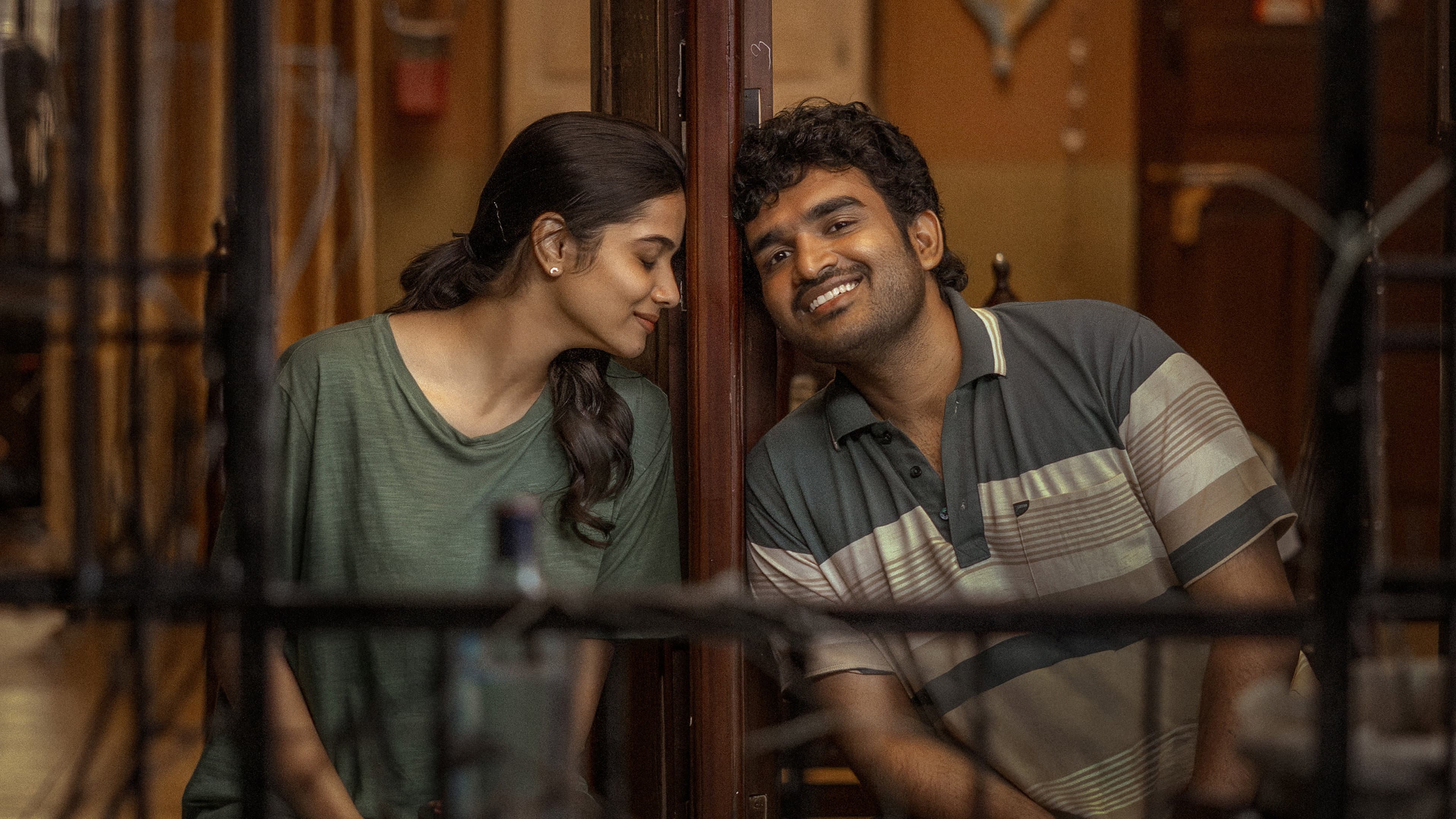
Opposite him, Sri Gouri Priya Reddy is a revelation. As Nivi, she is the catalyst, the storm, and, at times, the calm. The script wisely steers clear of making her a manic pixie dream girl. She has her own anxieties, her own walls. The initial attraction between them is captured with a tender, almost voyeuristic realism - those early exchanges where every glance feels weighted, every accidental touch feels electric. Namburii lets the camera linger, allowing the silence to speak volumes about the delicate nature of their budding romance.
What sets Chennai Love Story apart from the typical Tollywood romantic drama is its willingness to sit in discomfort. The film’s middle act, in particular, is a masterclass in building quiet tension. The obstacles they face aren't villains or dramatic family feuds, at least not in the loud, theatrical sense. Devi Prasad, playing Nivi’s father, brings a subtle, simmering disapproval that feels more real than a thousand shouted dialogues. The interference is more about the pressure of expectation and the slow erosion of trust that comes from petty misunderstandings.
Namburii’s supporting cast adds the necessary texture to this emotional landscape. Thrigun as Ajay doesn't just serve as a plot device; he provides a counterpoint to Steven’s earnestness, representing a more pragmatic, cynical view of love that feels true to today’s generation. Sirisha Hanumanth, Naveen Neni, and Pooja Dabbiru as Nivi’s friends are not just background noise. They are the Greek chorus of the modern age, offering advice that is both supportive and hilariously misguided, highlighting how external opinions often complicate internal feelings. Pramodini Pammi, as Nivi’s mother, adds a layer of maternal warmth that occasionally cuts deep with its inadvertent criticism.
The 184-minute runtime is a bold choice. In an era of streamlined stories, Namburii asks for patience. It’s a double-edged sword. At times, the pacing drags, particularly in sequences that rehash the same miscommunication beat. They could have easily trimmed twenty minutes. But that lengthy runtime also allows for the film’s greatest strength: immersion. You spend so much time with these characters that their pain becomes viscerally moving. You’re not just watching them navigate their first experience of love; you’re feeling the suffocating weight of it with them.
Visually, the team has done a commendable job of painting Chennai not as a tourist postcard, but as a bustling, organic backdrop that mirrors the chaos of the characters’ hearts. The cinematography captures the humid intimacy of the city, making the environment feel like a silent participant in their drama.
However, the film is not without its flaws. The TMDb rating of 5.9/10 feels harsh but is understandable. For every moment of raw, heart-wrenching drama, there are stretches of repetitive emotional loops. The dialogue, while natural, occasionally meanders into self-help territory, explaining feelings rather than trusting the actors to convey them. For a film so dedicated to showing the delicate nature of romance, it talks a little too much at times, underestimating the audience’s intelligence to read between the lines.
Yet, as a feature in Telugu cinema, it’s a significant swing. It refuses to pander to the masses with mass masala elements. It respects the genre of romance enough to treat it as a serious study of human psychology rather than a vehicle for songs and montages. Chennai Love Story is a mature, if imperfect, examination of the first time you give your heart to someone else. It’s for those who understand that love isn’t just about the high of the first kiss, but also about the low of the first fight. It won’t be everyone’s cup of tea, but for those who lean in, the bitter taste of its truth lingers long after the screen goes dark. For Telugu Movie Buzz, it’s a must-watch for the performances alone, a film that stays with you, uncomfortable as that may be.