Mantripragada directs with patience, and patience is both his strength and his undoing. Early scenes are built from small textures - a half-packed suitcase, a phone left face-down, the specific unease of a home that feels rearranged. He resists jumping to shock tactics, letting suspicion accumulate like dust. There's a sequence in the second act involving a visit to a former employer that ranks among the most nerved scenes in recent Telugu cinema, precisely because nothing overtly violent happens; the threat lives entirely in what might be said next.
Where the film wobbles is its midsection. A procedural stretch involving the investigation slows to a crawl, recycling the same beats of doubt without advancing the plot or deepening the characters. Characters arrive with suspicious timing and thin motivations, functioning more as plot devices than people. The dialogues by and large do what they need to, though a few exchanges state themes so bluntly that the subtext collapses into text.
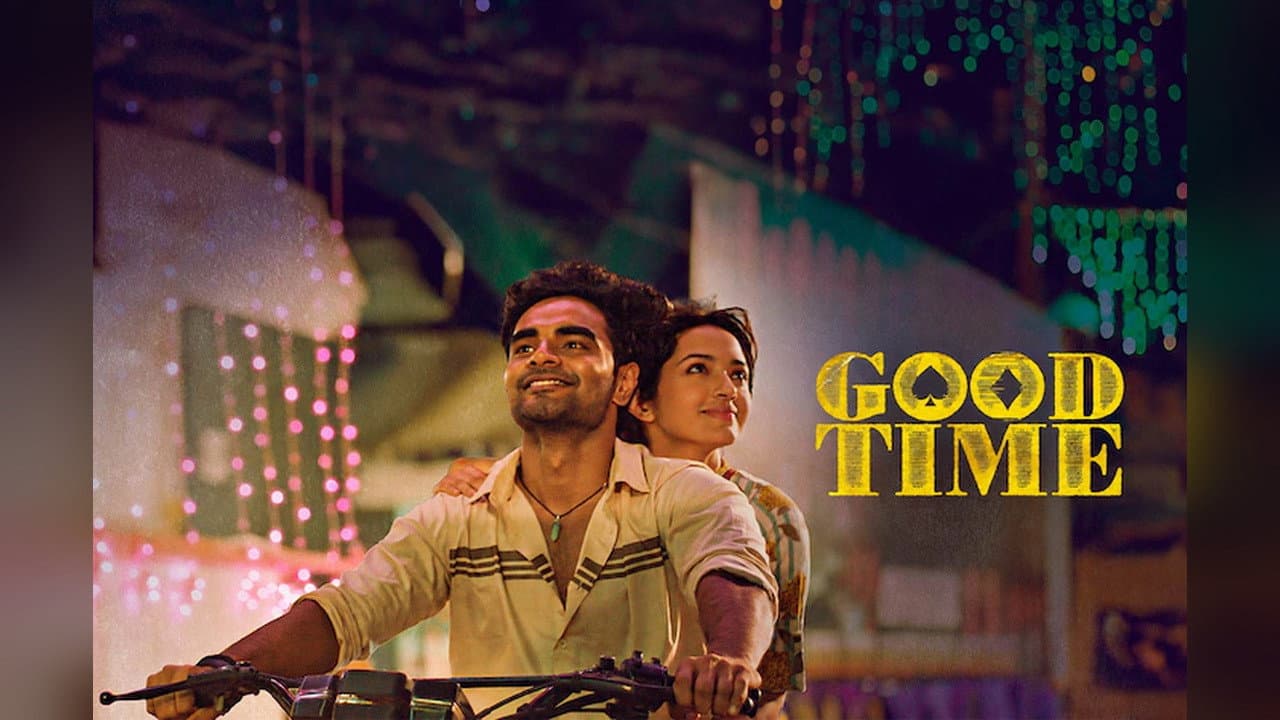
The performances hold the thing together. Varun Sandesh sheds his rom-com polish and plays the anxious husband with a raw, restless energy, and the film wisely keeps the camera on his face during silence. Shweta Basu Prasad, working largely in fragments and flashbacks, makes the missing woman feel vivid and contradictory - warm in one memory, withholding in the next. It's an intelligent performance that makes the mystery personal rather than merely mechanical.
The technical package is competent without being distinctive. The score leans on drones and pulses that occasionally over-explain the mood, and the cinematography favours tight frames and muted tones that suit the material. The climax, however, is where the film loses its nerve: after an hour of ambiguity, it delivers explanations that feel tidier than the questions deserved, and a final reveal that will divide audiences - some moved, some unconvinced.