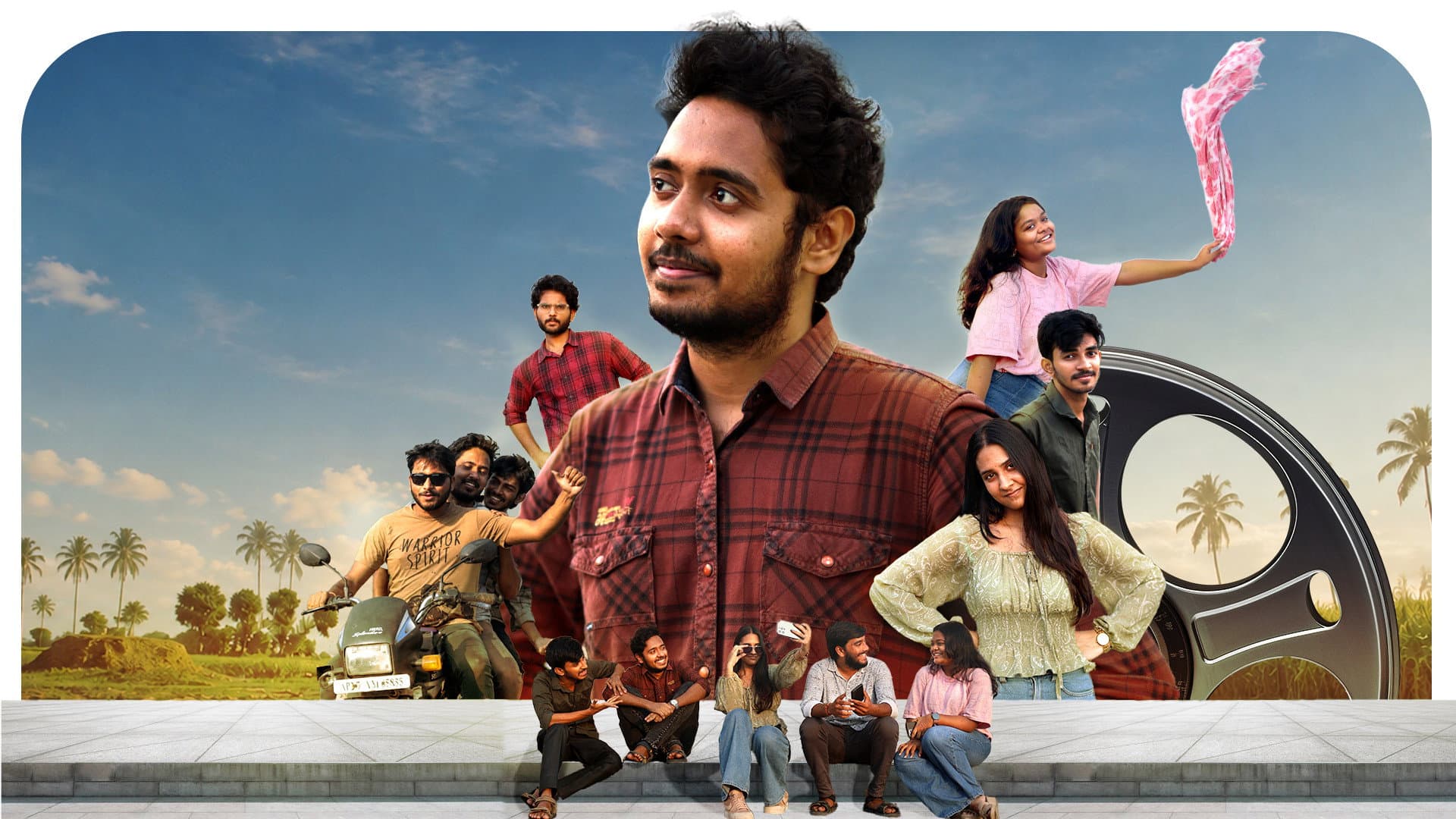
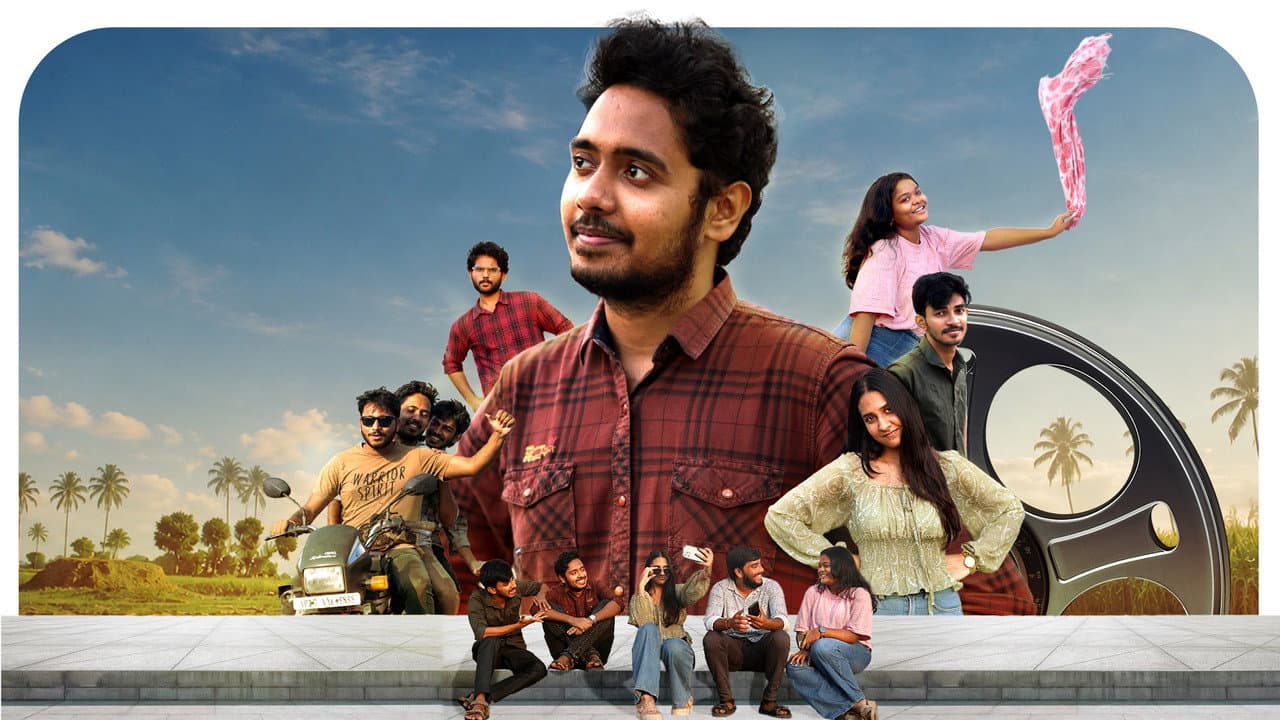
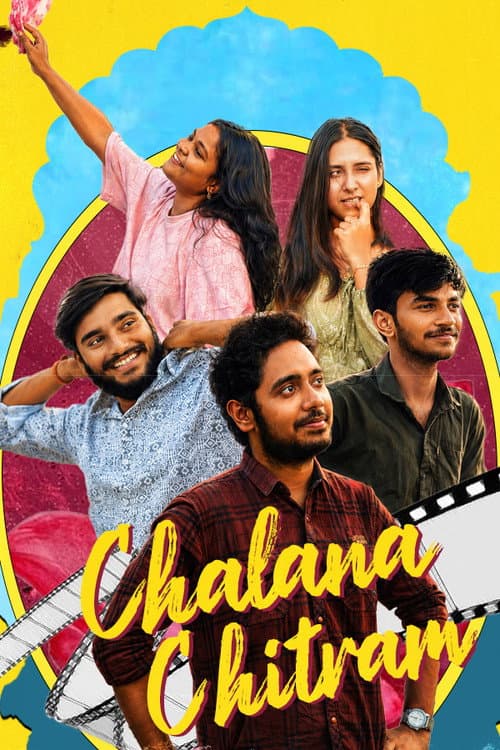
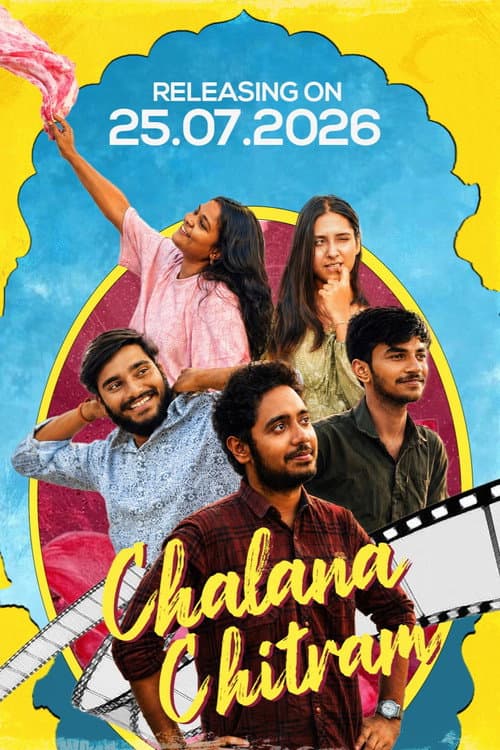
There is a particular kind of magic in a story that refuses to stay on paper. It is the magic that keeps a student awake in a cramped hostel room, sketching storyboards on the back of an engineering assignment. That is the beating heart of Chalana Chitram, a 33-minute Telugu film that has quietly become one of the most talked-about releases of the year since it arrived on July 25, 2026.
Directed by Tony Theodus Talakala, Chalana Chitram is not a film about filmmaking in the glossy, behind-the-scenes sense. It is a film about the impossible gap between wanting to create something and actually getting it done. And for anyone who has ever nursed a dream through years of "almost," it lands like a familiar hand on the shoulder.
The premise is disarmingly simple. A final-year engineering student has harbored one ambition since his very first year on campus: to become a filmmaker. Before graduation closes the door on his student years, he decides he will make his debut short film. Not someday. Now. What follows is less a triumphant creative montage and more a slow, grinding collision with reality. Failed attempts pile up. Opportunities slip through his fingers. Years of setbacks have already taught him that passion alone does not pay for equipment, feed a crew, or bend schedules to your will.
Yet the film finds its momentum when he finally assembles a team willing to take the leap with him. What unfolds is a comedy of errors as much as it is a drama of endurance. Umesh Chandra anchors the film as Siddu, the dreamer at its center, carrying the weight of every abandoned attempt on his shoulders. Around him, Karthik Kumar steps in as DP, Shashank plays Anish, and Asritha brings Sameera to life. Sridevi appears as Esha, with Bhuvan as Shankar, Sumanth Atluri as Vijju, and Tejaswini rounding out the ensemble as a character sharing her own name. It is an ensemble built for friction - the kind of group that argues over shots, laughs through disasters, and somehow keeps showing up the next morning.
What makes Chalana Chitram resonate beyond its festival-of-youth-filmmaking trappings is its refusal to treat the finished product as the point. The overview puts it plainly: the journey of making the film becomes the real story. Every obstacle - technical, emotional, logistical - tests not just the protagonist's passion but the friendships that form around the camera. It is a thesis the film wears with conviction, arguing that dreams are achieved through perseverance rather than perfection. In an industry culture obsessed with openings, collections, and polish, that is a surprisingly tender proposition.
Talakala, working in his native Telugu within the Tollywood ecosystem, keeps the runtime tight at 33 minutes - enough to let the chaos breathe without overstaying its welcome. The choice to blend drama with comedy feels deliberate rather than tonal drift; filmmaking chaos, after all, is rarely tragic for long. Equipment fails. Egos flare. Someone forgets the memory card. The film understands that these moments are funny precisely because they hurt.
It helps that the cast commits to the material's grounded register rather than reaching for melodrama. Chandra's Siddu reads as a young man who has been disappointed enough times to be cautious, but not enough times to quit. That balance is the film's emotional engine. Kumar, Shashank, Asritha, Sridevi, Bhuvan, Atluri, and Tejaswini fill out a world that feels lived-in - a friend group forged in late-night shoots and shared disappointment rather than screenwriter convenience.
Chalana Chitram arrives with a modest footprint: no theatrical spectacle, no marketing blitz, and a TMDb rating still sitting at 0/10 simply because too few viewers have logged it yet. But that blank slate feels oddly fitting for a film whose entire thesis is that the numbers are not the point. What matters is that someone, somewhere, finally said "action" after years of saying "next time."
For a generation of Telugu film lovers who grew up watching YouTube shorts turn into careers, Chalana Chitram offers something rarer than inspiration: recognition. It acknowledges that most dreams do not arrive fully formed. They arrive late, underfunded, surrounded by friends who probably should have gone home hours ago. And they arrive anyway.
Whether it finds a wide audience or remains a small, beloved discovery, Talakala's film has already accomplished what its hero spends 33 minutes chasing. It exists. Sometimes, that is the whole victory.