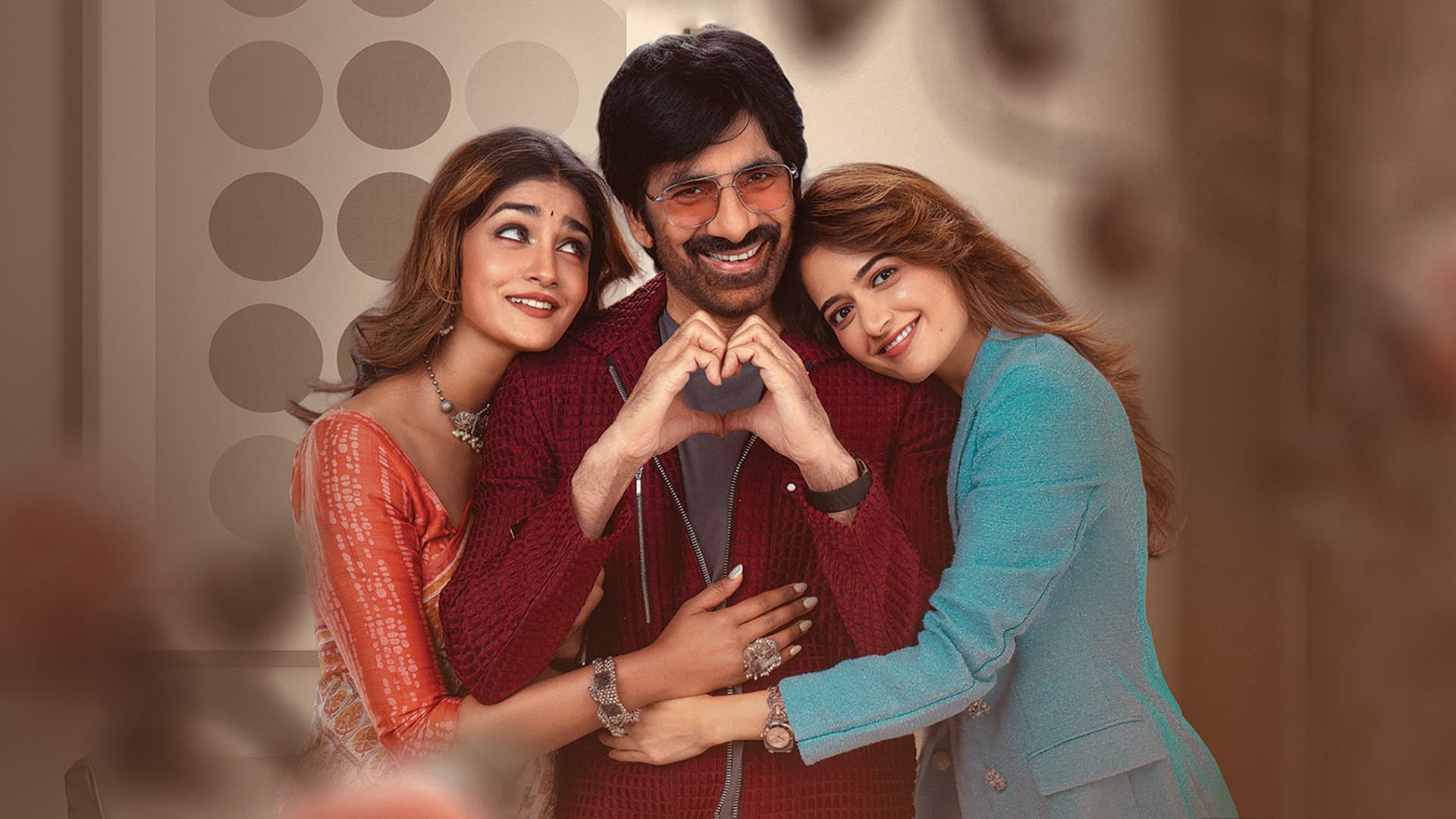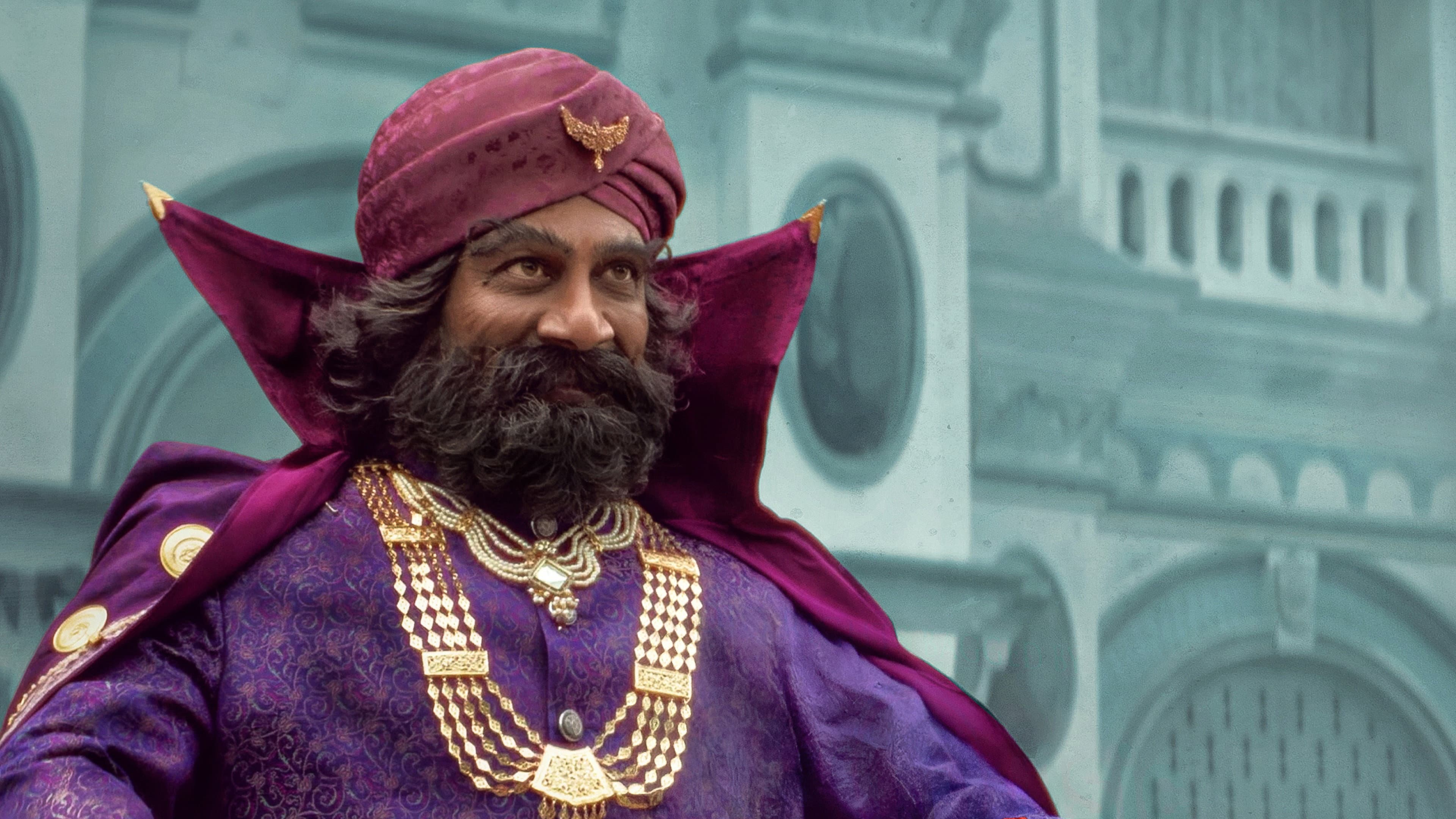
Six months after its release, the roar around Ustaad Bhagat Singh has not entirely faded from Tollywood conversations. Harish Shankar's mass action drama, which hit screens on March 18, 2026, arrived with the kind of anticipation that only a Pawan Kalyan starrer can generate. What audiences found was a film that wears its heart on its sleeve - a story about a tribal boy, a teacher's wisdom, and a name that becomes a lifelong moral compass.
The premise itself is disarmingly simple. A young boy from a tribal community is shaped by the values of his teacher, the man who gives him the name Bhagat Singh. That single act - bestowing the name of a revolutionary upon a child of the forest - becomes the seed from which the entire narrative grows. The boy grows up deeply rooted in strong morals, and those morals are not decorative. They guide his actions throughout his life, through every confrontation and every choice. When injustice rears its head, he stands firm. When powerful evil forces gather against him, he takes them on, even when the odds are overwhelming.
Pawan Kalyan anchors the film as the adult Bhagat Singh, and the role draws on the star's familiar screen persona - the quiet intensity, the moral certainty, the willingness to stand alone. It is a performance built around conviction rather than flourish, and it sits comfortably within the actor's long association with righteous-underdog roles. Sreeleela appears as RJ Leela, bringing a contemporary energy to the proceedings, while Raashii Khanna plays Shloka. The supporting cast carries considerable weight: R. Parthiban as Nalla Nagappa, Nawab Shah as Ajmal Rahim, Avinash as Miya Bhai, alongside Gautami Tadimalla and Narra Srinu. Across 151 minutes, the film moves through action, comedy, and drama - a genre blend that Harish Shankar has long specialised in, and one he leans into here with characteristic enthusiasm.
What gives Ustaad Bhagat Singh its distinct flavour is the way it folds a Gandhian-adjacent moral framework into the grammar of a commercial entertainer. The teacher's lessons are not abstract sermonising; they are planted early and paid off later, becoming the logic behind the protagonist's choices. Naming the boy after Bhagat Singh is no throwaway gesture. It frames the entire film as an examination of what it means to carry a legacy of resistance - to be named for courage and then asked to earn it. The antagonists, led by Nalla Nagappa and Ajmal Rahim, are constructed as the kind of entrenched, powerful forces that make such conviction costly.
The comedic register, largely carried by the RJ Leela track and the supporting ensemble, gives the heavier passages room to breathe. Harish Shankar's filmography has always understood that mass audiences want their righteousness served with a side of humour and spectacle, and the film's three-genre blend reflects that understanding. It is a package designed for the big screen and the front rows.
Reception has been mixed. TMDb currently records a rating of 6 out of 10 - a figure that suggests audiences found plenty to admire but were not unanimous in their enthusiasm. Such numbers rarely tell the whole story with star-driven mass films, which tend to inspire passionate responses at both ends of the spectrum. What the rating does confirm is that Ustaad Bhagat Singh landed as a conversation starter rather than a consensus triumph.
Six months on, the film remains an interesting entry in the career of both its director and its leading man. Harish Shankar's interest in moral fables dressed as mass entertainers finds one of its clearer expressions here, and Pawan Kalyan's presence lends the central character the weight the concept demands. The film's central idea - that a name given in faith can become a life's assignment - is the sort of theme that lingers after the credits roll. Whether audiences embraced every beat of its execution is a matter of debate, but the ambition behind Ustaad Bhagat Singh is not in question. It is a film that believes in something, and in an industry where spectacle often outranks conviction, that counts for something.