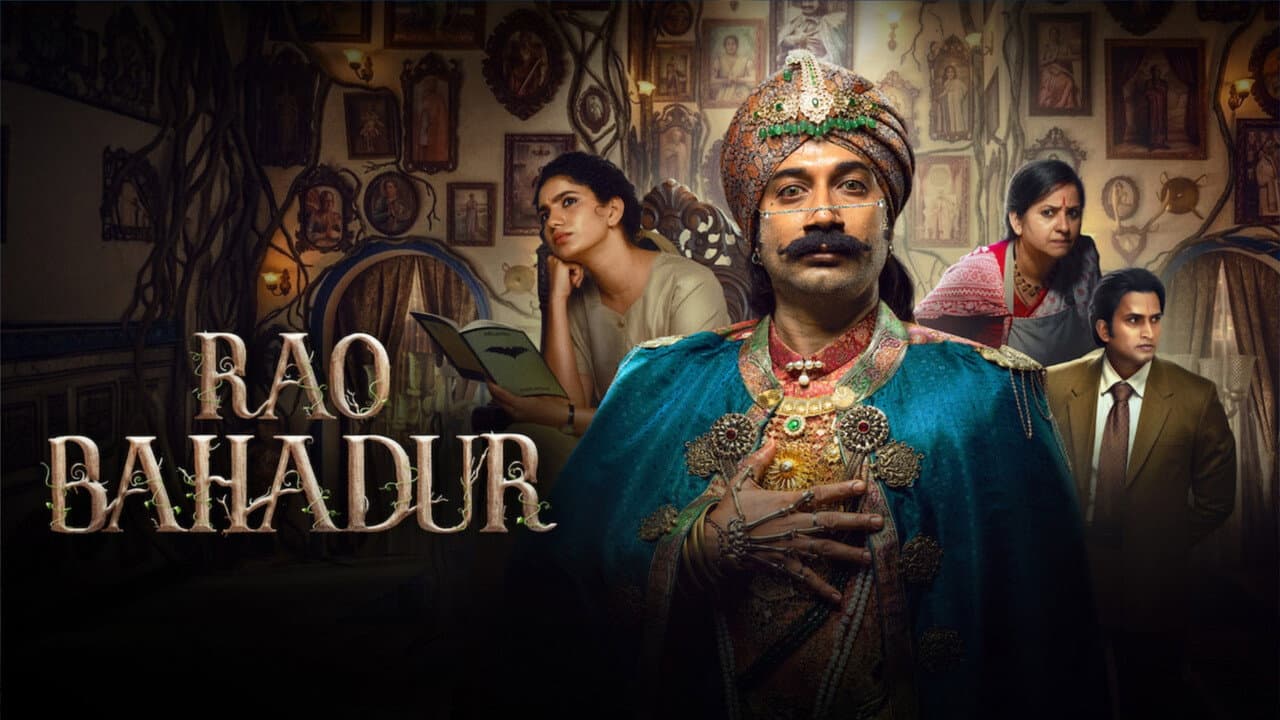

Three months after its July 2 release, Rao Bahadur refuses to leave the conversation. Venkatesh Maha's 169-minute fantasy drama arrived quietly in the summer rush, but word of mouth - the slow, stubborn kind that Tollywood knows how to generate - has kept it alive on streaming and in drawing-room debates across the Telugu states. With a TMDb rating of 6.4, it is neither a runaway blockbuster nor an easy film to dismiss, which is perhaps exactly what its director intended.
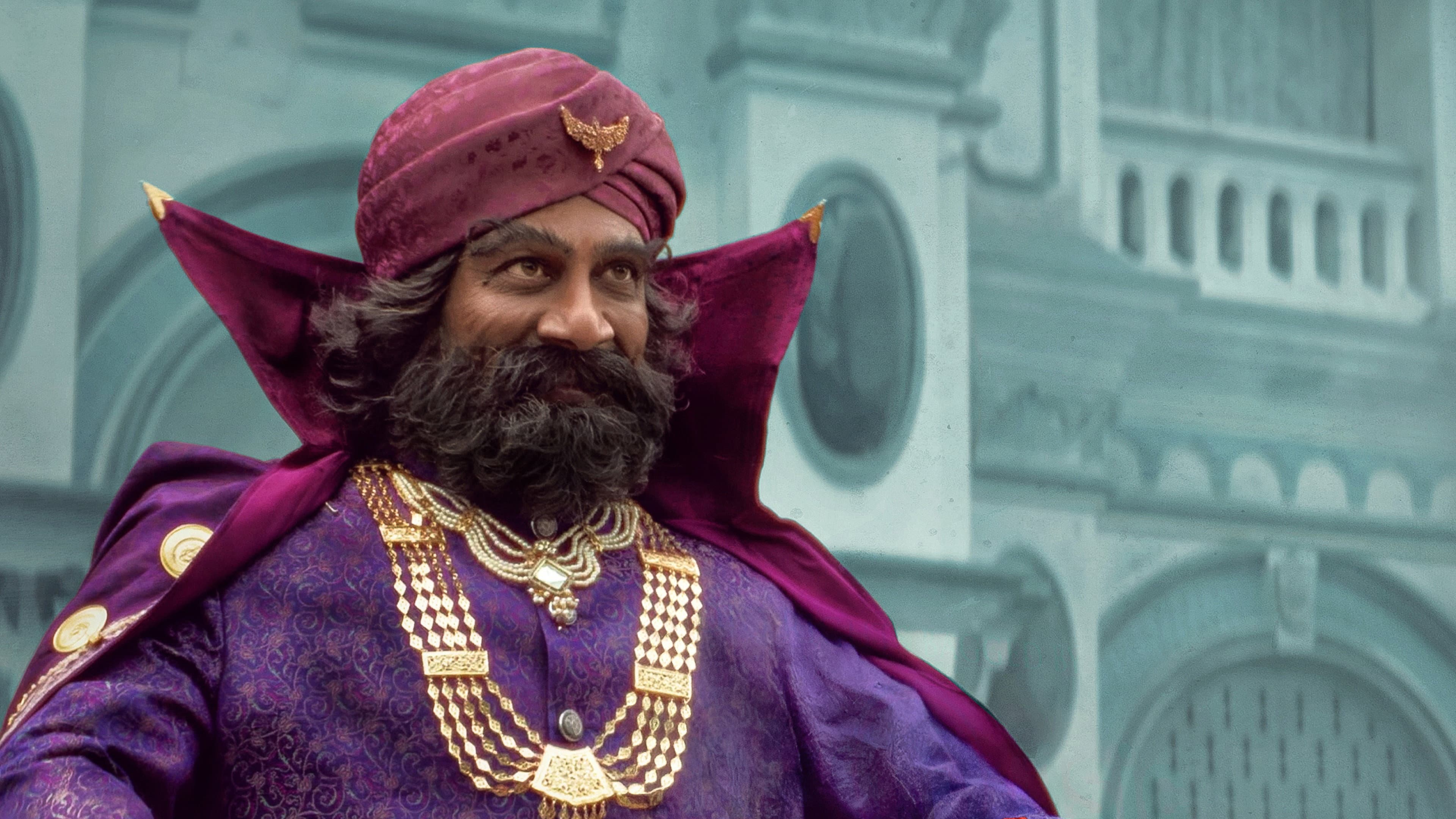
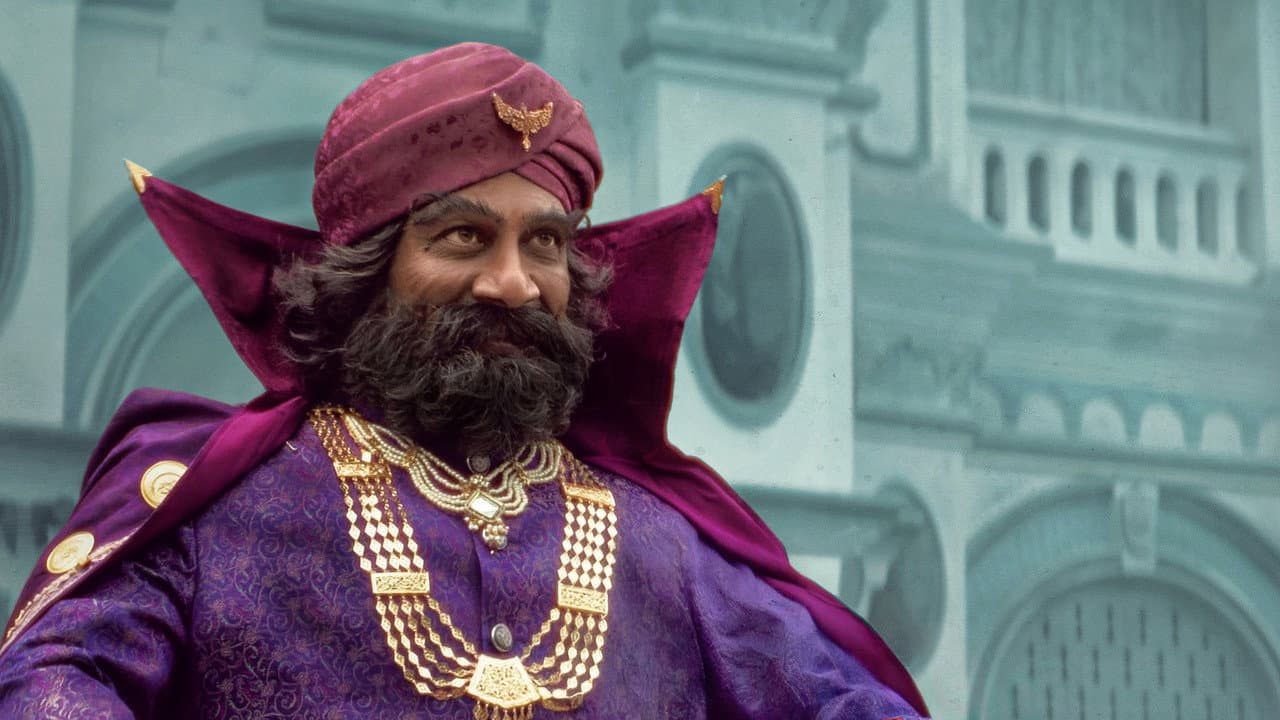
At its core, the film is a study of a man consumed by guilt. Satyadev Kancharana plays Bhuvanam Ramappa Rao Bahadur - "Ramudu" to those close to him - an eccentric aristocrat who withdraws into his ancestral manor after a traumatic sequence of events. Inside those fading walls, he begins to construct an alternate world, a private cosmos in which memory, desire and dread intermingle until the line between reality and imagination is no longer visible. Maha, working from his own screenplay, keeps the audience as unmoored as his protagonist.
What anchors the film is its ensemble. Vikas Muppala's Dr. Narayanachari - "Achari" - serves as the story's rational counterweight, the outsider who steps into Ramudu's domain and finds the ground shifting beneath him. Deepa Thomas brings a quiet, steady presence as Renuka, while Bala Parasar's Achchamma and Anand's Jagannadhan fill out the manor's strange ecosystem. The film's most affecting choices, though, lie in its younger performers. Master Kiran appears as Bhuvanam "Kusuma" Kusumappa and Pranay Vaka as Bhuvanam "Lavana" Lavanappa, with Venkat Showrya playing the child version of Lavana. These characters - named, intriguingly, for flowers - become the emotional nerve endings of a story that otherwise lives inside its protagonist's head.
The premise invites comparisons, and the film has drawn them: a wealthy recluse, a decaying house, a world that may or may not exist beyond his imagining. But Rao Bahadur is not content to be a chamber piece. Maha uses the manor as a stage for a broader meditation on legacy and the stories families tell themselves. The title itself is an honorific, a remnant of a feudal order that has outlived its usefulness but still shapes how people see themselves. "You can take the man out of the past," one character observes early on, "but the past doesn't return the favour." The line lands because the film keeps circling it.
Genre-blurring is Maha's signature strength here. Rao Bahadur drifts between fantasy, drama and thriller without announcing its shifts, and the tonal control required to pull that off is significant. The film's horror-adjacent passages - houses that seem to breathe, a child who says things no child should know - are more atmospheric than shocking, closer to the psychological unease of gothic fiction than the jump-scare grammar of mainstream horror. When the drama takes over, it is in the slow unearthing of a family's buried truths; when the thriller element surfaces, it emerges from the paranoid logic of a mind that has lost its bearings. That genre fluidity has divided viewers. Some have found the 169-minute runtime indulgent, others say it is the only length that could contain this story properly. The film does ask patience, especially in its second hour, when the manor's geography starts repeating itself.
Satyadev's performance has been the film's most discussed element since release. Known largely for intense, grounded roles, he plays Ramudu with a theatricality that borders on unsettling - grand gestures followed by moments of startling fragility. The performance is designed to keep the audience uncertain about whether they are watching a grieving man or a man in freefall, and Satyadev does not tip his hand. Muppala's Achari matches him with a performance of mounting bewilderment, and the scenes between the two have an intimacy that carries the film through its more elliptical stretches. The supporting cast, particularly the children, ground the fantasy in something recognisably human.
Three months on, the discussions around Rao Bahadur tend to centre on what it is about rather than what it does. Is it a ghost story without a ghost? A portrait of a dying class? A film about storytelling itself? Maha, characteristically, has let the work speak. What is clear is that the director has followed his own instincts rather than industry templates, and that Satyadev has taken a risk that pays off in moments of genuine strangeness.
For Tollywood, that is worth noting. The industry produces spectacle at an extraordinary scale, but a film like Rao Bahadur - moody, literary, unafraid of its own length - creates a different kind of space. It will not be for everyone. It does not try to be. But in a year crowded with familiar shapes, Maha's manor has proved one of the more memorable places to get lost in, even if leaving it takes a while.