Watch the opening titles of any Telugu film and a name appears before the cast, before the director, sometimes before the title itself. That name is the banner. For audiences raised on Tollywood it carries as much meaning as any actor's face. For readers who follow Telugu cinema from abroad, though, the banner is often just a logo that flashes past. Understanding what it actually does opens up how the industry works, because The Studios And Banners Behind Telugu Cinema are not branding exercises. They are the machinery that gets films financed, made and sold.
 Photo: TMDb
What a Telugu Film Banner Actually Does
A banner in Telugu cinema is not simply a company name that appears in a film's opening titles. It is the producing house: the entity that raises the money, acquires or commissions a script, attaches a director and cast, and then sells the finished film onward. That last function is the one outside observers miss. It is also where a large share of a modern film's money is recovered.
Financing comes first. A banner either funds a film from its own reserves or brings in partners, distributors and private investors against the film's projected value. The banner holds the rights in return for that risk, then carves them up and sells them separately.
Theatrical rights are sold area by area. A Telugu release is not one deal but many. Separate distributors typically buy the right to exhibit the film in given territories, so a single title can be sold across the Telugu states and beyond in a series of independent transactions. Each distributor then recovers its investment from ticket sales in its own territory.
Digital and satellite rights are sold as their own contracts. Digital rights cover a film's appearance on an internet platform; satellite rights cover its television broadcast. Both are negotiated apart from the theatrical deals and, in the modern market, both are significant. This is why a banner's relationships with buyers matter as much as its relationships with directors.
Why the Banner, Not the Company, Is the Unit
The word banner carries a sense of continuity that "studio" or "production company" does not fully capture in this industry. A banner is a name and a reputation that pass down through a family or a partnership and are lent to each new project. Audiences, distributors and financiers read that name as a signal about the scale and seriousness of a film before a single frame is seen. The distinction matters. A company can be registered one day and dissolved the next. A banner is a promise that outlives any one balance sheet.
The Long-Lived Names
Telugu production is organised around banners with long identities rather than around one-off companies. A handful of names have shaped the industry across generations.
Annapurna Studios was founded by Akkineni Nageswara Rao, one of the defining actors of Telugu cinema, and the banner carries his family's continuing association with filmmaking.
Suresh Productions was founded by D. Ramanaidu, a producer whose filmography spanned an extraordinary range of languages and whose family remains central to the industry.
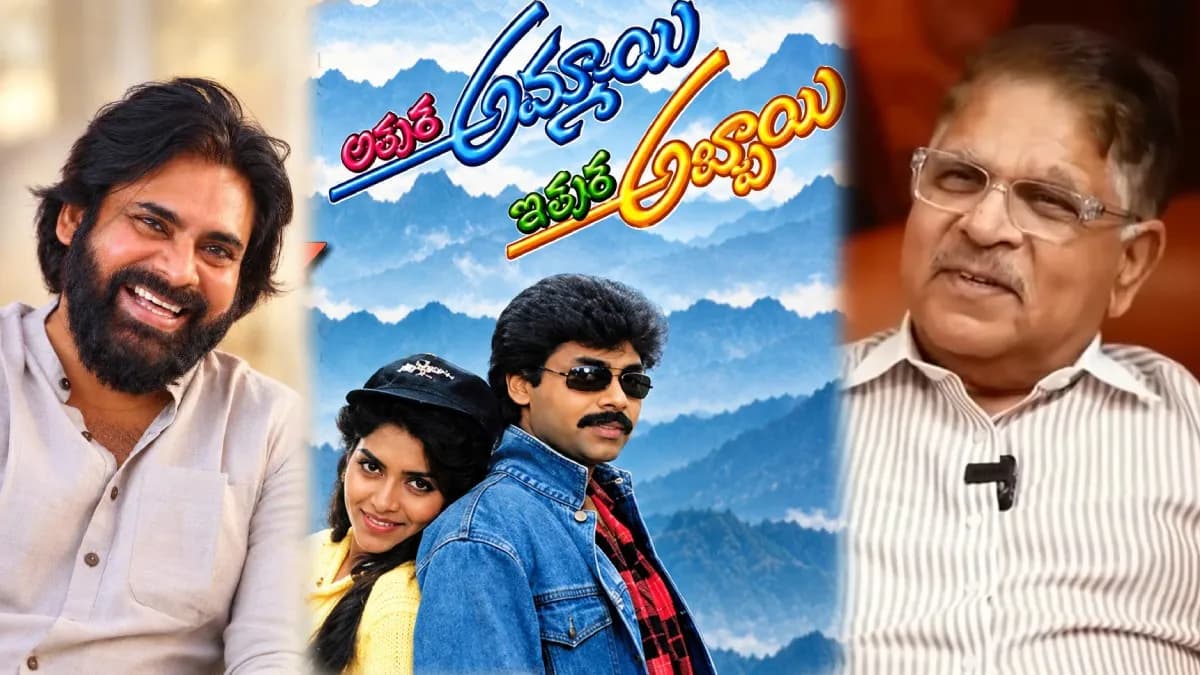
Geetha Arts comes from the family line of Allu Aravind, a producer whose banner has backed films across several eras of Telugu cinema.
Mythri Movie Makers and Sithara Entertainments represent the newer cohort: banners that have built their identities in the present market, where digital and satellite deals carry real weight alongside theatrical distribution.
These are not the only banners in Telugu cinema, but they illustrate the pattern. Each is a long-running identity rather than a single film's vehicle.
What Continuity Buys
A banner with a long history can offer a director, a writer or a lead actor something a new company cannot: a track record with distributors and buyers. That track record is what allows a film to be financed before it is made and sold before it is released. Research on India's screen industry, including the work of bodies such as the Film Federation of India, has long noted how distribution networks and territory-level deals underpin commercial filmmaking across the country's language industries. Telugu cinema is among the clearest examples.
How the Structure Shapes What Gets Made
The banner system explains a great deal about Telugu cinema's output. A banner must sell a film to distributors area by area and to digital and satellite buyers separately, so it has to think about a film's commercial reach from the very beginning. That shapes which scripts get commissioned, which directors get hired, and how large a budget a project can carry.