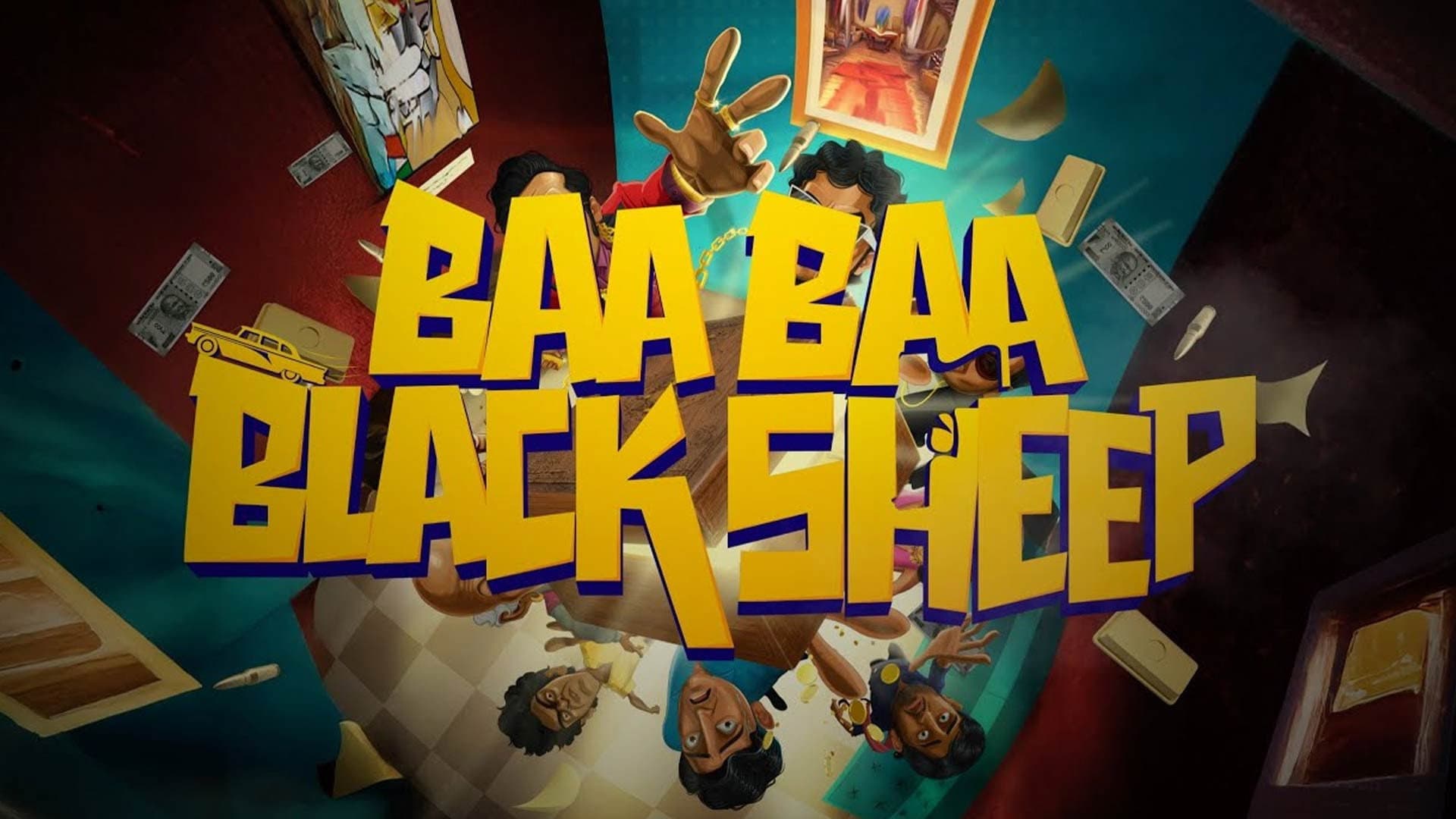
Six strangers, one misplaced object, and a single day in which everything that can go wrong does so in the most entertaining way possible. That is the deceptively simple engine powering Baa Baa Black Sheep, the Telugu comedy-crime caper that arrived in theatres on October 9 and has spent its first week charming audiences with its blend of slapstick and serendipity. Directed by Guni Manchikanti, the film runs 135 minutes and unfolds in what feels like real time, tracking a chain reaction set off by a trivial error and rippling outward through lives that had no business intersecting.
The premise is the kind that screenwriters dream of and directors dread: a structure that lives or dies on precision. A misplaced object changes hands, and with each new owner comes a fresh set of small mistakes, comic misunderstandings, and awkward encounters. What begins as a minor inconvenience snowballs into a day-long chaos that none of the six central characters could have anticipated. Manchikanti, working with an ensemble cast, keeps the plates spinning with an eye for the absurd and an ear for the rhythm of everyday Telugu conversation.
The ensemble is led by Vishnu Oi and Akshay Lagusani, with Samriddhi Aryal, Malvi Malhotra, Karthikeya Dev, and Vismaya Sri rounding out the core six. The casting is one of the film's quiet pleasures. Rather than leaning on a single marquee name to carry the load, the film distributes its comic weight across performers who each get a distinct register. Oi, known for his ability to play frazzled everyman types with impeccable timing, anchors the early confusion, while Lagusani brings a looser, more physical energy to the proceedings. Aryal and Malhotra make the most of roles that could have been thankless in a lesser script, finding moments of genuine warmth amid the escalating mayhem. Dev and Vismaya Sri complete the circle, and the film's final act depends on their chemistry landing, which it does.
There is also the pleasure of seeing veterans Tinnu Anand and Upendra Limaye in the mix. Anand, a familiar face to anyone who has followed Hindi cinema for the past four decades, brings a wry, lived-in quality to his scenes, while Limaye's presence adds a layer of comic menace that keeps the stakes from feeling entirely weightless. Their scenes with the younger cast have a generational friction that the film wisely underplays rather than milks.
The comedy-crime label is apt. This is not a film that treats its criminal elements with any real seriousness, nor should it. The genre here is a delivery system for farce, and the crime framework supplies the necessary urgency, the ticking clock that keeps six separate storylines converging. What distinguishes Baa Baa Black Sheep from the average multi-strand comedy is its restraint. Manchikanti does not race to the next gag; he lets scenes breathe, lets silences do work, and trusts that the audience will find the humor in awkwardness rather than in punchlines. The result is a film that feels less like a series of sketches and more like a day you happen to spend in the company of people you would not otherwise meet.
What the film is really after, beneath the mistaken identities and escalating complications, is connection. Every character in the ensemble is, in some small way, stuck. The misplaced object does not just cause inconvenience; it forces collisions, and those collisions force conversations these people would never have had otherwise. That is the film's gentle thesis: that a small disruption can open a door a person did not know was closed. It is a familiar idea, but handled with enough sincerity that it avoids feeling sentimental.
Telugu cinema has produced plenty of ensemble comedies in recent years, but few have been this committed to the logic of their own premise. Baa Baa Black Sheep is not trying to reinvent the genre. It is trying to execute it well, and on that count, it largely succeeds. For audiences who enjoy watching an intricate plan come together on screen, and ordinary people come apart in the funniest way possible, the film offers a pleasant way to spend two hours and fifteen minutes. It is in theatres now.