Telugu cinema has always been a cinema of the impossible. Gods descend to earth. Heroes cross oceans in a stride. Palaces rise out of nothing. Long before any of this could be typed into a computer, crews in Madras and later Hyderabad were finding ways to put wonders in front of the camera. Visual Effects In Telugu Cinema: From Mayabazar To Now is a story about patience as much as technology, and about a habit of ambition that outlasted every tool used to serve it.
The Craft Before Computers: Trickery Inside the Frame
Effects work in Telugu cinema did not begin with software. It began with the camera, the set and the patience of the crew. The vocabulary of that era is worth learning, because the ideas never went away.
Matte work means painting or photographing part of a scene separately and joining it to the live action so the two read as one image. In the studio era this was often a sheet of glass painted in front of the lens, with the actors positioned behind it, or a painted board combined with the shot at a later stage. Forced perspective is simpler to picture. A small model or a distant object is placed so close to the camera that it appears life sized beside the actor. Miniatures and split screens follow the same logic. A temple, a palace or a storm is built at reduced scale, then lit and angled so it matches the live action exactly.
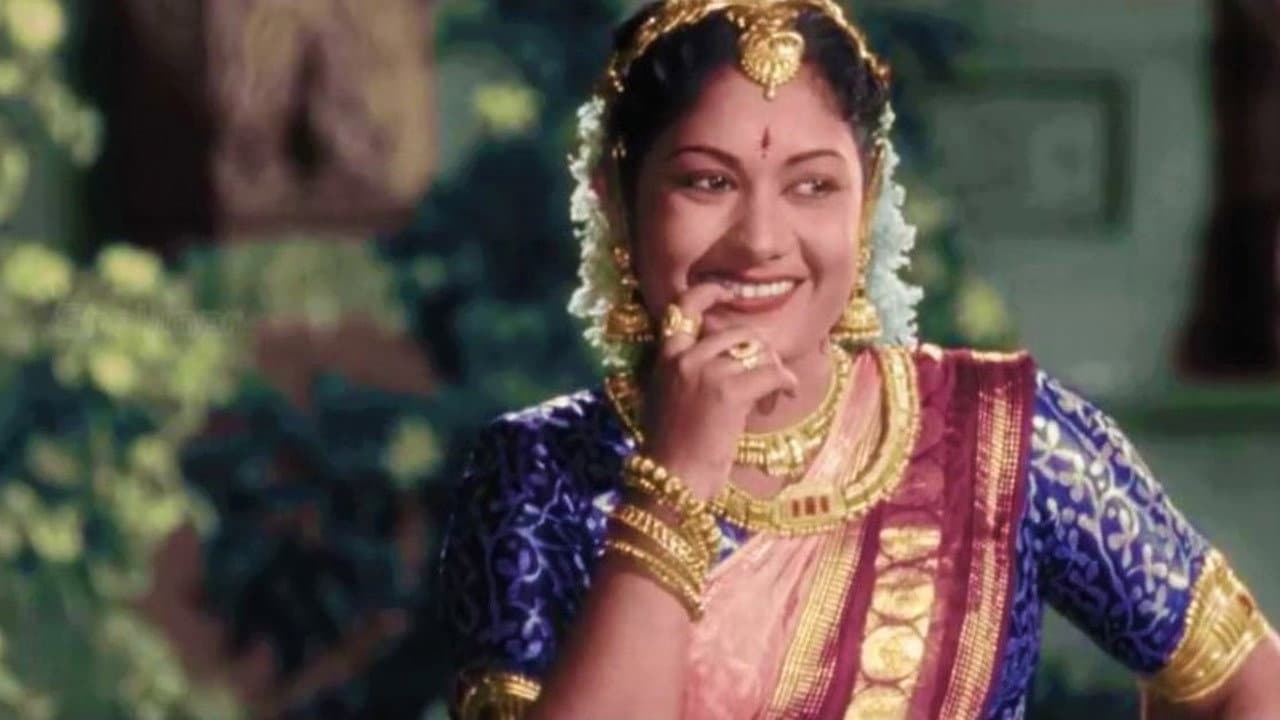
Mayabazar remains the anchor for this conversation. Directed by K. V. Reddy and featuring N. T. Rama Rao, S. V. Ranga Rao and Savitri, it is a landmark of the mythological era. Its reputed effects work is the reason it still gets cited whenever craft in Telugu cinema comes up. What matters for a reader today is not any single trick but the constraint that shaped all of them. The shot had to be finished on set. There was no later stage to fix it, so the planning happened in the moment, with the whole crew watching and waiting.
The Optical Years: Compositing Without a Hard Drive
The next shift moved the work off the set and into the laboratory. Optical printing meant rephotographing film through a rig so that two or more strips could be combined into a single frame. Rotoscoping meant tracing an actor's outline frame by frame so a new background or element could be dropped in behind them. It is the ancestor of every digital mask used today, and it was done by hand, one frame at a time.
Blue screen, a colour separation process, arrived with its own demands. Careful lighting was essential, and the result often carried a visible edge that audiences learned to tolerate. Every frame of a difficult shot passed through human hands. A single mistake meant the shot was redone from the beginning. Telugu filmmakers reached for these tools on mythologicals and fantasy subjects first, because those stories gave the effects a reason to exist in the frame rather than decorating it.
The technical history of these processes is documented by institutions such as the Academy of Motion Picture Arts and Sciences, which preserves the craft record of the pre digital era, and the British Film Institute maintains accessible explainers on how optical compositing worked in practice.
Digital Hyderabad: Previsualisation, Environments and Creatures
Today Hyderabad is home to a substantial visual effects industry, with studios serving Telugu productions alongside work from elsewhere in India. The structural change worth explaining is not the software. It is timing. Effects budgets and schedules are now drawn up before the shoot rather than assembled once the edit is locked. A shot is designed and approved before the camera rolls. Previsualisation, a rough animated version of the shot, tells the director and the effects team what the scene will look like. The unit then knows which plates it must capture on location and which the digital team will build.
The work itself falls into two large categories. Digital environments cover a city skyline, a historical setting or a landscape created entirely on a computer and matched to the live action. Creature and character work covers a digital animal, a deity or a transformed figure, built and animated over a long post production period. That schedule is measured in months, and the work continues well past the end of the shoot. Because the same pipeline travels between industries, a Telugu production may share vendors, software and artists with projects made in other languages, which has lifted what a mid range film can attempt.
The goal has not changed since Mayabazar: make the audience believe something impossible is standing right next to the actor. What changed is the toolkit and, more importantly, when the planning begins.