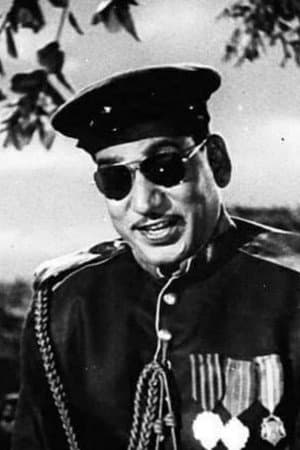
Telugu cinema has long treated comedy as a distinct, credited craft with its own specialist performers, rather than as a byproduct of the main plot. Relangi Venkata Ramaiah and Ramana Reddy anchored the early era, and the line runs from them to Brahmanandam, among the most prolific comic performers in world cinema by film count. That line is central to understanding From Relangi To Brahmanandam: Telugu Cinema's Comedy Tradition. The story is not a roll call of funny names. It is a set of working methods the industry took seriously.
For readers following Tollywood from outside the two states, one piece of vocabulary matters above all. The comedy track is a comic strand written and shot as its own unit, with its own characters and its own arc. It runs alongside the main story rather than growing out of it. Telugu cinema keeps this strand in its own lane, and the craft around it is what this tradition is really about.
The Comedy Track as a Parallel Structure
How the Track Is Written and Shot
The clearest way to see the tradition is to watch how a comic strand gets made. Producers budget it, schedule it and shoot it separately from the main narrative. Its performers are cast for it specifically. Directors shoot it in blocks. That is why comic sequences can be lifted out of a film intact and still hold up on their own.
That independence is not an accident. It is a production choice with consequences. Because the track lives in its own schedule, a comic stretch does not need to advance the plot to survive. It needs to work as comedy in isolation. A viewer who remembers a scene decades later is often remembering something shot weeks apart from the drama it eventually sat beside.
Why Three Hours Made Room for Two Movies
Telugu films are built long, and a long running time needs internal variety. Within a single family, the comic strand served different viewers than the emotional peaks did, giving the picture a wider audience than any one register could reach. It also offered a release valve. After a stretch of intensity in the main plot, the track let the room breathe.
The reasoning here is industrial rather than nostalgic. The track exists because of how the form is financed, scheduled and watched. Producers worked to a pattern, exhibitors counted on variety within a single ticket, and audiences arrived expecting a range of experience. Comedy was one of the components that made the length pay off.
 Photo: TMDb
Two Performers, Two Registers
Relangi and Ramana Reddy show the range inside the parallel arrangement. Relangi's comedy sits in the voice and the timing, an instrument played close to the listener. Ramana Reddy's sits in the persona and the delivery, the humor arriving through the character's whole presence.
Both worked inside the parallel track rather than at the centre of the plot, and both are remembered as specialists in a craft the industry credited as such. That credit matters. It confirms that the comedy track was a job with its own discipline, not a detour someone squeezed in between serious scenes.
Comedy Moves Into the Lead Role
In modern Telugu films, comedy has increasingly folded back into the lead role. The hero carries the humour, the separate track thins out or disappears, and the comic performer's function changes with it. The center of comic gravity shifts from a specialist slot to the protagonist's own performance.
Brahmanandam bridges the two arrangements. His body of work belongs to the era when the specialist track was at its fullest, and it remains the reference point against which the newer arrangement is measured. For background on the wider development of the form, the National Film Development Corporation and the Film and Television Institute of India both offer resources on Indian film production history.
The Working Methods, Not the Names
From Relangi To Brahmanandam: Telugu Cinema's Comedy Tradition is often told as a list of performers, and the performers deserve the affection. But the tradition is really a set of working methods, and those methods are what changed.
The early arrangement built comedy into a parallel structure with its own schedule, budget and cast. The later arrangement drew that energy inward toward the lead, leaving fewer separate tracks and more comic weight on the hero. The names shifted, but the craft kept adapting: writers, directors and performers recalibrating where the laugh sits inside a Telugu film. That recalibration, tracked across decades, is the tradition, still moving.