Advertisement
160×600
Left Ad
Advertisement

Salaar: Part 1 - Ceasefire Review: A Violent Epic
Blood-soaked action and fierce loyalty define Prabhas' 'Salaar: Part 1 - Ceasefire.' Read our full review of this epic, brutal gangster saga.
Director
Prashanth Neel
Language
TE
Release
2023-12-21
Runtime
175 min
Quick Verdict
Three years after its theatrical release, “Salaar: Part 1 - Ceasefire” remains a towering, divisive monument in Telugu cinema. Director Prashanth Neel delivers a brutal, operatic saga of blood loyalty and political machination set in the dystopian city-state of Khansaar. It is not the straightforward mass hero vehicle many expected. Instead, it is a dense, slow-burn world-building exercise that prioritizes atmosphere and mythology over conventional narrative momentum. For those willing to invest in its deliberately paced plot and grimly stylized violence, the payoff is immense. For others, the 175-minute runtime and cliffhanger ending will feel like a test of endurance. A flawed but undeniably ambitious epic.
Story
The film opens with a framing device: a young woman, Aadya (Shruti Haasan), arrives in the lawless frontier town of Tinshuki looking for a man named Deva (Prabhas). Through her eyes, we flashback to an older, more intimate story. Deva, a seemingly quiet tribal worker, harbors a violent past forged in childhood. Years earlier, as a boy, he befriended Varadha (Prithviraj Sukumaran), the prince of Khansaar-a violent, corporate-feudal city-state ruled by a council of ministers and ailing king Raja Mannar (Jagapati Babu).
Their bond is one of absolute loyalty: Deva swears to protect Varadha, and Varadha swears to never become king. The childhood pact holds until Raja Mannar’s sudden illness catalyzes a coup. Varadha’s treacherous uncles and ministers, led by the cunning Bhaarava (Bobby Simha), attempt to seize power. Varadha, a reluctant heir, is forced to break his vow. He travels to Tinshuki to summon his old friend. Deva, who has buried his violent instincts, must decide whether to honor a childhood promise that could plunge Khansaar into a bloody war for the throne. The film ends with Deva finally arriving in Khansaar, and the ceasefire is shattered.

Review
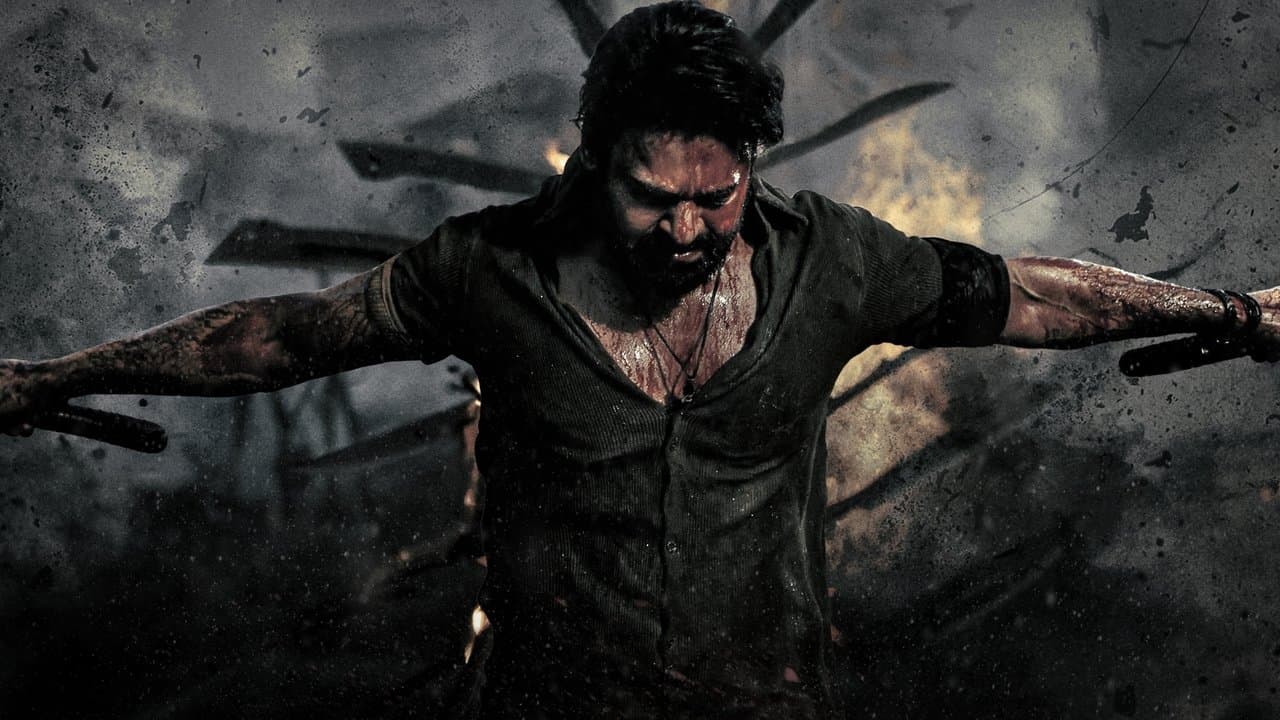
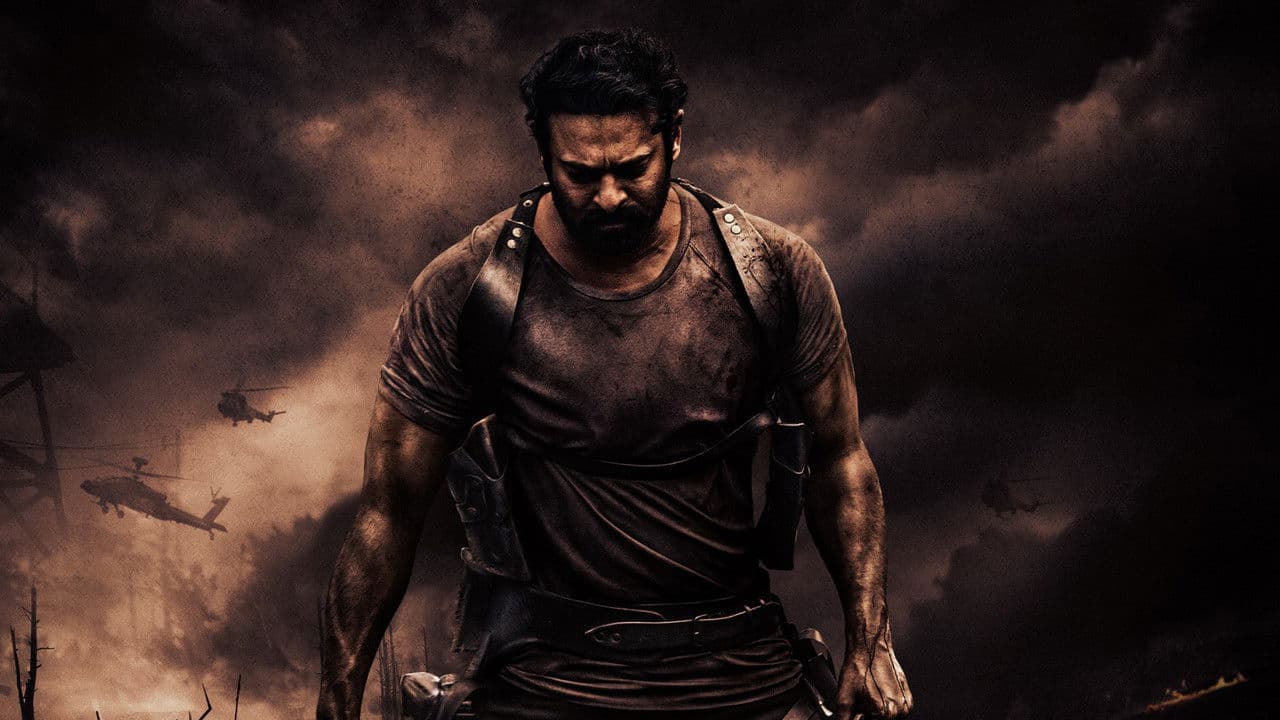
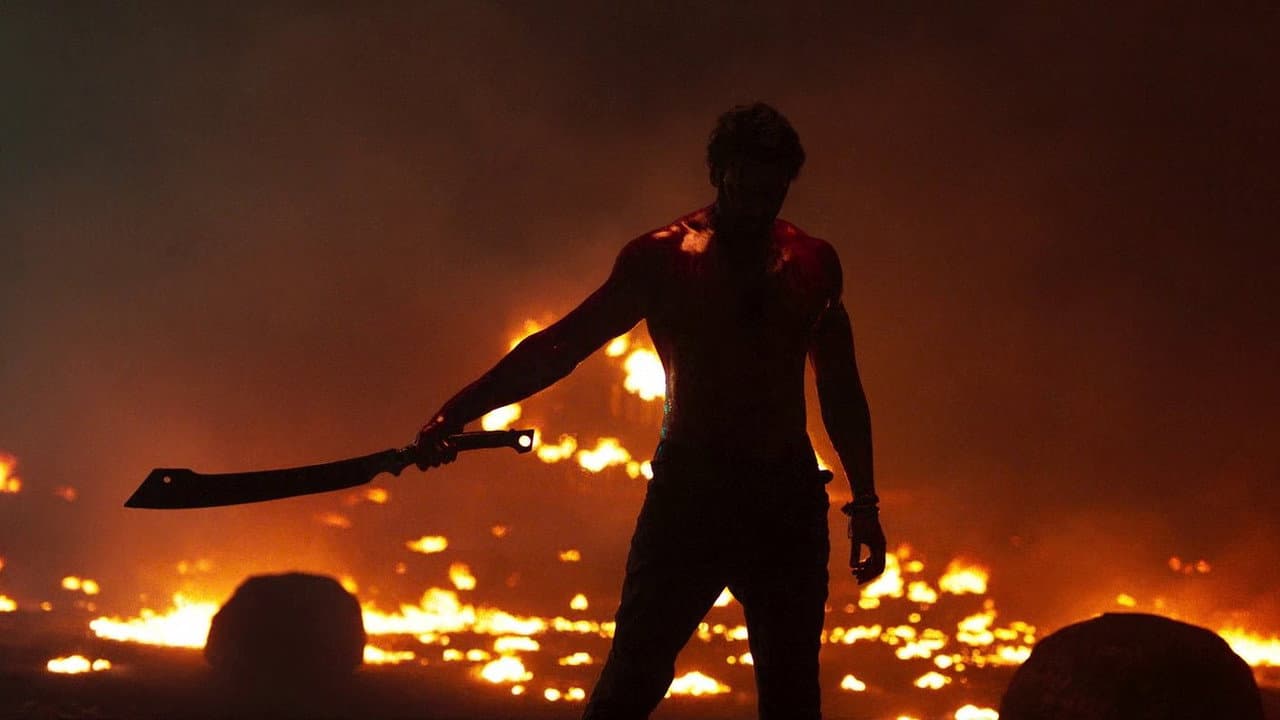
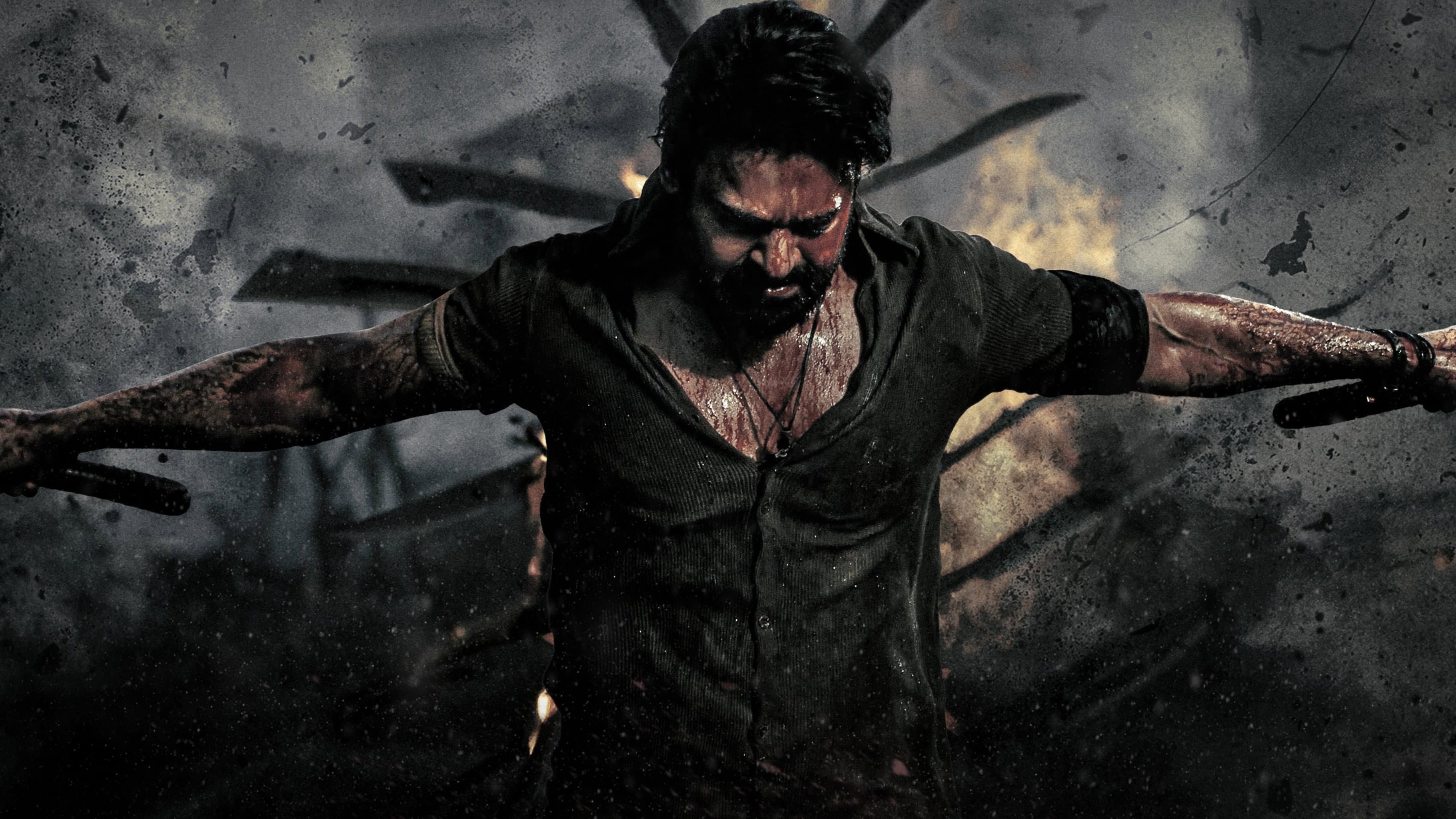
Prashanth Neel, fresh off the “K.G.F” franchise, doubles down on his signature visual language. “Salaar” is a film of immense scale: thunderous gunfire, dust-choked landscapes, and characters who communicate as much through glares and slow-motion walks as through dialogue. Bhuvan Gowda’s cinematography is a masterclass in creating dread. Khansaar is not a gleaming city but a rusted, concrete warren of vertical towers and narrow streets. The action sequences, when they come, are brutally efficient-think bone-crunching hand-to-hand combat, not gravity-defying leaps. The final act, a sprawling siege sequence, is choreographed with a clarity that modern action cinema often lacks.
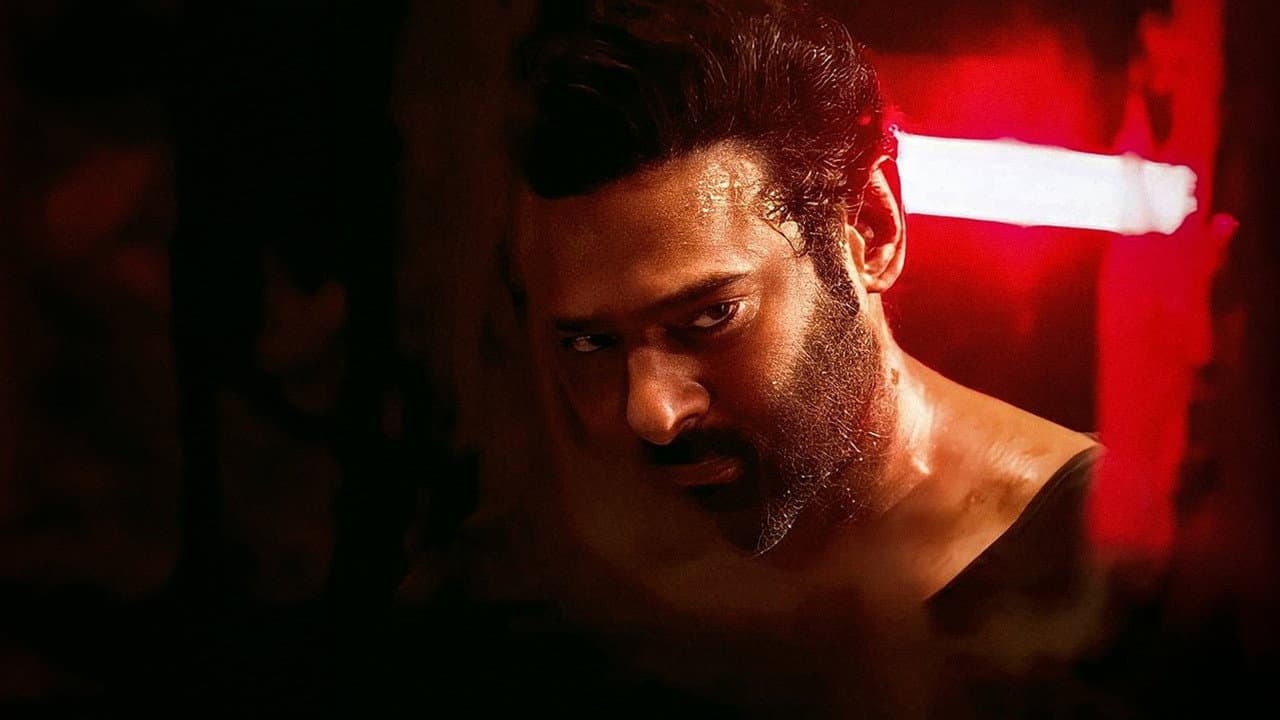
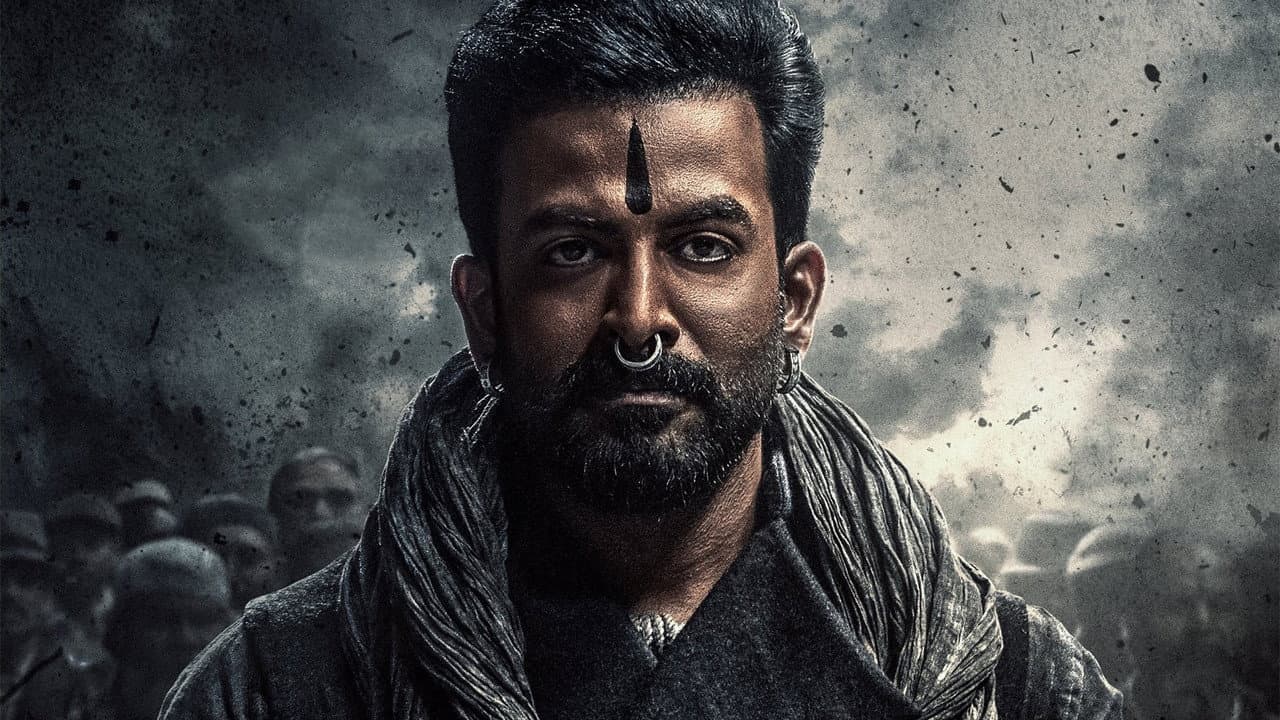
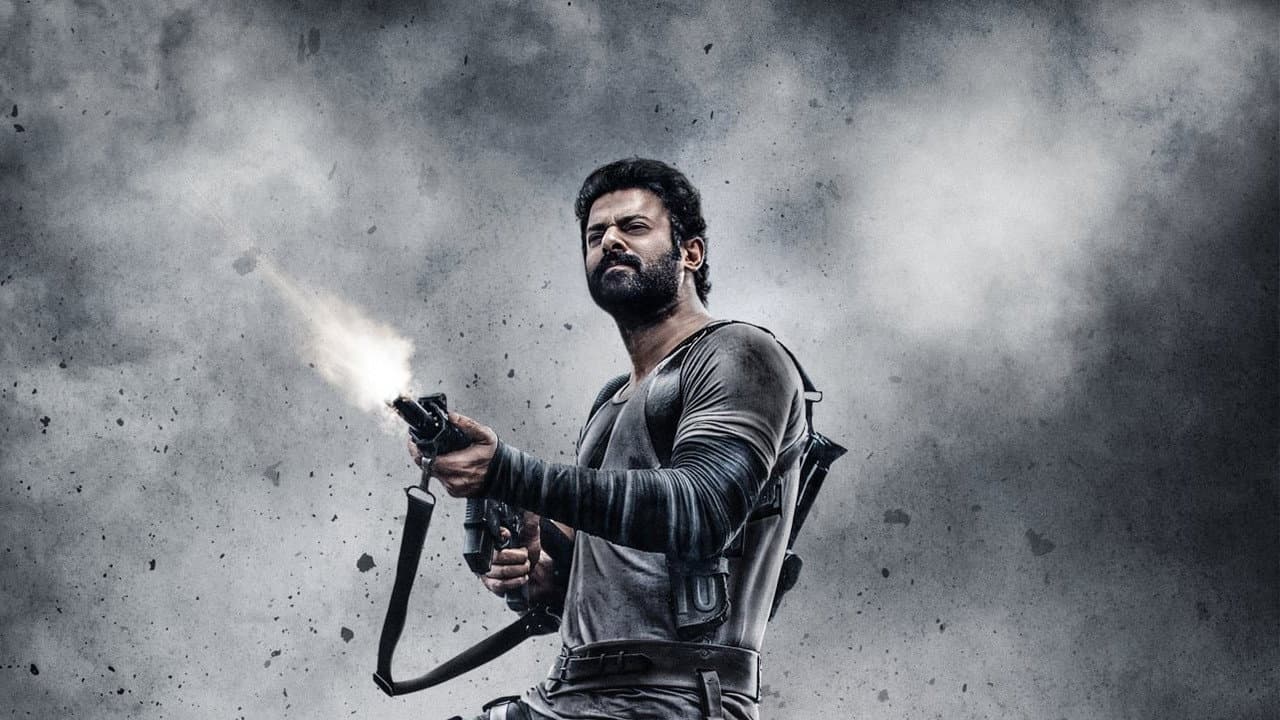
Prabhas, as Deva, delivers a performance built on controlled stillness. When he finally unleashes violence, the contrast is stark and thrilling. His physicality carries the role; the quiet “Nobody can catch me” speech is a career highlight. Prithviraj Sukumaran matches him beat for beat as Varadha, a prince burdened by conscience but forced into ruthlessness. Their chemistry-the unspoken understanding, the shared trauma-is the film’s emotional bedrock. Shruti Haasan’s Aadya, unfortunately, exists mostly as a plot device to reveal backstory. The film’s female characters are generally underwritten, with Sriya Reddy’s Radha Rama Mannar a notable exception: she commands every scene with cold venom.
Where the film stumbles is its pacing. The first hour is a deliberate, almost languorous setup. Neel builds the world meticulously-the customs of Khansaar, the hierarchy of its clans, the lore of the “Mannar” prophecy-but this comes at the cost of narrative propulsiveness. Casual viewers may feel lost in the dense political jargon and lengthy exposition. The soundtrack, while rousing in moments by Ravi Basrur, occasionally overwhelms quieter scenes. And the ending, which teases an all-out war in Part 2, feels like a mid-point rather than a satisfying climax. As a standalone experience, it’s incomplete.
Pros & Cons
Pros
- A masterfully constructed, gritty dystopian world that feels lived-in and dangerous.
- Prabhas and Prithviraj deliver career-defining performances of physical and emotional weight.
- The action choreography is visceral, clear, and inventive, avoiding CGI clutter.
- A genuinely compelling central theme of loyalty versus ambition.
- Bhuvan Gowda’s cinematography and Neel’s framing create a unique, oppressive visual style.
- Sriya Reddy’s powerful supporting performance as the matriarchal antagonist.
Cons
- Slow pacing in the first hour, with dense exposition that may alienate general audiences.
- Shruti Haasan’s character is underwritten and largely serves as a narrative crutch.
- The 175-minute runtime feels stretched, especially given the cliffhanger conclusion.
- Ravi Basrur’s score, while impressive, occasionally drowns out dialogue and emotion.
- The film is clearly only half a story; no closure is provided for major arcs.
Rating Breakdown
Final Verdict
“Salaar: Part 1 - Ceasefire” is a film of immense, uncompromising ambition. It is not the easy, crowd-pleasing mass entertainer some anticipated. It is a slow-burn, visually poetic crime epic that demands your full attention and rewards it with a hypnotic, brutal world and two magnificent lead performances. The flaws-pacing, an underwritten female lead, a maddeningly abrupt ending-are real. Yet, for audiences who love dense mythology and primal action, this is essential viewing. It lays a foundation that Part 2 will need to deliver on. As a whole, it is a deeply flawed but extraordinary piece of filmmaking. Watch it for the craft, the performances, and the sheer nerve of its vision.
Rating: 7.5/10 - A bold, divisive epic that promises more than it delivers in isolation, but what it delivers is unforgettable.
Advertisement
Cast

Prabhas
Devaratha "Deva" Raisaar

Prithviraj Sukumaran
Vardharaja Mannar / Siva Mannar

Shruti Haasan
Aadya Krishnakanth

Easwari Rao
Deva's Mother

Jagapati Babu
Raja Mannar

Bobby Simha
Bhaarava

Sriya Reddy
Radha Rama Mannar

Ramachandra Raju
Rudra Raja Mannar

Mime Gopi
Bilal

Tinnu Anand
Gaikwad "Baba"

Pramod Panju
Baachi Raja Mannar

Ramana
Rinda
Gallery


Related Reviews
Advertisement
Advertisement
160×600
Right Ad