The parched red soil of Rayalaseema has long been fertile ground for stories of rebellion, but few figures loom as large in the Telugu imagination as the one who picks up a weapon not for a crown, but for a crust of bread. This Friday, October 16, 2026, director Rahul Sankrityan brings one such legend to the big screen with Ranabaali, a period action drama that arrives in theatres with the kind of anticipation usually reserved for a festival. The timing, in fact, could not be more apt - the film releases just a day after the state's own calendar marks a shift in season, and its makers are hoping it signals a change in the weather for the Telugu box office as well.
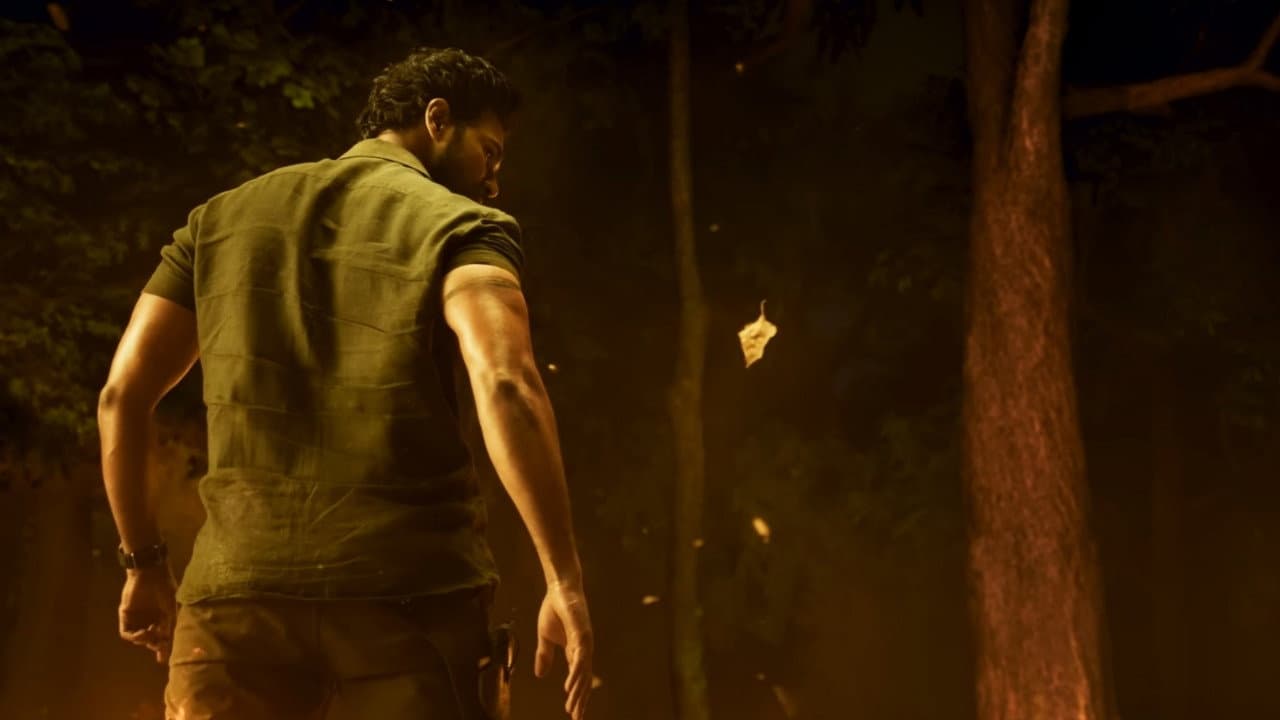
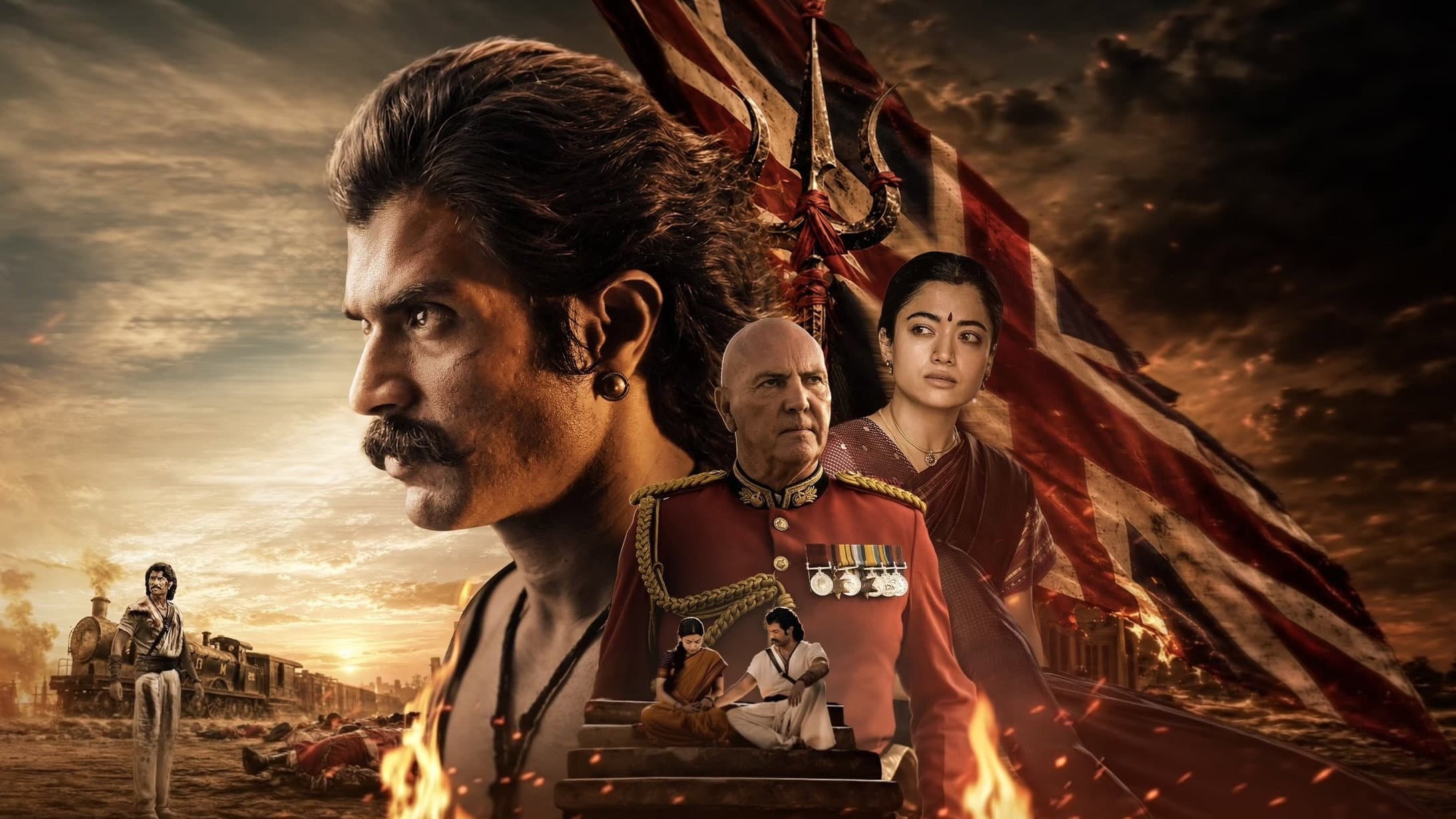
At its heart, Ranabaali is the story of a land pushed to the brink and a man pushed past it. Set in 19th-century British India, the film unfolds in a drought-stricken region where famine has done what no army could - hollowed out a people from within. Into this wasteland steps Vijay Deverakonda's titular character, a fierce leader who rises from the dust of his dying village to confront not just the colonial machinery but the atrocities it casually administers. The historical backdrop is familiar terrain for Telugu cinema, yet Sankrityan's treatment appears to be less about grand battle formations and more about the grinding, daily violence of occupation - the seized grain, the broken backs, the silence of fields that should be full.
Deverakonda, an actor whose career has been defined by restless experimentation, trades his urban volatility for something more elemental here. The first glimpses suggest a performance built on restraint and simmering fury rather than larger-than-life heroics, a choice that aligns with his director's reputation. Sankrityan, who made his mark with the time-bending Taxiwaala and the moody, mythological Shyam Singha Roy, has never been a filmmaker content with the obvious. His previous period piece wrestled with questions of art, legacy and reincarnation; Ranabaali seems to be asking what a man owes his soil when the soil itself is dying.
The supporting cast lends the project considerable weight. Arnold Vosloo, the South African actor forever etched in pop culture memory as The Mummy's Imhotep, steps into the role of Sir Theodre Hector, the British official whose policies bleed the land dry. It is a canny piece of casting - Vosloo brings an innate, imposing menace that should make him a worthy adversary rather than a cartoonish villain. Rashmika Mandanna, reuniting with Deverakonda after the blockbuster Geetha Govindam, plays Jayamma, a character whose place in the narrative remains deliberately under wraps. Whatever her arc, the pairing carries an easy, proven chemistry that should ground the film's more sweeping historical ambitions. Vinod Sagar and Easwari Rao round out the ensemble, the latter in particular a performer capable of turning small roles into emotional anchors.
At 185 minutes, Ranabaali is not a film in a hurry. That runtime signals a certain confidence - a willingness to let the drought, the politics and the swelling resentment breathe before the inevitable uprising. Historical action dramas in Telugu have often favoured spectacle over texture, but the early promise here is of something more patient: a study of how oppression works slowly, and how resistance, when it finally comes, arrives with the force of a dam breaking. The film's title itself - a compound suggesting both a warrior and a force of nature - hints at where that pressure eventually leads.
What remains to be seen is whether the film can balance its twin obligations: the visceral thrill of a mass action entertainer and the heavier, more sombre demands of a story rooted in real suffering. Sankrityan has shown a gift for blending the mythic with the intimate, and if Ranabaali manages that synthesis, it could prove to be more than just another period piece in a crowded calendar. The genre has given Telugu audiences some of their most defining recent successes, and the bar is high. But a drought, a leader, and a foreign power who underestimates both - that is a story with a deep, resonant pull, and the kind of stakes that do not need embellishment.
For now, the film arrives with no early ratings to speak of, its scorecard blank until audiences fill the seats. That, perhaps, is the purest way to meet a movie like this - with nothing but the parched earth, the rising cry, and the hope that the rain, when it comes, was worth the wait.