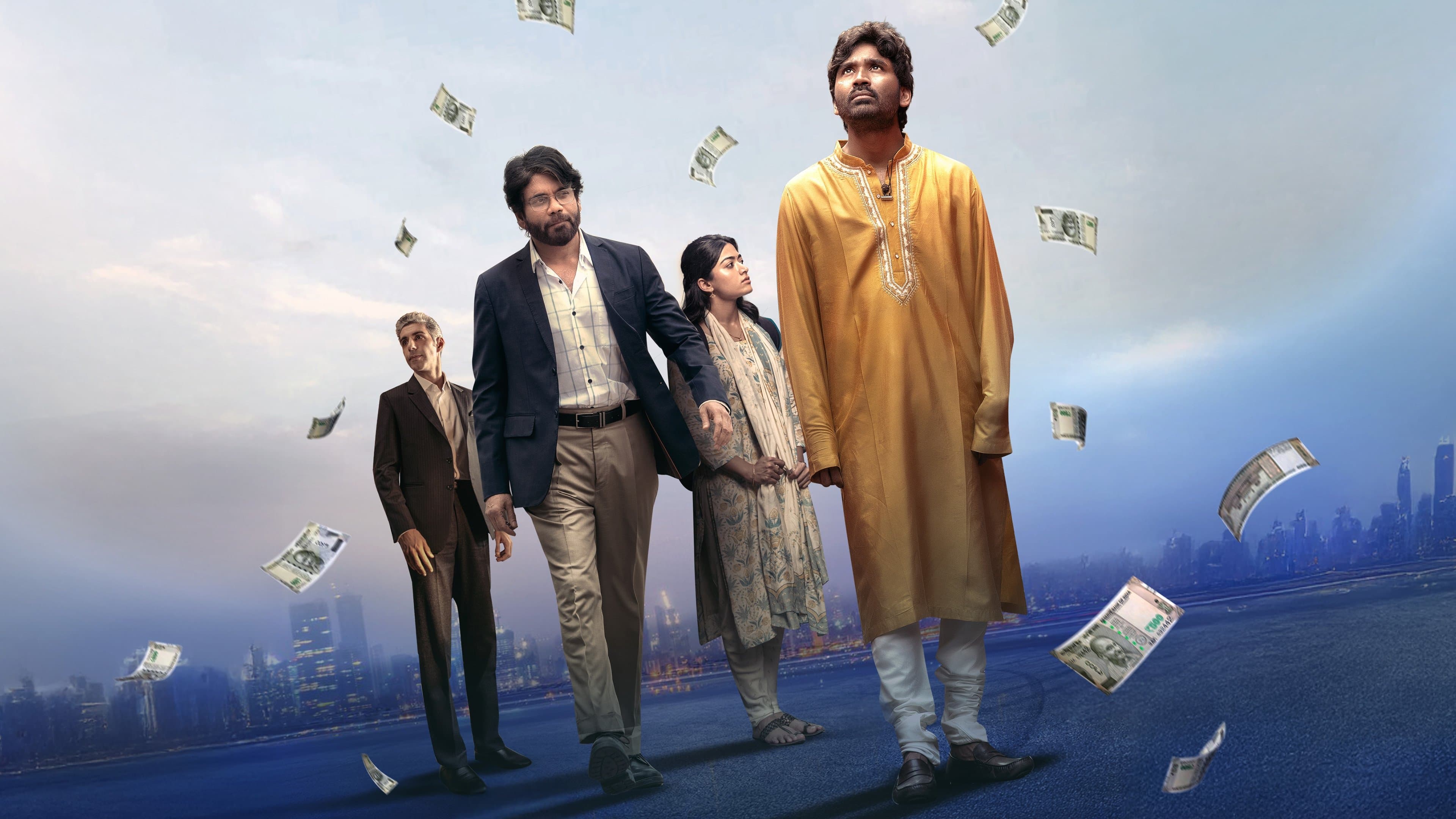
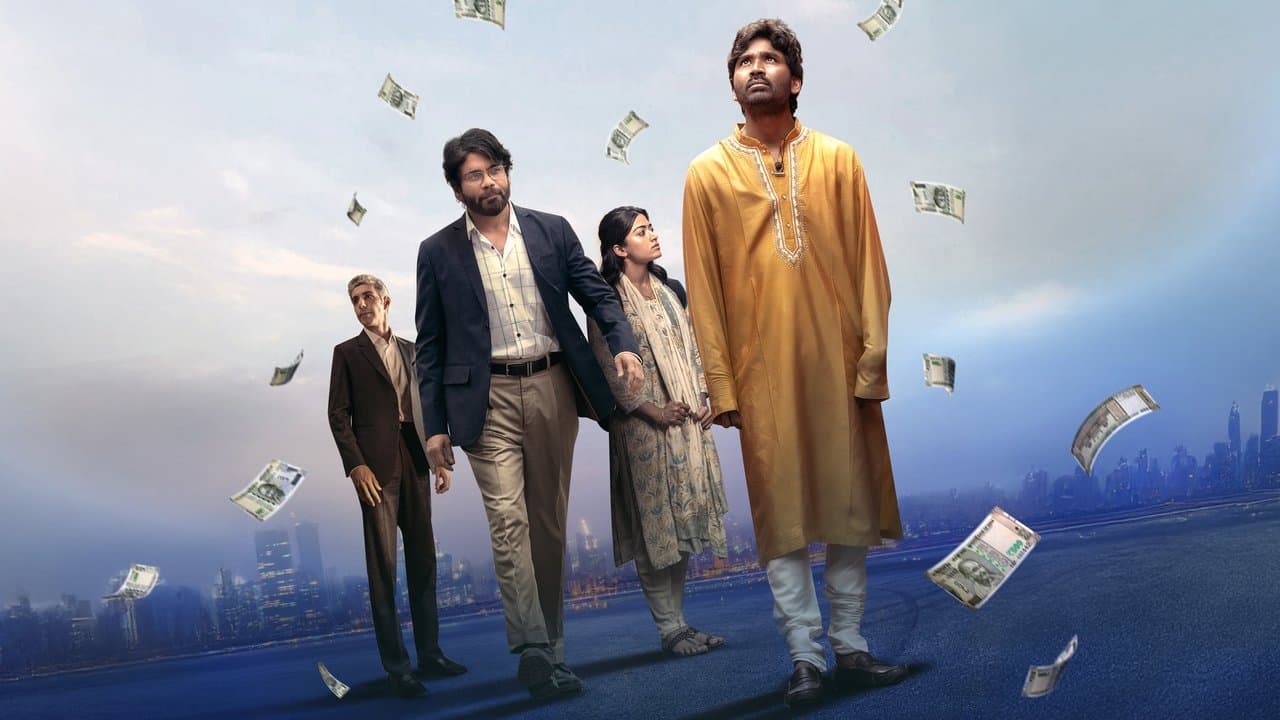
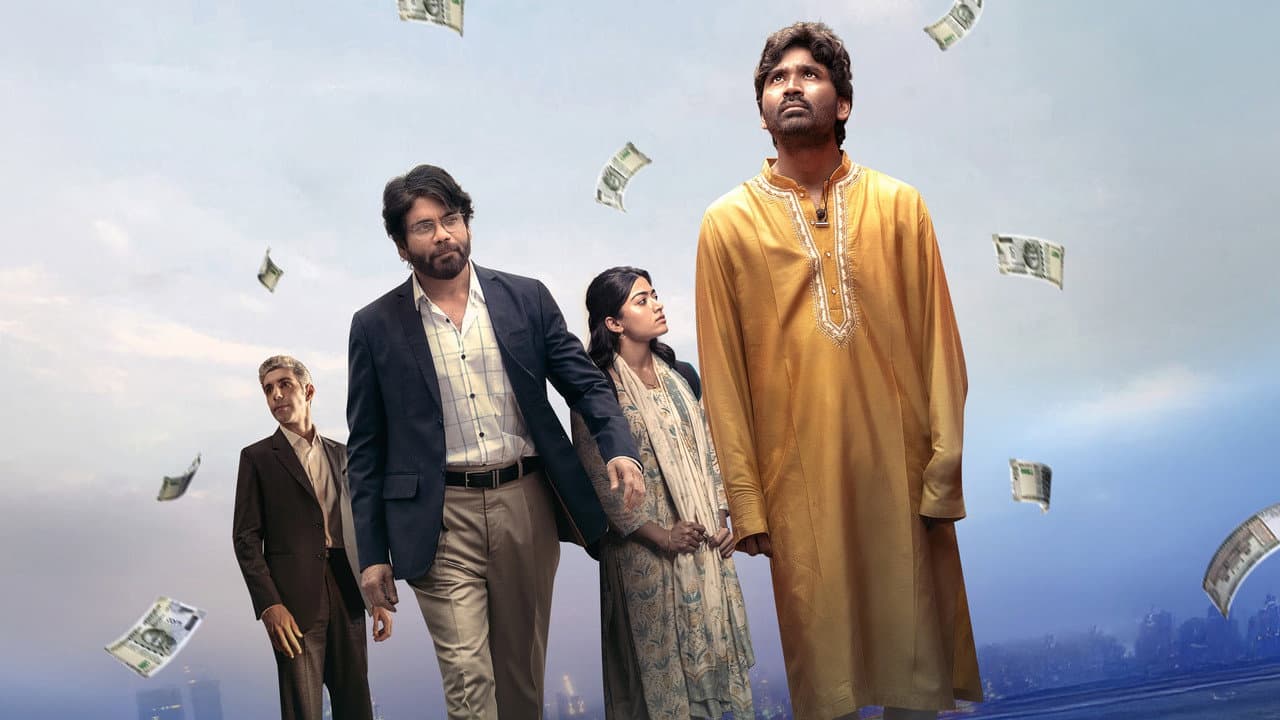
Neeraj Mitra (Jim Sarbh) is not your average billionaire. He is a shadowy financier who has perfected a grotesque money-laundering scheme: using the homeless and destitute as "benamis" - shell entities with no real identity. To execute this legally labyrinthine operation, he enlists Deepak Tej (Nagarjuna Akkineni), a once-principled civil servant now disgraced and cynical. Their house of cards collapses when a beggar named Deva Kalam (Dhanush), a man with a hidden past and a sharp intellect, escapes with a staggering ₹10,000 crores. Hunted by Neeraj’s merciless network, Deva crosses paths with Sameera (Rashmika Mandanna), a fiery social activist. Together, they hatch a counter-plan: use the stolen money not for escape, but to launch a systematic assault on the poverty that created them. With a reluctant Deepak forced to switch sides, a three-way war for a nation’s conscience - and currency - begins.
Advertisement
160×600
Left Ad
Advertisement
Kuberaa Review: A Captivating Film Experience
Director
Sekhar Kammula
Language
TE
Release
2025-06-19
Runtime
185 min
Quick Verdict
Kuberaa is a wildly ambitious, structurally ungainly, and thematically rich crime drama that swings for the fences but often strikes out on execution. Anchored by career-best performances from Dhanush and Nagarjuna, it offers moments of genuine brilliance and a fascinating central premise. However, its punishing 185-minute runtime, languid pacing, and a third act that loses its grip prevent it from being the masterpiece it desperately wants to be. It's a flawed, fascinating, and unforgettable train wreck that is worth the ride - once.
Story
Review
Director Sekhar Kammula has always been a romantic at heart, even when his canvas turns cynical. In Kuberaa, he attempts to fuse his signature humanism with the cold machinery of a heist-thriller. The result is a fascinating, if frustrating, tone poem. The first hour is patient, almost novelistic. Kammula takes his time establishing the ecosystem: the quiet desperation of the beggars, the antiseptic luxury of Neeraj’s world, and the moral rot inside Deepak’s regret. The screenplay, co-written by Kammula, is dense with dialogue that often illuminates character, but it is also bloated. Scenes linger, conversations repeat themes, and the subplot involving Sunaina’s Shilpa and Shravani’s Khushboo feels like vapor that evaporates without consequence.
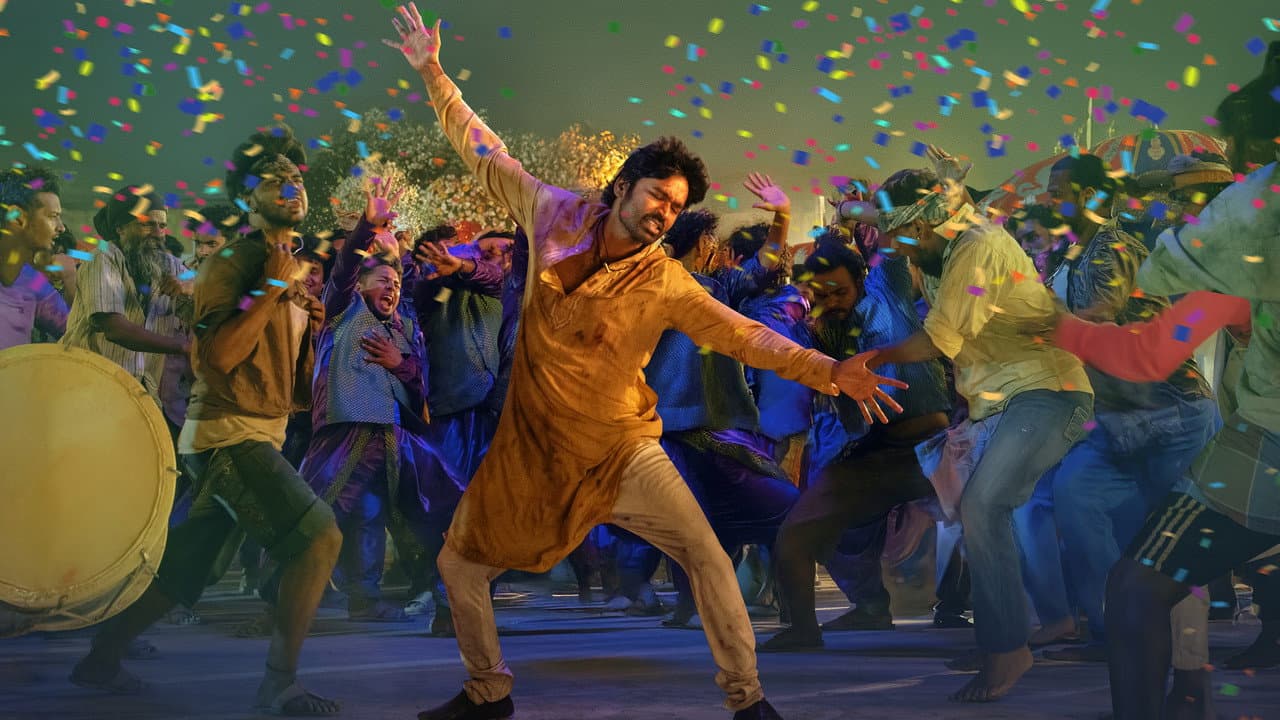
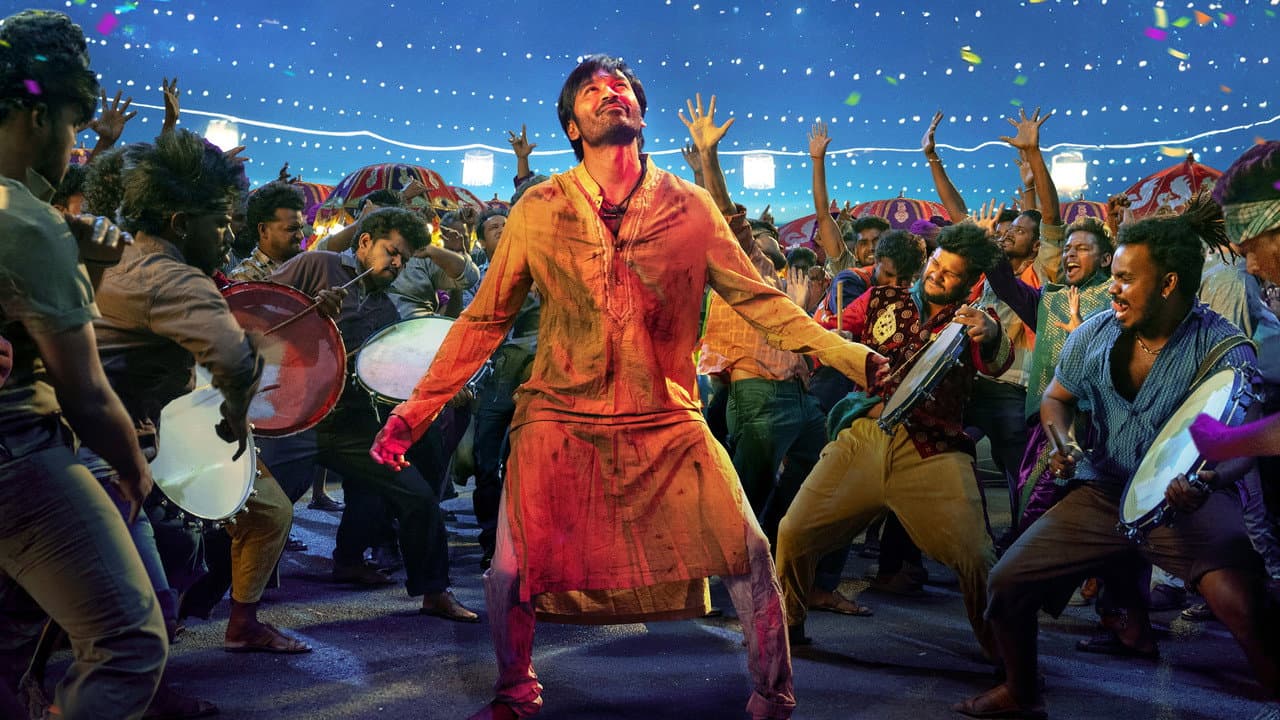
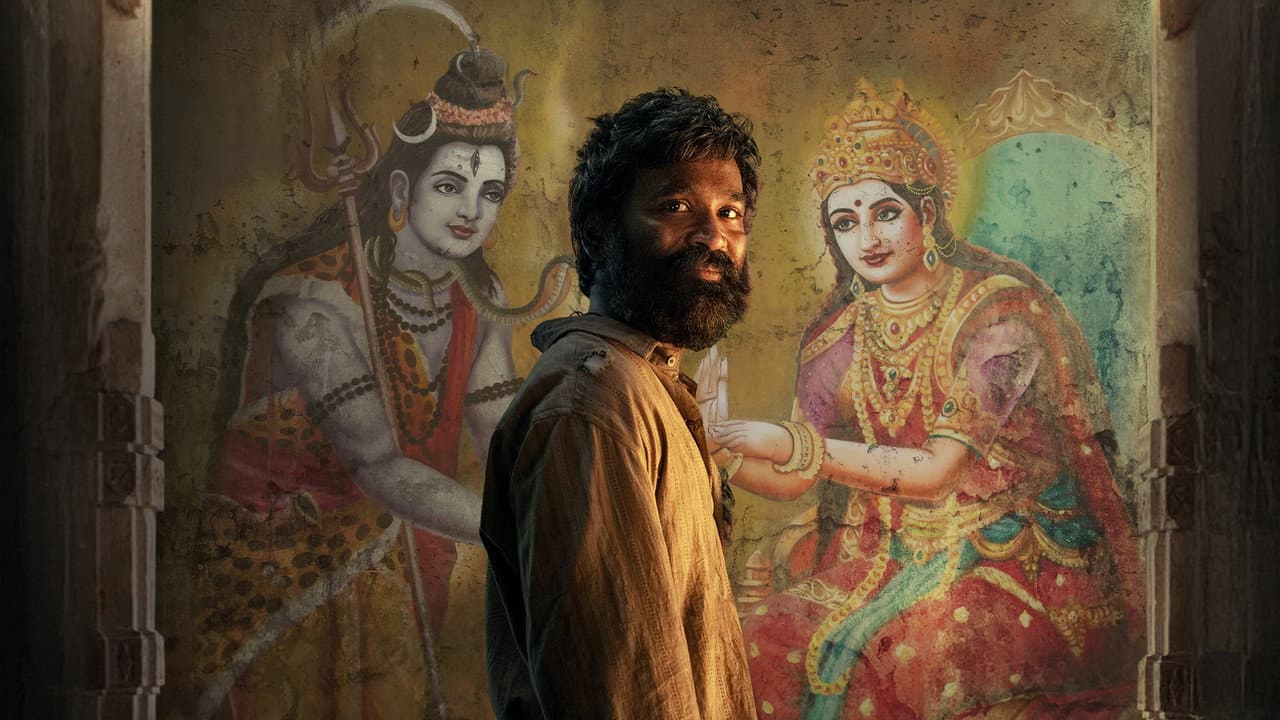
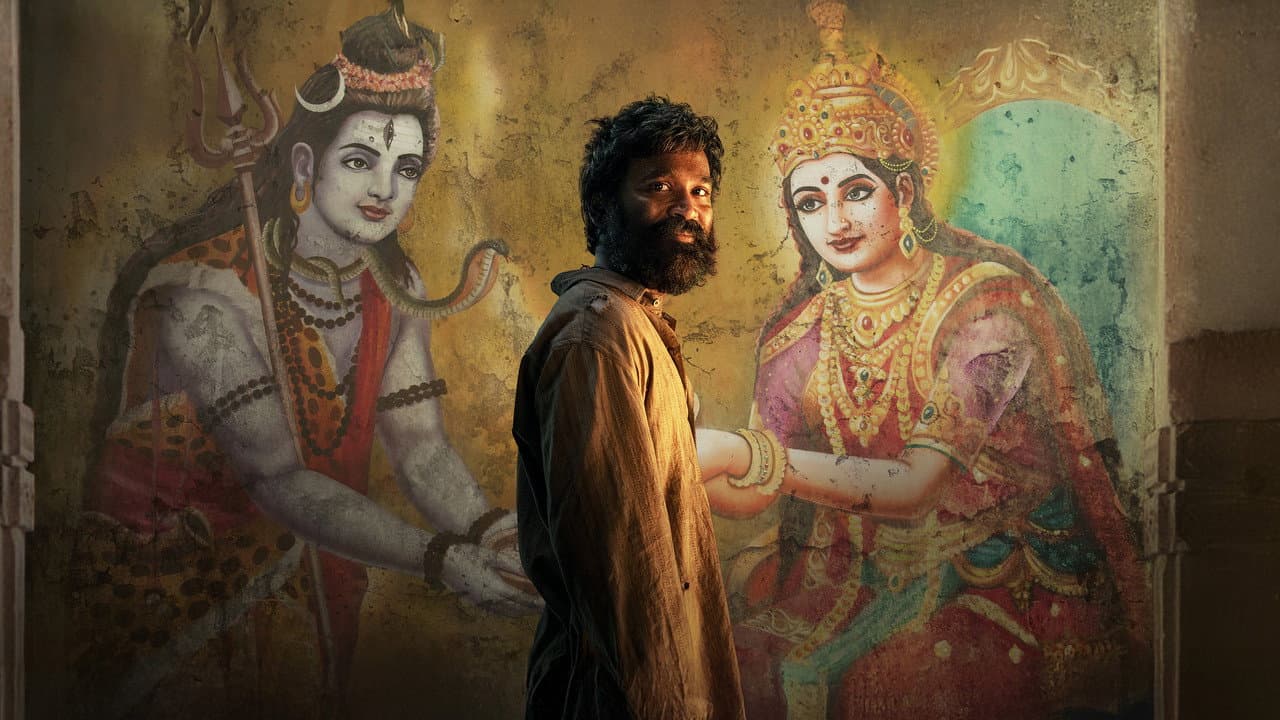
Performance-wise, this is Dhanush’s film. As Deva, he is a coiled spring of raw vulnerability and simmering rage. He doesn’t play a conventional hero; he plays a man who has been invisible his entire life and suddenly has the power to become visible. His transformation from a shuffling, broken figure to a commanding force is the film’s emotional spine. Nagarjuna delivers arguably his finest work in years. His Deepak is a masterclass in defeated dignity, a man whose every smile carries the weight of a compromise. Jim Sarbh, as the antagonist, leans into a cold, reptilian menace that is effective but feels slightly one-dimensional compared to the nuance of the leads. Rashmika Mandanna brings her usual energy, but Sameera is written more as a device - the moral compass - than a fully realized character. Her ideological speeches, while well-delivered, often feel like lectures rather than conversation.
Technically, the film is a mixed bag. The cinematography by Vijay C. Kumar is stunning in its desaturated palette, capturing the grit of the underworld and the sterile gleam of power. The music by Visal and Prashanth R. Vihari is haunting in parts, but the background score often overpowers the quieter moments, telling us how to feel instead of trusting the performances. The editing, a notorious point of contention, is the film’s biggest flaw. Entire sequences could be trimmed, especially in the overlong second act where the setup teases a thriller that never quite arrives.
Pros & Cons
Pros
- Dhanush delivers a career-defining performance, portraying vulnerability and power with stunning precision.
- Nagarjuna Akkineni offers a deeply layered, heartbreaking portrayal of a man haunted by his choices.
- The core concept - using the invisible poor as economic pawns - is provocative and handled with genuine thematic weight.
- Sekhar Kammula’s direction is ambitious, aiming for a social commentary wrapped in a crime thriller.
- The film’s visual storytelling, particularly its use of color and shadow, is excellent.
Cons
- The 185-minute runtime is punishing, with a sluggish middle act that kills momentum.
- The third act devolves into predictable, overlong action set-pieces that betray the film’s earlier subtlety.
- Rashmika Mandanna’s character is underwritten, reduced to a motivational tool rather than a partner.
- The editing is indulgent; several subplots and scenes could have been cut to tighten the narrative.
- Jim Sarbh’s villain, while effective, lacks the psychological depth of the leads.
Rating Breakdown
Final Verdict
Kuberaa is the cinematic equivalent of a three-course meal that tastes incredible but leaves you feeling overstuffed and slightly drowsy. It is a film of high ambition and partial execution, a bold idea that doesn't quite trust its own intelligence. For performances that will linger in your memory and a central premise that is genuinely thought-provoking, it is absolutely worth your time. But be prepared to wrestle with its indulgences. It is not a crowd-pleaser, nor is it a flawless gem. It is a flawed, fascinating, and essential watch for anyone who believes Telugu cinema can - and should - aspire to more than just entertainment. Watch it for Dhanush and Nagarjuna’s confrontation scene alone, a masterclass in acting that almost justifies the entire epic length. Almost.
Advertisement
Cast

Dhanush
Deva Kalam

Nagarjuna Akkineni
Deepak Tej

Jim Sarbh
Neeraj Mitra

Rashmika Mandanna
Sameera

K. Bhagyaraj
Sadhu

Dalip Tahil
Neeraj's Father

Sunaina
Shilpa
Shravani
Khushboo
Ajithlal Sivalal
Khelu
Sathyam Kurung
Dibhya
Col Ravi Sharma
Patil

Saurav Khurana
Robo
Gallery


Related Reviews



Advertisement
Advertisement
160×600
Right Ad