The morning after the theatrical release of Korean Kanakaraju, the consensus in Hyderabad was less a review and more a baffled, delighted shrug. What exactly did we just watch? A horror film that makes you laugh until your stomach hurts? An action comedy with a ghostly body-swap at its core? Merlapaka Gandhi’s latest is all of these, and it shouldn’t work. That it does - and with a TMDb rating of 7.3/10 from early audiences - is a minor miracle of tonal tightrope-walking.
The premise is pure pulp absurdity. Kanakaraju (Varun Tej) is a hot-headed Rayalaseema youth, all swagger and simmering temper, living a life of predictable clan rivalries and rustic pride. Then, a weathered vessel drifts ashore from Korea. Inside is something ancient, restless, and utterly out of place. When the spirit possesses him, Kanakaraju doesn’t just change his accent; he becomes Korean Kanakaraju - a fusion of Rayalaseema machismo and Seoul specter that defies easy description. The film’s 165-minute runtime is generous, but Gandhi uses every minute to let this bizarre premise breathe, never letting the joke go stale.
The comedy, thankfully, is not in the mimicry. Varun Tej doesn’t deliver a caricature of Korean culture; instead, the spirit’s mannerisms bleed through the body in flashes - a sudden, precise taekwondo kick in a village brawl, an inexplicable craving for kimchi with his pesarattu, a formal bow before delivering a thunderous punch. Tej, who has long oscillated between intense roles and lighthearted fare, finds his sweet spot here. He plays the possessed transitions with physical wit, alternating between the gruff, drawling Kanakaraju and the fastidious, otherworldly occupant with an effortless shift in his eyes. It is a performance of controlled chaos.
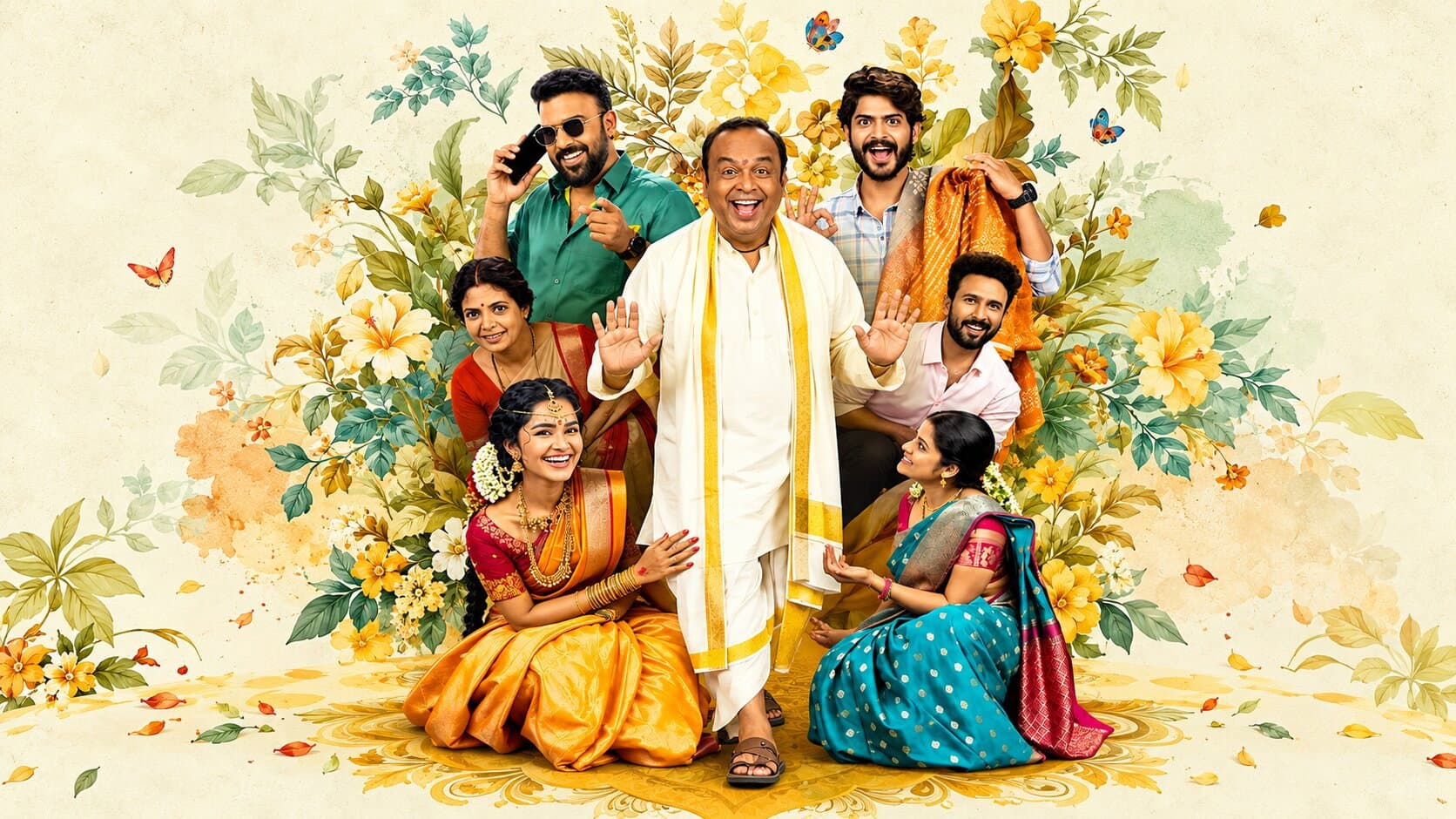
Surrounding him is a robust ensemble that understands the assignment. Sunil Varma, as the perpetually bewildered sidekick, provides the audience’s anchor - his face often mirroring our own disbelief. Satya and VTV Ganesh deliver their usual reliable comic beats, but they are smartly deployed as reactions to the supernatural lunacy rather than passive joke machines. Ritika Nayak, in the lead female role, has the unenviable task of falling for a man who sometimes speaks in perfect, subtitled Korean cadence; she handles the confusion with earnest charm. A special appearance from Daksha Nagarkar adds a welcome spark, while the lesser-known names like Bheemala Revanth and Pavan Sai Subhash fill out the world with authentic local color.
Yet, beyond the gags, Korean Kanakaraju is a surprisingly disciplined genre piece. The horror is not an afterthought. Gandhi stages the initial possession with genuine dread - shadowy lighting, unsettling sound design, a slow-burn creepiness that sets the stakes. The action sequences, too, are grounded in a raw, Rayalaseema style - messy, visceral, and reliant on sudden violence. When the possessed Kanakaraju fights, it is less about choreography and more about sudden, disproportionate ferocity. The film’s genius is that it treats these disparate elements with equal seriousness. The laughter doesn’t undercut the scares; it alternates with them. A moment of eerie stillness is shattered by a punchline; a comedic build-up detonates into a brutal confrontation.
Thematically, the film pokes fun at cultural purity and masculine rigidity. Here is a man who prides himself on being a product of his soil, and his liberation - his ability to defeat his enemies and win the day - comes only when he allows a foreign spirit to share his body. It is a delightful, if accidental, metaphor for the modern Indian experience: the friction between rooted identity and global influence, and the strange, powerful hybrid that emerges from the clash. Gandhi never labors the point; he lets the absurdity speak for itself.
What prevents Korean Kanakaraju from becoming a one-note sketch is its heart. Beneath the jokes and the ghostly antics, there is a genuine affection for its protagonist. Kanakaraju is not a fool; he is a man of limited means of expression. The spirit, ironically, gives him the tools to be more fully human - to express tenderness, to show strategy, to be vulnerable. Varun Tej’s final act, where the two identities internalize each other, lands with surprising emotional weight.
The film is not without its excesses. At nearly three hours, certain middle stretches test patience, and some of the village politics rehash familiar Tollywood tropes. But when a film throws this much at you with this much confidence, you forgive the indulgences. Korean Kanakaraju is a wild, unhinged ride that trusts its audience to keep pace. It is the kind of cinematic experiment that could have been a disaster in lesser hands. Instead, it’s the most memorable Telugu release of August 2026 - a film that feels both deeply local and wildly international, a truly weird and wonderful outlier. Grab your popcorn, and let the spirit take over.