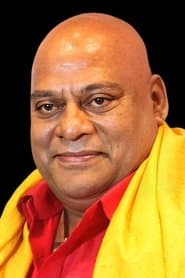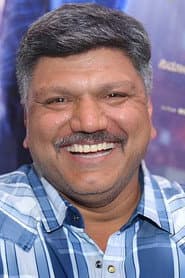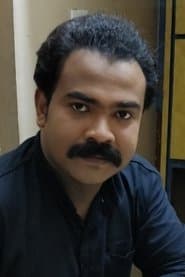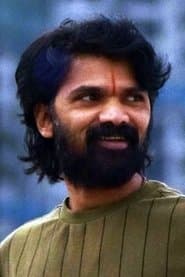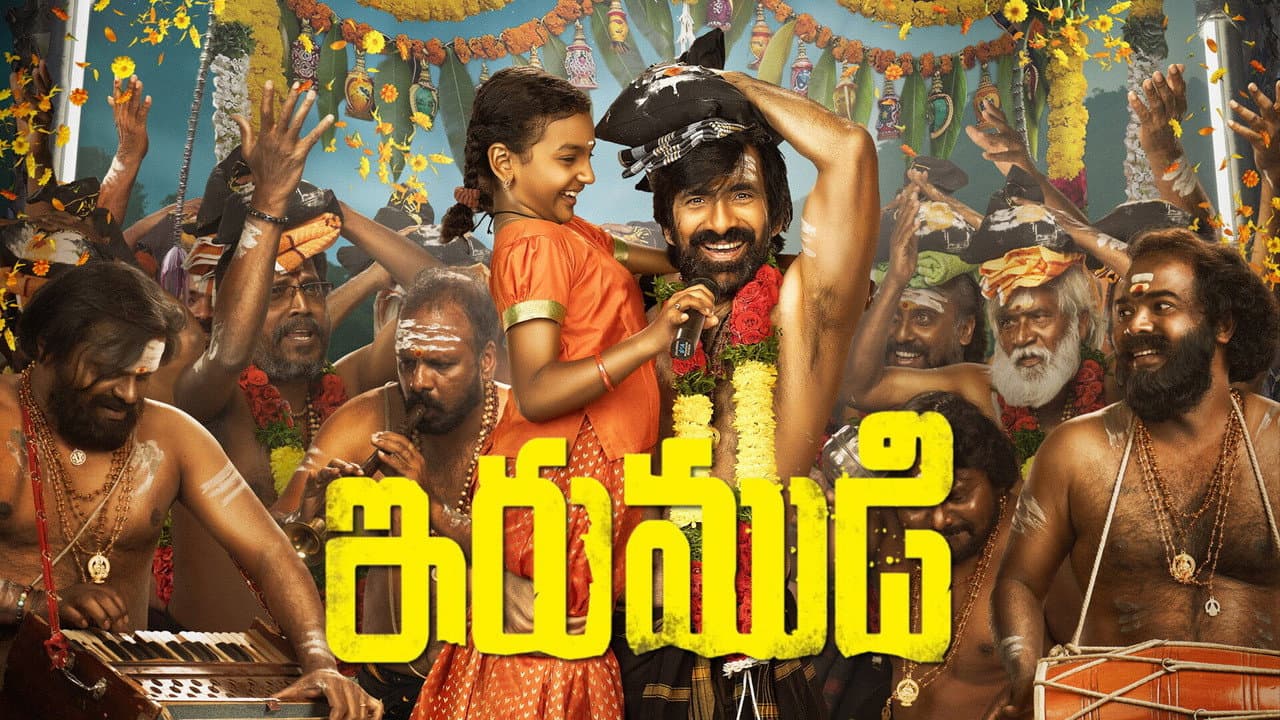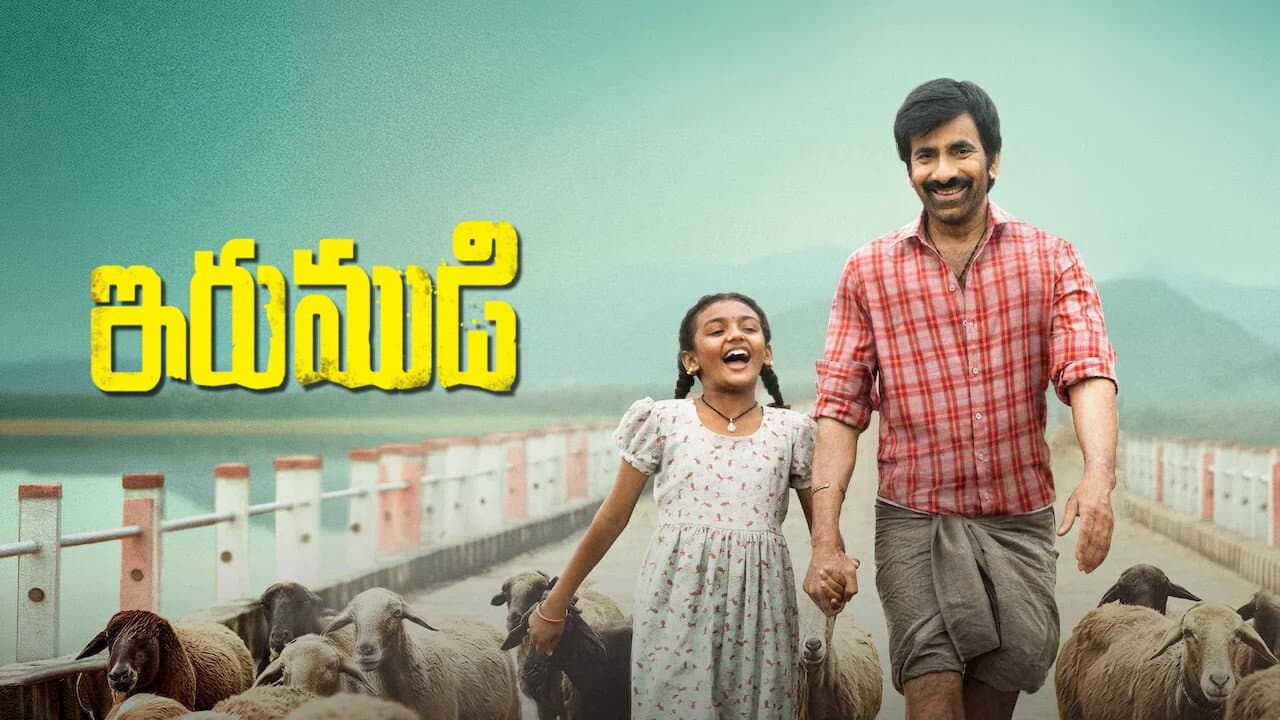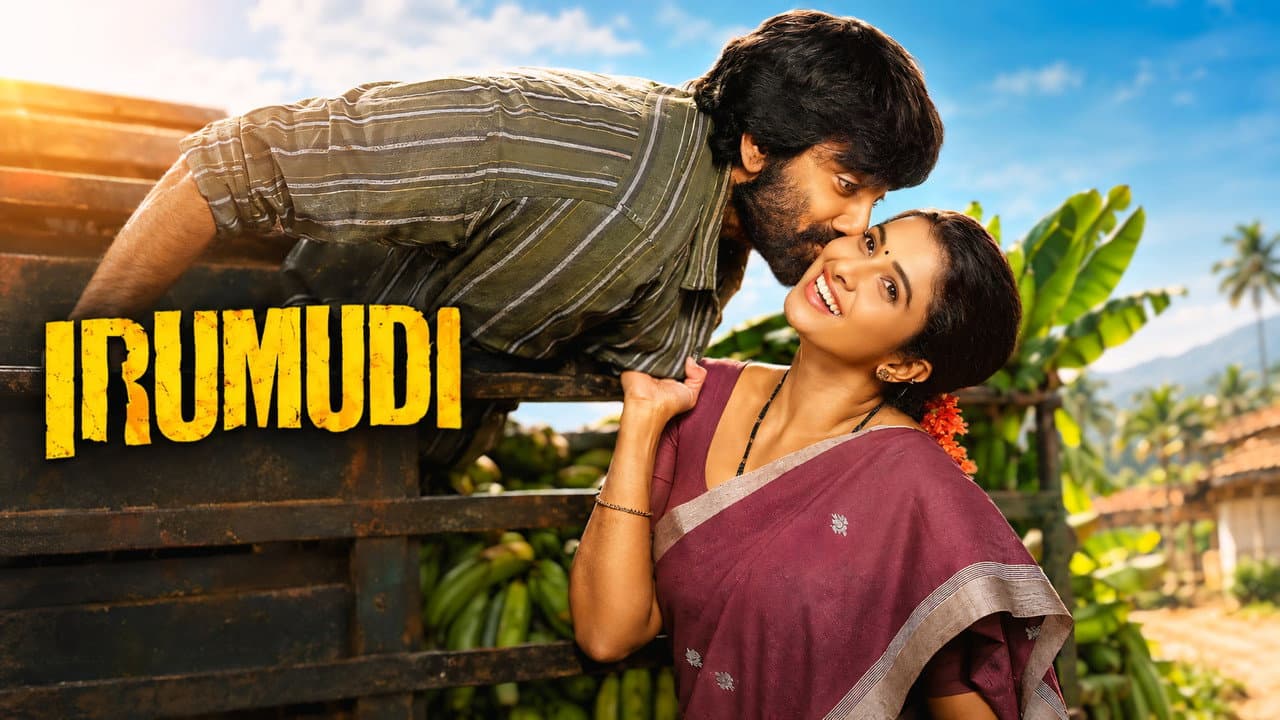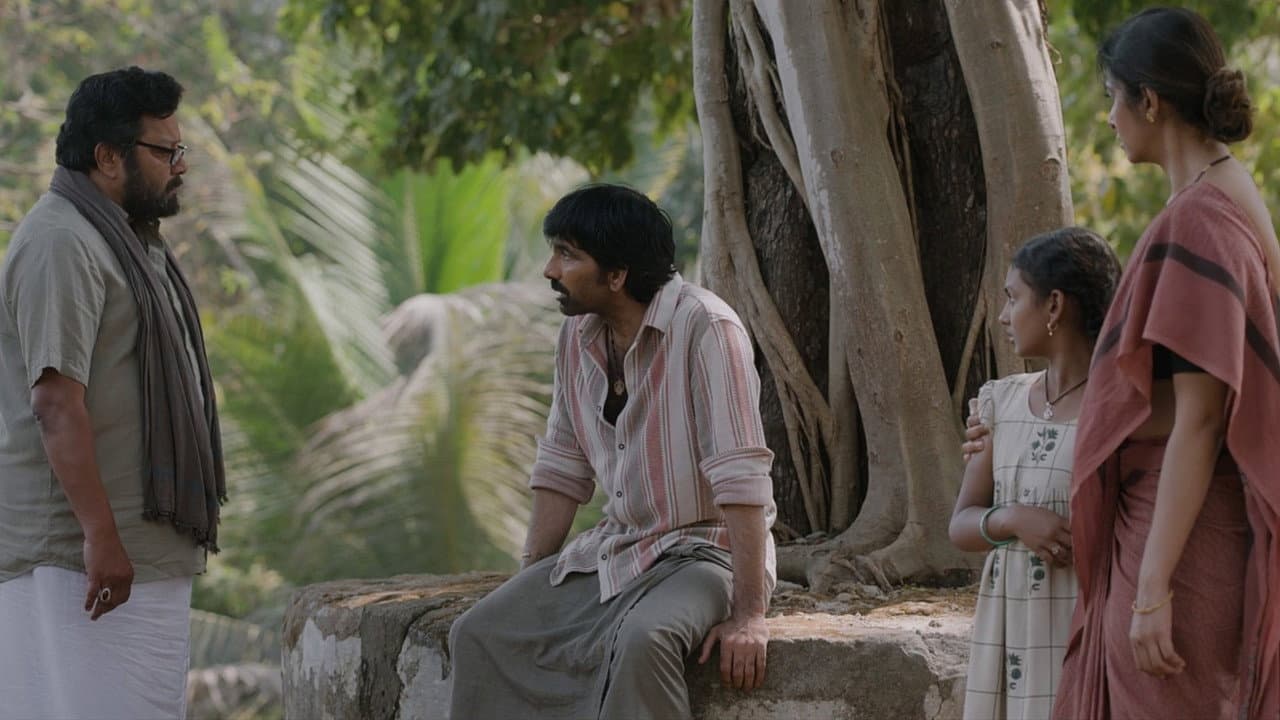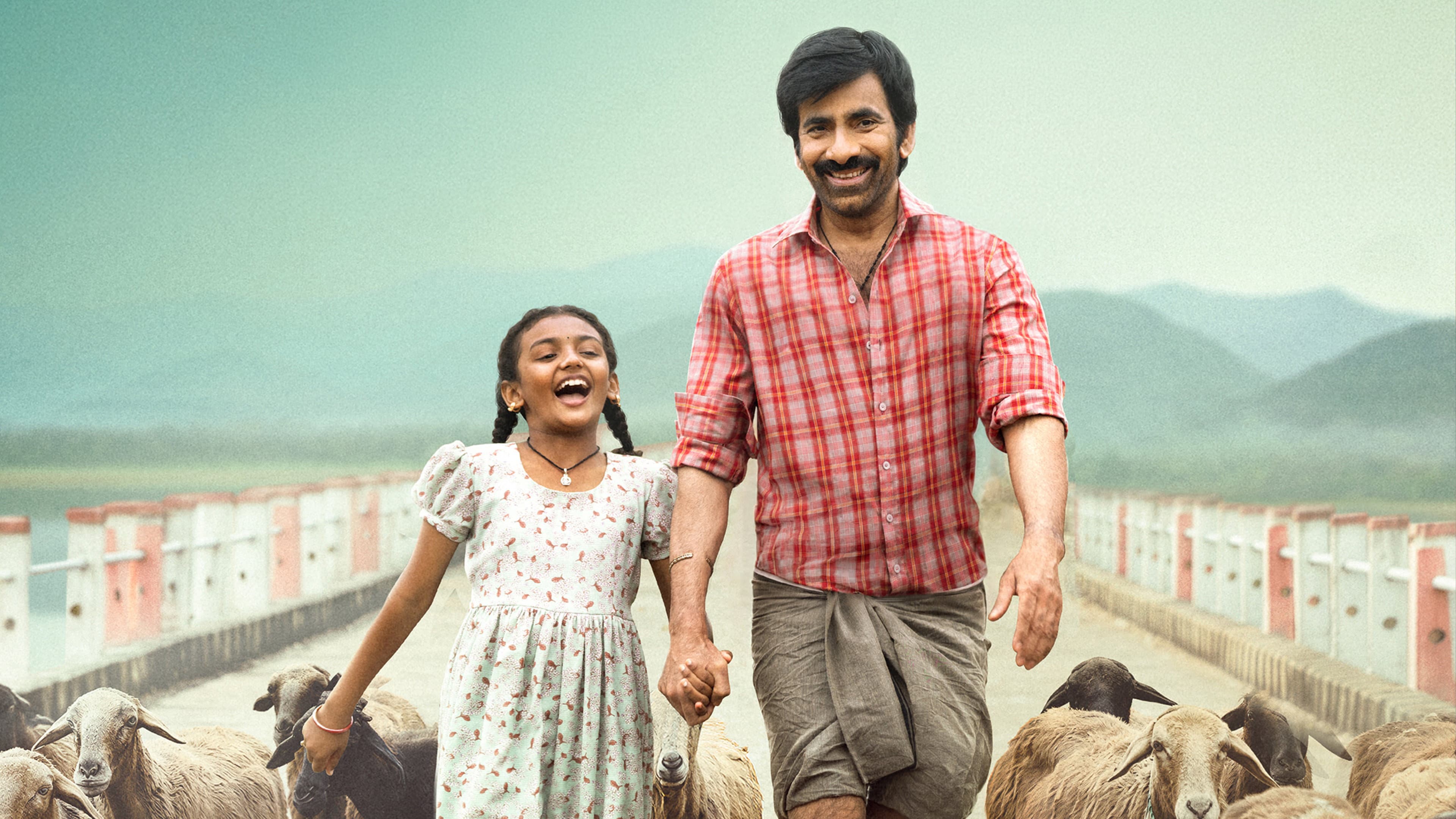
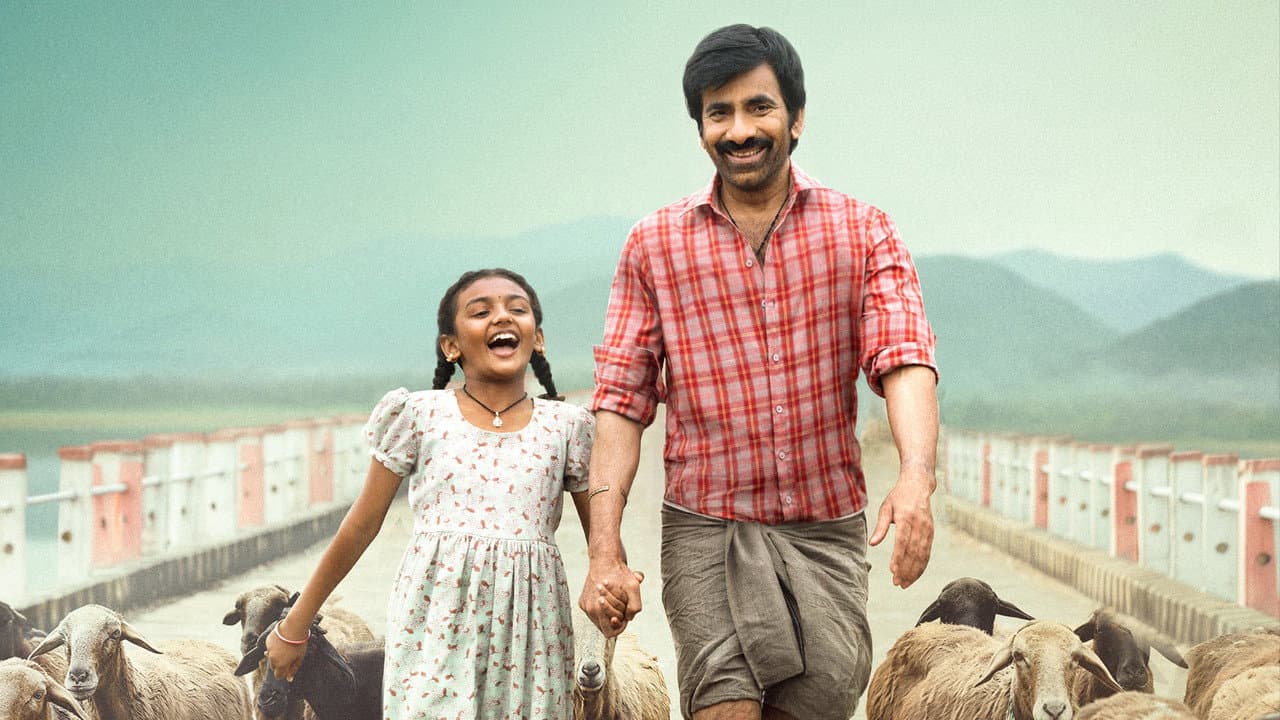
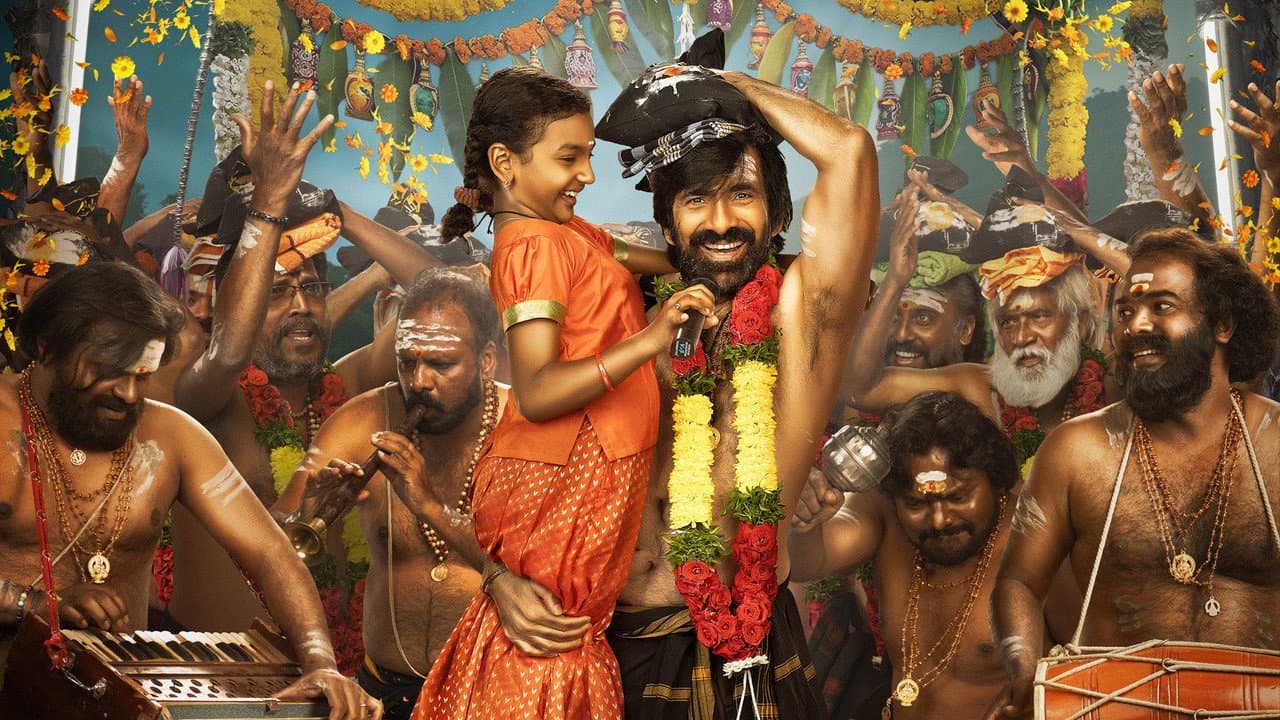
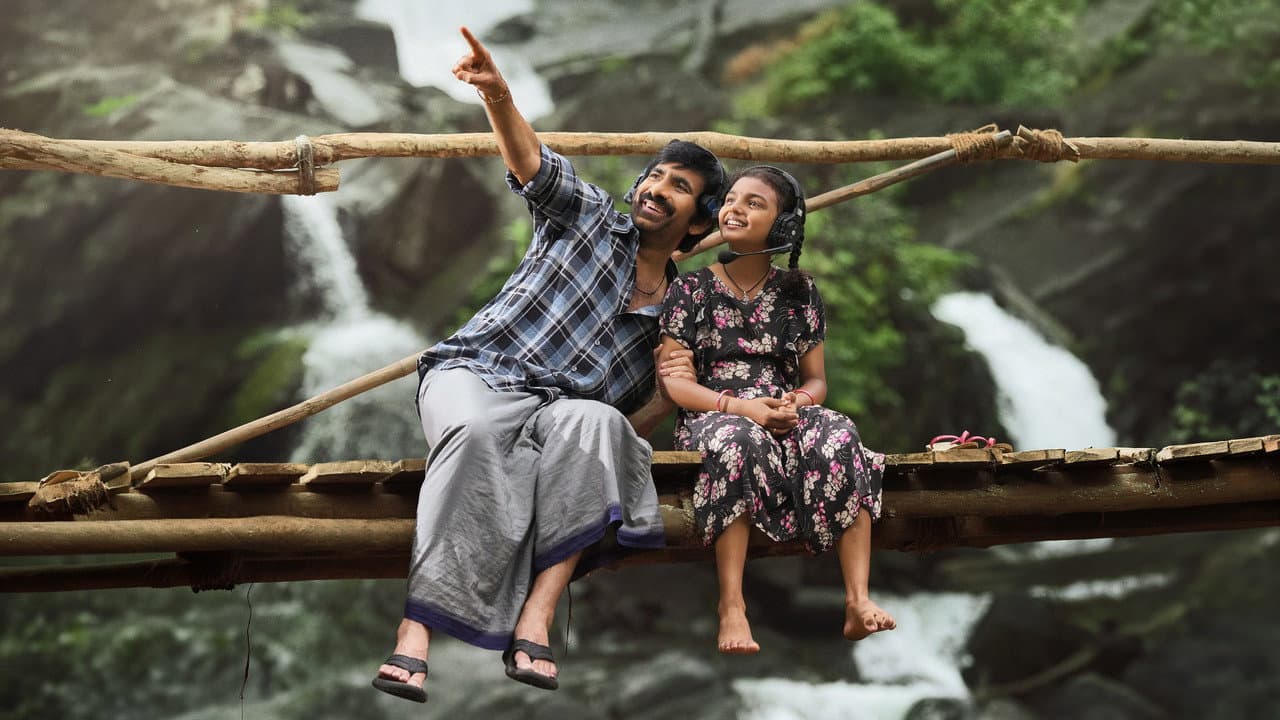
The premise is simple, almost biblical in its austerity. Ravi Teja plays an unnamed alcoholic, a man so haunted by a violent past that he has chosen to excommunicate himself from society, living in a rustic cottage beside a roaring waterfall with his young daughter, played with remarkable maturity by Nakshathra C M. Their world is small, self-contained, and governed by the father’s fragile sobriety. The daughter, wise beyond her years, is the anchor; she cooks, cleans, and manages her father’s episodes with a heartbreaking pragmatism.
Everything changes when she asks him to undertake the Ayyappa Deeksha - a 41-day vow of celibacy, abstinence, and intense austerity. It’s a request born not of religious fervor, but of a desperate, childlike logic: if her father can conquer this 41-day test of will, he can conquer his demons. This sets the stage for a narrative that is less about the pilgrimage itself and more about the internal one. The titular Irumudi (the two-compartment sacred bundle carried by devotees) becomes a symbol of his dual nature: the sinner and the seeker. Priya Bhavani Shankar enters as Kaveri, a local teacher who becomes an unwitting catalyst, and Sai Kumar appears as a stern village elder who knows more about the protagonist’s past than he lets on.