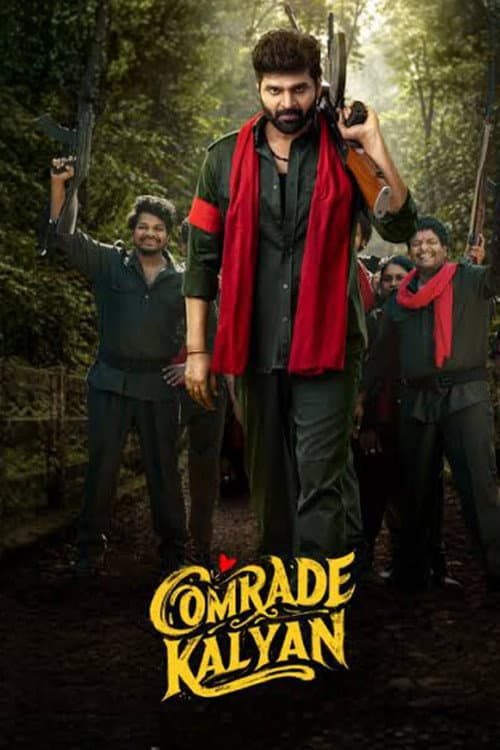
The film unfolds in a naxal-dominated village straddling the Andhra-Odisha border, a setting that immediately signals both danger and neglect. Kalyan, played by Sree Vishnu, runs a decrepit single-screen theatre. Audiences have long abandoned him, but he keeps the projector whirring by leaning into the very sentiment that defines his surroundings: he packages his screenings as a celebration of the people's struggle, draping his business in the language of revolution. It is a clever, almost cynical hustle, and for a while the film seems aware of its own irony.
That awareness evaporates when Kalyan actually joins the naxals, believing their cause will rescue both his dying theatre and his stagnant life. He then kidnaps a leader, an act that triggers a cascade of consequences no one, least of all Kalyan, can control. The narrative wants to examine loyalty, opportunism, and the cost of commitment, but it keeps getting distracted by romantic subplots and set pieces. The transition from trickster to true believer never quite lands, and the kidnapping that should be the film's pivot instead feels like a plot beat inserted to justify the final hour.