A Telugu film is not a story with songs dropped into it. It is a story and, running alongside it, a set of small films, each one built on its own budget and its own calendar. Understanding how a Telugu song sequence is actually made explains why the form feels the way it does to a viewer watching from another country: the melody arrives first and the picture is built to serve it.
 Photo: TMDb
The Song Is a Film Inside the Film
From situation to tune to lyric
A Telugu film song begins as a problem of story, not of music. The director and the composer sit with a situation: a hero who has just lost something, a pair who have just met, a family in the middle of a festival. The composer writes to that situation first. The tune is finished before a single word exists. The melody is locked, its length fixed, its rises and falls decided. Only then does the lyric writer set words to it.
This is the reverse of how many outside listeners assume it works. Most people picture a poet handing over a verse and a composer dressing it in music. In Telugu cinema the order runs the other way. That is why a lyric so often sounds carved to fit rather than written freely. The word for this craft is lyric writing to tune, and the writer's job is closer to tailoring than to poetry: every syllable has to land on the beat the melody has already claimed.
The composer is not working alone on instinct. Scores are built to the director's brief, the same way a scene is, and a tune that does not serve the situation gets rewritten. What finally reaches the audience as a three minute number has usually passed through several versions that never left the room.
The singers and the mixing desk
Playback singers are the voices you hear while the actor on screen mouths the words. The term matters because the person singing is almost never the person you are watching, and that separation is a deliberate part of the craft rather than a trick. Singers record at a studio against the final track. A single song can carry more than one voice, sometimes three or four across its sections.
This stage belongs to the mixing desk. The same composer may spend longer polishing a two minute sequence than on a long stretch of background score, because a song is expected to stand alone. The finished audio is delivered to the film's makers as a self contained product. Everything after this point is picture.
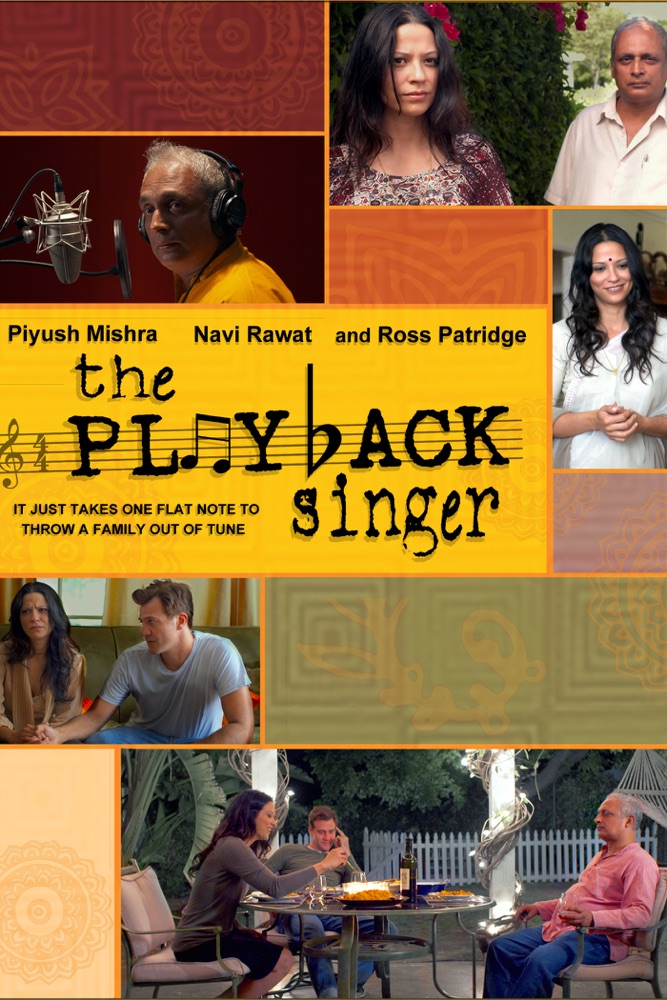 Photo: The Playback Singer
The Song Is Shot Later, and Often Elsewhere
A separate schedule, a separate crew
A song is not filmed on the day the scene around it is filmed. It is scheduled separately, sometimes weeks after the dialogue portions are done, and it can be shot by a second unit, a smaller crew working under the director's brief while the main unit is busy elsewhere. A second unit is simply a parallel crew, and in Telugu production it is a normal arrangement rather than a fallback.
A producer budgets for this. A song sequence needs its own set, its own costumes, its own light, and often its own travel. That is why a film's shooting plan is drawn up with song blocks marked out in advance, the way a construction schedule marks out a foundation pour.
Sets, locations and the choreographer
The choreographer comes in once the tune is locked. This is the person who designs the steps and the movement of the whole frame rather than only the dancers' feet, deciding where the camera will be able to stand and how many bodies will fill the space. Some sequences are built on a constructed set and never leave the studio floor. Others are shot at a distant location, which is why a Telugu song can jump from a Hyderabad floor to a foreign street inside three minutes.
The choreographer and the composer work in parallel, because the rhythm of the steps has to sit inside the rhythm of the track. When that alignment is right, the sequence reads as a single piece of movement. When it is off, no amount of colour corrects it.