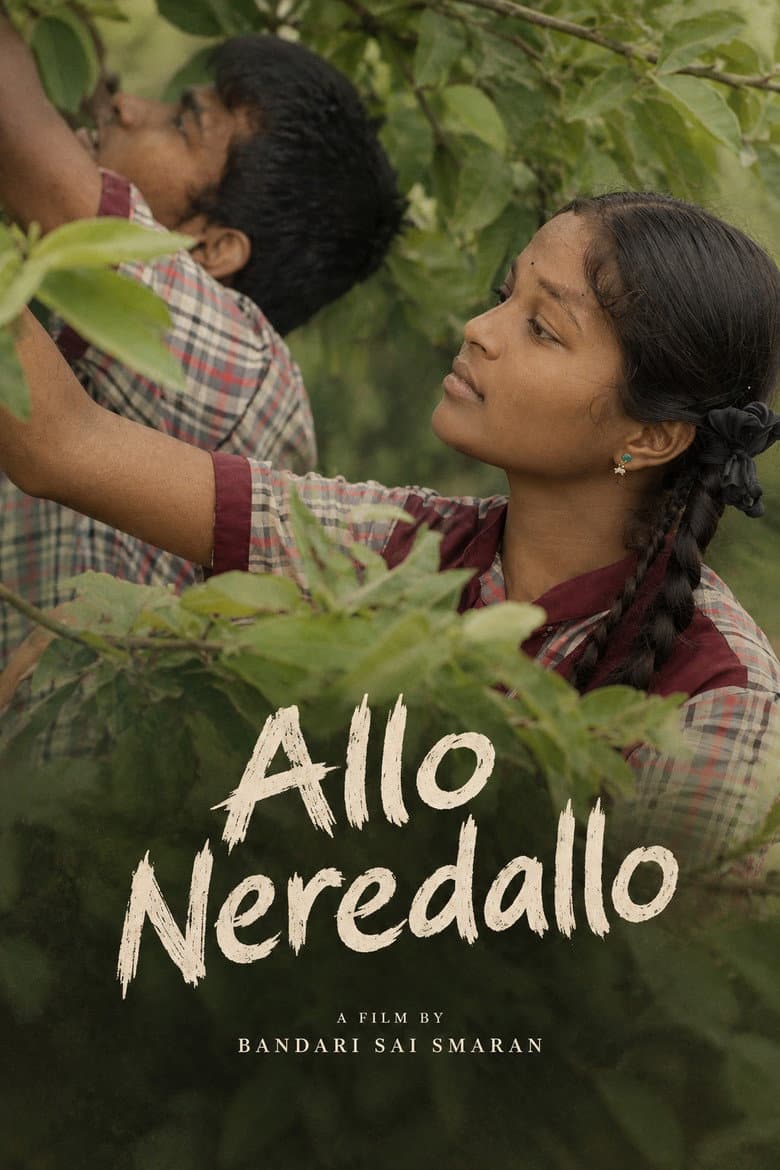
There is a particular kind of hurt that doesn't leave a mark. It's the sort that lodges itself in the space between two people who once told each other everything. Bandari Sai Smaran's upcoming short film, Allo Neredallo, seems built entirely around that quiet, unspoken ache. Set to arrive in just under two weeks, this Telugu-language piece looks to be a tender, uncomfortable portrait of what happens when childhood innocence collides with the rigid architecture of tradition.
Release Date & Where to Watch
Mark your calendars for October 29, 2026. That's when Allo Neredallo makes its debut. Given its compact 25-minute runtime, expect this one to land on a dedicated streaming platform rather than a traditional theatrical rollout. Short films of this nature often find homes on regional OTT services or curated festival platforms, so keep an eye on Tollywood's digital spaces as the date approaches. It's a quick watch - barely the length of a sitcom episode - but the kind of story that tends to linger long after the credits have rolled.
Cast & Crew
The film is directed by Bandari Sai Smaran, a name that cinephiles who track independent Telugu cinema should start noting now. Heading the cast are the actors playing Ganga and Suresh, the two young friends at the heart of the narrative. While the full ensemble remains under wraps, the leads carry the considerable weight of a story that hinges almost entirely on their chemistry and their silences. The production is rooted firmly in Tollywood, and the original language is Telugu - this is a story that belongs to the soil of rural Telangana, and the filmmakers seem committed to that authenticity. As of now, the film sits at a 0/10 rating on TMDb, simply because no one has seen it yet. That's not a red flag; it's an empty page waiting for its first entry.
Story & What to Expect
Here's where Allo Neredallo gets genuinely interesting, and undeniably delicate. The plot follows Ganga and Suresh, close friends in rural Telangana whose bond is about to be fractured by circumstance. Ganga is preparing to leave for the city, and the impending separation hangs over every moment they share. Then comes the incident that changes everything: during a playful exchange, Suresh accidentally hurts Ganga. He misreads her first menstrual cycle as an injury - a misunderstanding born of innocence and the lack of honest conversation that still surrounds adolescent health in many communities.
From there, the film pivots into heavier territory. Traditional rituals pull Ganga away, isolating her in preparation for marriage. The friendship that once felt effortless is suddenly burdened by silence, distance, and the relentless pressure of growing up. What's striking about this premise is how it refuses to villainize anyone. The adults enforcing the rituals aren't monsters; the children aren't rebels. It's a story about systems - cultural, familial, biological - that create distance between people who never wanted to be apart. Expect a narrative that builds through small, observational details rather than grand dramatic gestures. The 25-minute format is a smart choice here; it demands precision. There's no room for filler, which suggests a film that will cut straight to the emotional bone.
Why It's Worth Watching
First, there's the subject matter. Menstrual health and its entanglement with ritual and shame remains a topic Telugu cinema rarely confronts with this level of specificity. Placing it within a childhood friendship framework makes it more accessible and more devastating at once. When Suresh misinterprets what's happening to Ganga, he isn't being cruel - he's simply a boy who was never told the truth. That gap in knowledge is the film's quiet indictment.
Second, there's the craft promise of a debut filmmaker working with a tightly wound, personal story. Bandari Sai Smaran is working in a register that recalls the best of regional independent cinema - grounded, humane, and unafraid of uncomfortable silences. The rural Telangana setting isn't just backdrop; it shapes the rules of the world these characters inhabit.
Third, and perhaps most importantly, Allo Neredallo looks like a film that trusts its audience. It isn't going to explain every emotion or underline every theme. It's 25 minutes of two young people learning that some distances can't be closed with an apology. That's a bold, bittersweet proposition - and exactly the kind of small film worth paying attention to before the rest of the world catches on.