The village is not a phase Telugu cinema passed through. It is the ground the industry keeps returning to, and Rural Telugu Dramas And Their Enduring Pull is easier to understand once you stop treating the setting as nostalgia. For readers who follow Tollywood from outside Andhra Pradesh and Telangana, the useful starting point is a definition. A rural drama here means a feature whose story, social order and emotional stakes are rooted in a village or small town. It is not merely a film that happens to have a farming backdrop. The distinction matters, because a city story shot in a field is still a city story.
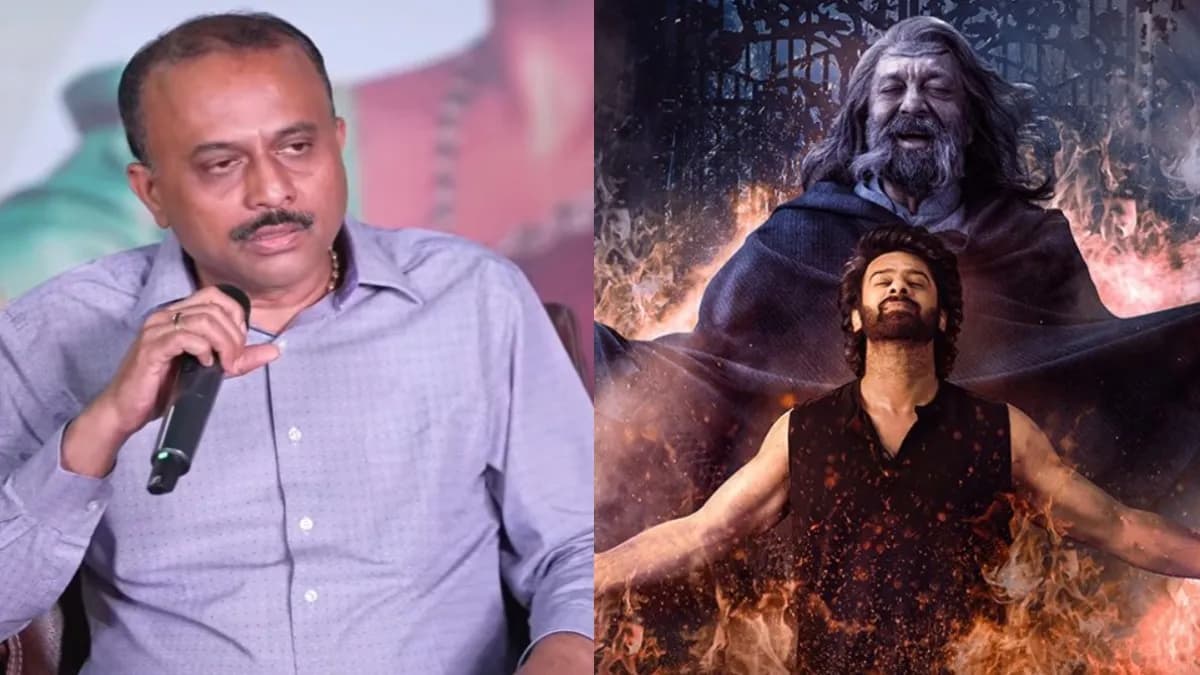
 Photo: Rayalaseema Ramanna Chowdary
Why The Village Has Always Been Telugu Cinema's Default World
The strongest proof of longevity is the Rayalaseema faction drama. This is a story built on kinship loyalty, retaliation and honour, set in the dry uplands of the Rayalaseema region. It has survived every change in audience taste because its engine is not spectacle. Its engine is obligation. A man is bound to his family, his family is bound to its word, and the word cannot be withdrawn without blood. No other Telugu template has proved so adaptable across generations of filmmakers.
The setting's real value, though, is structural rather than sentimental. A village arrives with hierarchies already in place. Extended families come with elders, dependents, inherited resentments and fixed positions, so opposition between brothers, uncles and cousins needs no setup at all. The screenplay can begin in the middle of a quarrel that is forty years old.
Land, water and caste give that quarrel a physical shape. A disputed field, a shared borewell, a boundary stone moved overnight: these are concrete things to fight over, unlike an abstract rivalry between business rivals in a glass tower. A regional Telugu accent does double duty as well. It tells the audience where a character stands socially before a single line of exposition is spoken. That is a remarkable economy for any writer.
Economics matter too, and this is a point outsiders often miss. A village setting buys production value cheaply. Real locations, natural light, existing houses and crowds drawn from the locality let a filmmaker afford scale without spectacle. The money saved on sets can go into playing time, into faces, into the slow accumulation of detail that gives these films their weight.
The Same Soil, Two Very Different Cinemas
One setting supports extremes. The same landscape carries films built on bloodshed and films that are quiet, warm and almost plotless, because the village supplies order, not tone. The director chooses the temperature. That range is precisely what keeps Rural Telugu Dramas And Their Enduring Pull alive as a subject rather than a museum piece.
What Keeps Drawing Filmmakers And Audiences Back
Character density is the first answer. A village cast allows a large ensemble to be individually recognisable rather than a faceless crowd. The tailor, the moneylender, the brother-in-law who married into the neighbouring hamlet: each carries a position, a history and a set of debts. The audience learns them the way it learns real neighbours, by watching them behave.
Moral legibility follows from that. Obligation to family and community creates high stakes without exposition. When a character is asked to choose between a promise and a profit, no narrator is required.
Then there is familiarity that travels. Audiences outside the Telugu states still read the family structure instantly, even when the specific customs do not translate. The British Film Institute has long noted how regional Indian cinemas convert local social forms into broadly legible drama, and Indian cinema scholarship collected through JSTOR makes the same point about kinship as narrative infrastructure. Rural dramas also reward re-watching, because the plot is rarely the only pleasure on offer.
The Craft And The Risks
When It Works
Specificity of place beats generic greenery every time. A named district, a particular crop, a particular accent: these convince. Performers cast for dialect authenticity rather than only for draw give scenes a texture no dubbing can imitate. Stakes drawn from the local economy, harvests, debts, boundaries, migration, keep the drama current rather than folkloric.
Where It Slips
It slips when the village is flattened into an exotic backdrop, all mustard fields and wise grandmothers. It slips when caste and land disputes are reduced to decorative conflict, present in the frame but never in the argument. It slips when the same villainous landlord template is recycled without fresh observation. None of these failures is a failure of the setting. Each is a failure of attention.
What To Watch For
The genre endures because it is adaptable. As small towns change, the rural drama absorbs new material: migration and remittances, the slow reach of the city, the mobile phone in a house that still negotiates marriages through elders. The village on screen keeps being rewritten because the village itself keeps changing. TeluguMovieBuzz will keep tracking how this world is written, cast and shot.