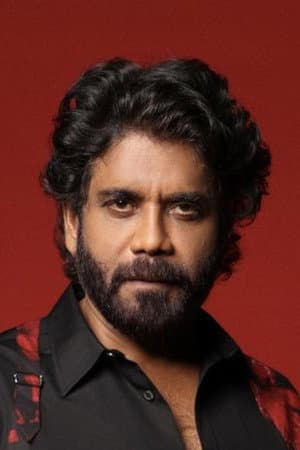
Few names in Indian film carry a body of work as varied as Nagarjuna Akkineni. Over four decades he has moved between mass films, romance, comedy, devotional drama and, more recently, the pan-Indian fantasy spectacle. That range has made him known well beyond the Telugu-speaking states. This piece traces the career through the films themselves, because the work is the best argument for the name.
For readers outside the region, a definition first. Telugu cinema is the Telugu-language film industry, based largely in Hyderabad, and one of the largest film industries in India by output. Its films regularly travel across the country and to audiences abroad. Nagarjuna belongs to its first family of performers: he is the son of Akkineni Nageswara Rao, a major figure in Telugu film. Long partnerships define his own career, along with a willingness to move between crowd-pleasing mass films, romance and stories of saints.
Key films and what each contributed
A breakthrough in the 1980s and early 1990s
Nagarjuna's debut as a leading man came with Vikram (1986), the film that established him as a face audiences would follow. The breakthrough years that followed showed an instinct for new voices. Geethanjali (1989), Mani Ratnam's romantic tragedy, and Siva (1989), Ram Gopal Varma's crime drama, were early milestones. Both saw him seeking out directors who would define the next generation of Indian filmmaking. That willingness to work with the new and the untested runs through everything that follows.
Building a mixed filmography
The spine of his varied output took shape across comedy, romance and devotional cinema. Hello Brother (1994) and Ninne Pelladata (1996) kept him at the centre of the romantic and comic mainstream. Santosham (2002) and Manmadhudu (2002) extended that run into the new decade, and Mass (2004) gave him the outright crowd-pleaser. Alongside these, Annamayya (1997) and Sri Ramadasu (2006) showed that devotional subjects are an important strand of his filmography rather than a side project. In both, he played the historical figures at the centre of the stories.
Collaborations and later choices
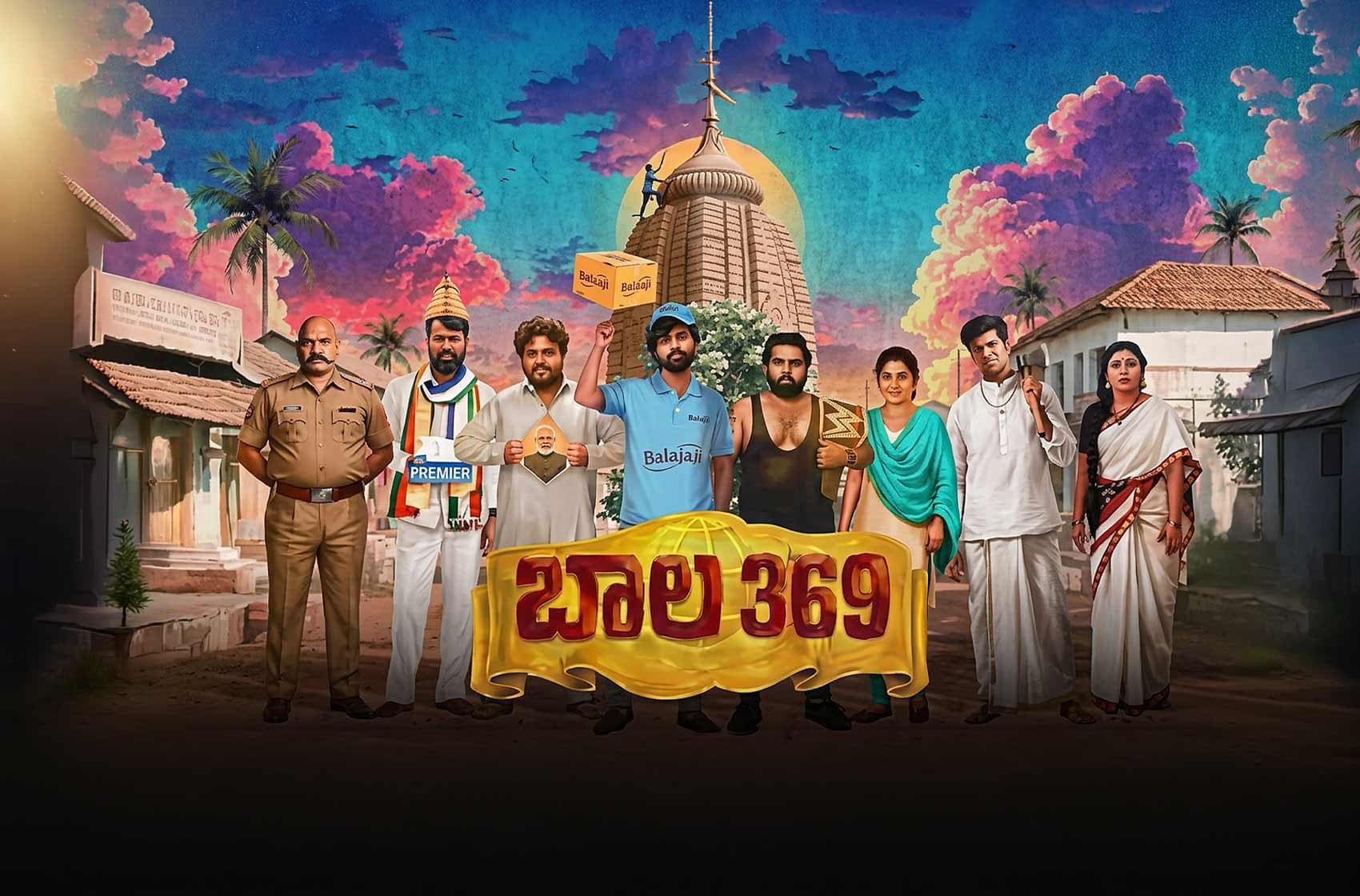
Later choices widened the canvas. Manam (2014) brought three generations of his own family into one film, with Nagarjuna playing multiple roles. Oopiri (2016) and Brahmāstra: Part One - Shiva (2022) marked his move into wider productions, the latter a pan-Indian fantasy film. Hello! (2017), which he also produced, showed his side as a backer of new talent. The confirmed filmography continues to grow: Kuberaa (2025), with him as Deepak Tej, and the 2026 credits Lenin as producer and Anaganaga Oka Raju as narrator. Each points to a performer who keeps working on both sides of the camera.
Recurring roles, recurring subjects
The pull of myth and devotion
Annamayya (1997) and Sri Ramadasu (2006) are the clearest examples of his recurring interest in devotional subjects and historical figures. A devotional film, for readers outside the region, retells the life of a saint or a deity, usually sung through and built on classical music. Playing these figures asks for a different register from a mass film. The fact that he returned to the form across a decade suggests it matters to him rather than merely serving as variety in a release calendar.
The producer's instinct
Manam (2014) and Hello! (2017) were films he backed as well as led, and the producer credits on Lenin (2026) extend that role. The pattern shows an artist who uses his position to get stories made, not only to appear in them. A leading man who can greenlight a film wields a different kind of influence from one who only chooses between the roles offered to him.
Where Nagarjuna sits in Telugu cinema, and why outsiders should know the name
His career spans the years in which Telugu cinema grew from a strong regional industry into one whose films travel across India and beyond. That growth is visible in his own choices: from the romance and crime dramas of the late 1980s, through the mass films and devotional works of the 1990s and 2000s, to Oopiri and Brahmāstra: Part One - Shiva in the years since. His career is also a record of Telugu cinema's own expansion, and a useful introduction to the variety on offer for readers new to the industry. For a wider view of the industry itself, see the Telugu cinema overview and the Akkineni family background.
The argument for his name is simple. He is one of the industry's longest-serving leading men, and his filmography moves between mass films, romance, devotional drama and pan-Indian fantasy, showing that a leading man in Telugu cinema can hold several kinds of films at once. For anyone meeting Telugu cinema for the first time, Nagarjuna Akkineni: A Career In Telugu Cinema is a good place to begin, because his range is a map of the industry's own.