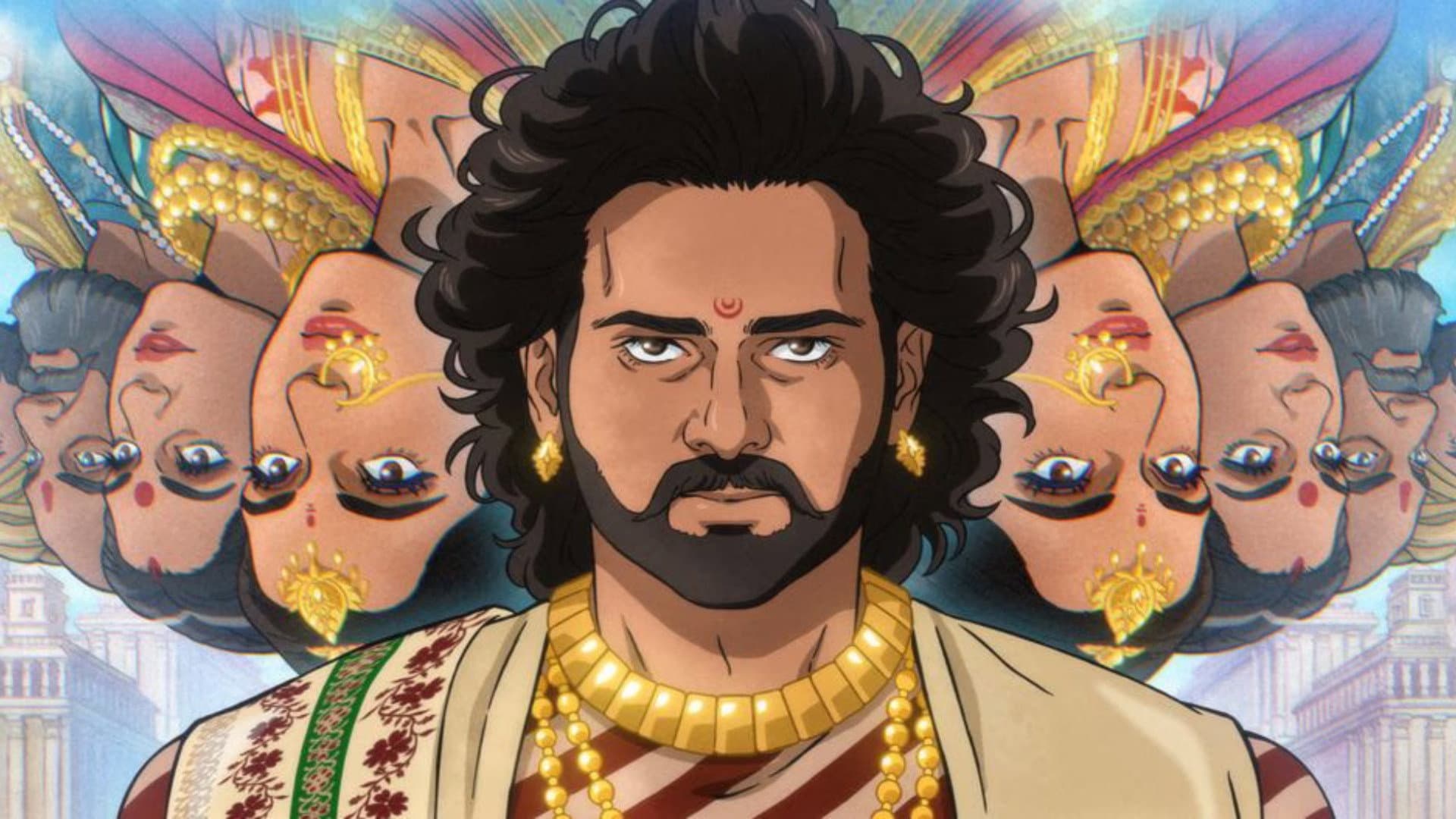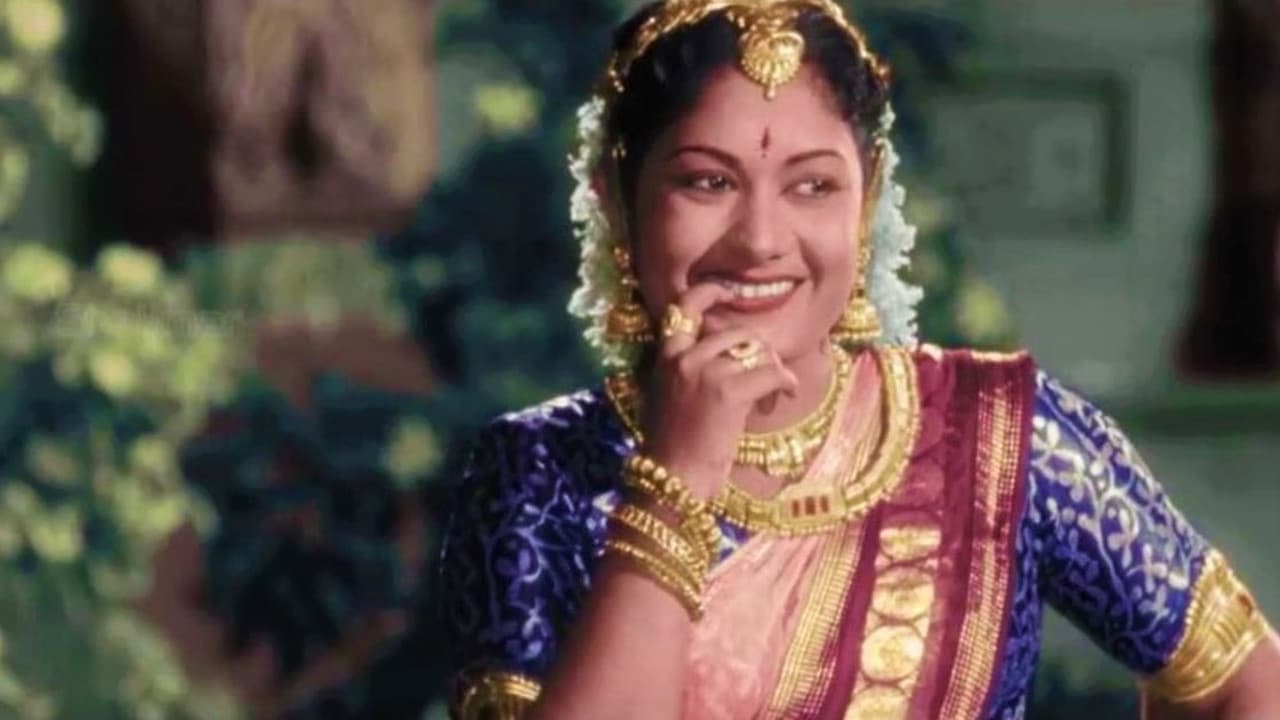
Some films are remembered. A handful become the measure against which everything else in a language is judged. Mayabazar belongs to the second group, and it has held that place for generations of Telugu viewers.
Directed by K. V. Reddy and produced by Vijaya Vauhini Studios, Mayabazar is a mythological fantasy built on an episode from the Mahabharata. Its cast includes N. T. Rama Rao, S. V. Ranga Rao and Savitri, and its music is by Ghantasala. Polls of the greatest Indian films routinely name it, and a later colourised version carried it to viewers who had never seen it in a theatre. For anyone exploring Mayabazar And The Golden Age Of Telugu Fantasy Films, this is the natural place to begin.
Two terms are worth unpacking for readers who follow Telugu cinema from outside the two states. "Mythological" was not a one-off subject in the mid-century industry. It was a full studio genre with its own conventions, its own acting style and its own audience expectations, and it drew on epic and folk narrative that viewers already knew by heart. "Colourisation" is the later process by which an older black and white film is given colour, frame by frame, so that it can reach audiences who might otherwise never sit down to watch it.
Inside the Studio System
To understand why a film like Mayabazar looks and moves the way it does, you have to look at the machinery behind it. The mid-century Telugu industry was studio-based. A production house held its own floors, its own technicians and its own contract artists. A film was largely assembled under one roof rather than pieced together across scattered units. That is what the phrase "golden age" actually describes. It is not simply a compliment about quality. It names a working method, one in which a single organisation controlled writing, design, shooting, music and post-production as a continuous process.
Three working methods shaped what reached the screen.
Mythological and folklore subjects were the default premium genre. Because audiences already knew the epic and folk stories, the film's pleasure lay in the telling rather than in the surprise. A viewer walked in knowing how the tale ended and came back for the way it was performed.
Effects work was done in-camera. Illusions were created on the set during filming, through staging, mattes, miniatures, double exposure and trick framing, rather than added afterwards by a separate effects house. The magic had to exist in the room where the camera stood.
Songs worked as narrative rather than interruption. A song was not a pause in the story. It advanced character, carried information and did work the dialogue did not. Ghantasala's music for Mayabazar belongs to this logic and is the clearest example to reach for, because the songs there are part of how the story is told, not a break from it.
The cast earns its place beyond a list. N. T. Rama Rao, S. V. Ranga Rao and Savitri each represent a different register the genre could hold, from the heroic to the comic to the emotionally grounded, and a studio system built to use all three at once is part of why the film still feels full rather than thin.
What the colourised version changed
The later colourised release did not alter the film. It altered who could meet it. Viewers who had grown up on colour cinema came to a story built on in-camera illusion, and found the staging readable rather than dated. The colour did not create the appeal. It removed an obstacle.
Why It Still Reads as Modern
The film's endurance rests on three things a new viewer actually notices.
First, the effects are modest by any later standard, and the film does not pretend otherwise. It directs attention to performance and staging instead of to spectacle. That is precisely why the illusion still works. A trick that announces itself as a trick ages badly. A trick that serves a scene ages with the scene.
Second, the comedy and the emotional turns sit inside the mythological frame rather than being bolted on beside it. A viewer who does not know the Mahabharata episode can still follow the human stakes, because the humour and the feeling grow out of the situation rather than interrupting it.
Third, the film is named in polls of the greatest Indian films because of craft decisions that outlast their technology, not because of the technology itself. The staging, the performances and the songs were choices, and choices survive their equipment.
Mayabazar is the doorway. The studio era around it is the room. A genre that was once the industry's most ambitious undertaking remains its most exportable, because the stories travel and the staging explains itself. Nothing in that equation depends on novelty. It depends on craft, and craft does not expire.