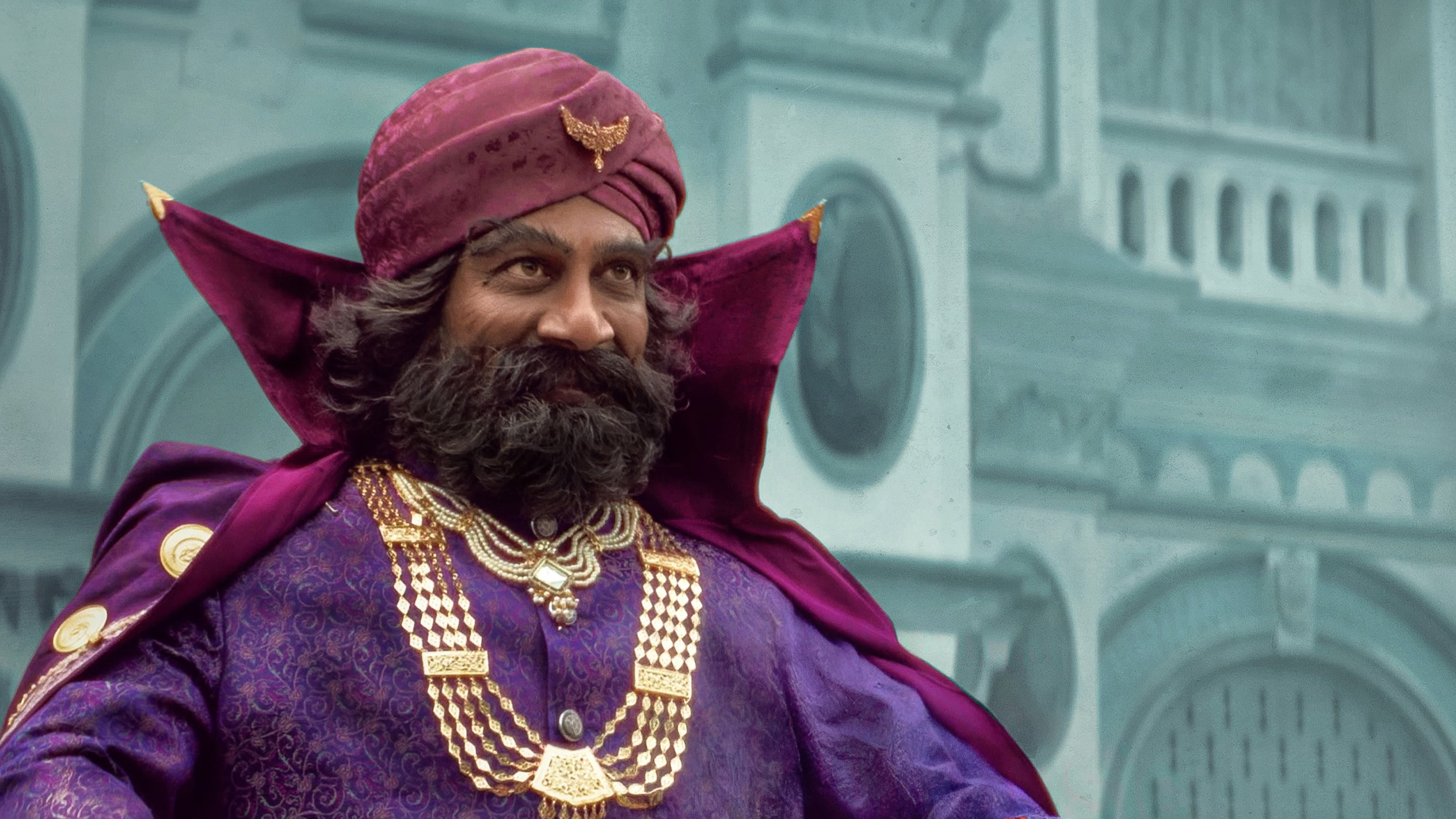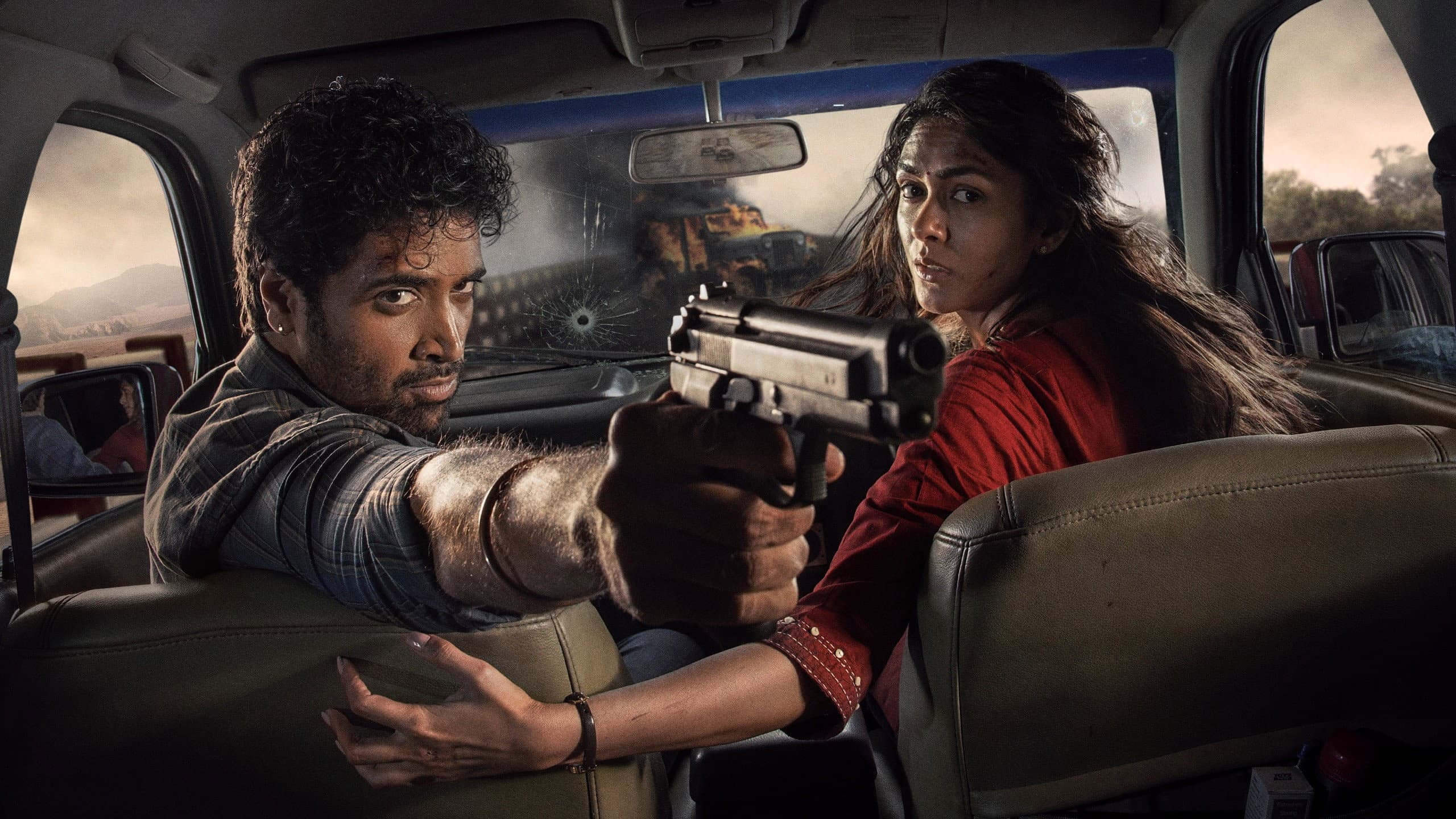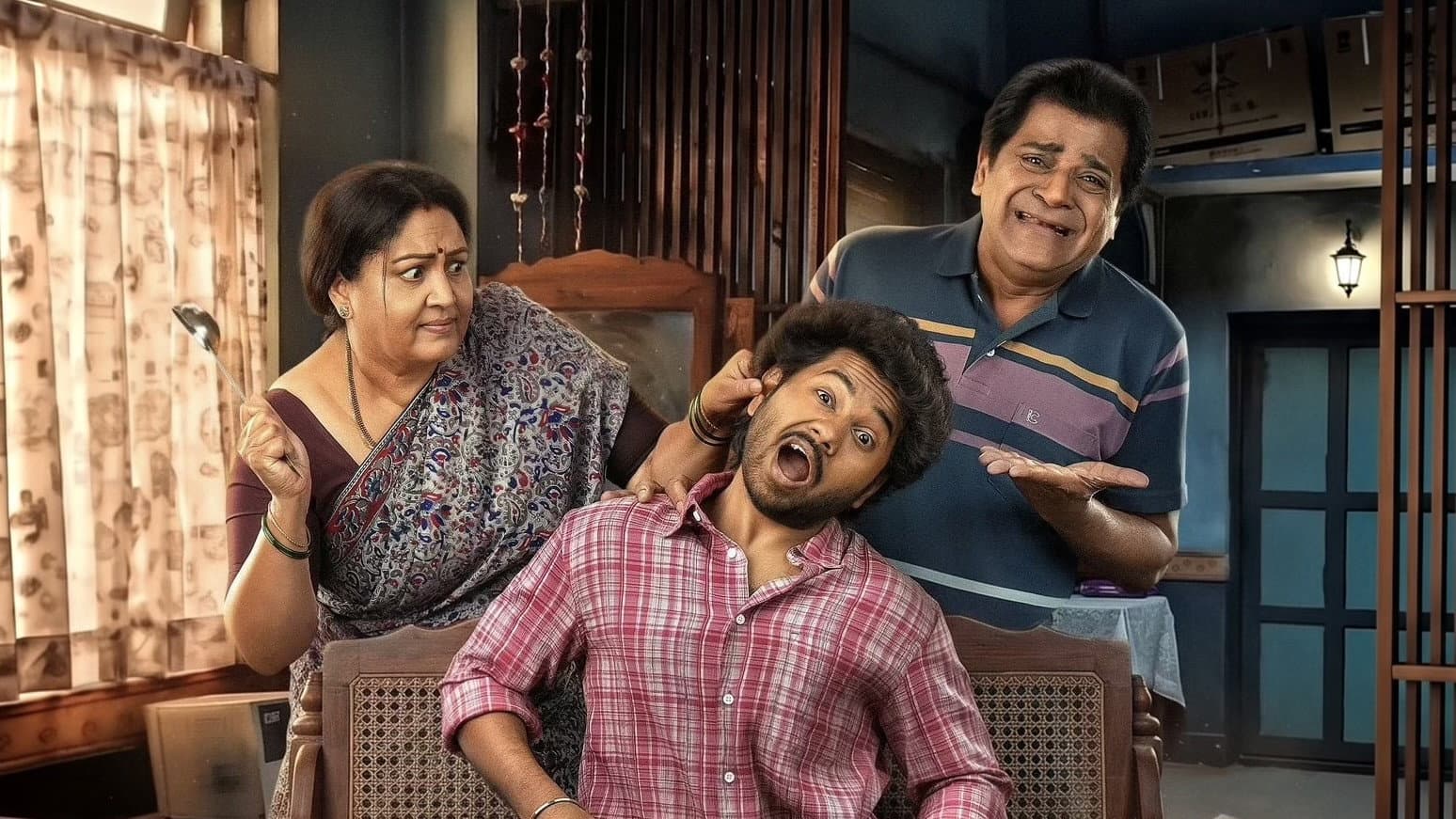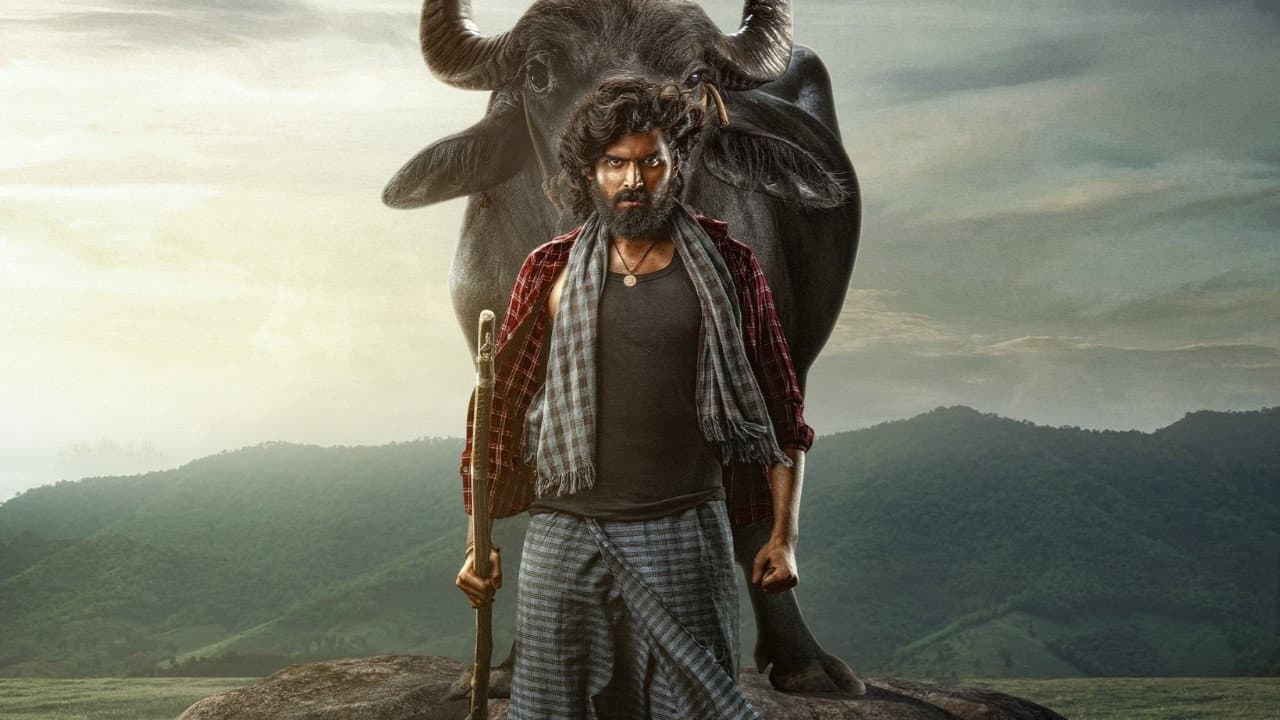
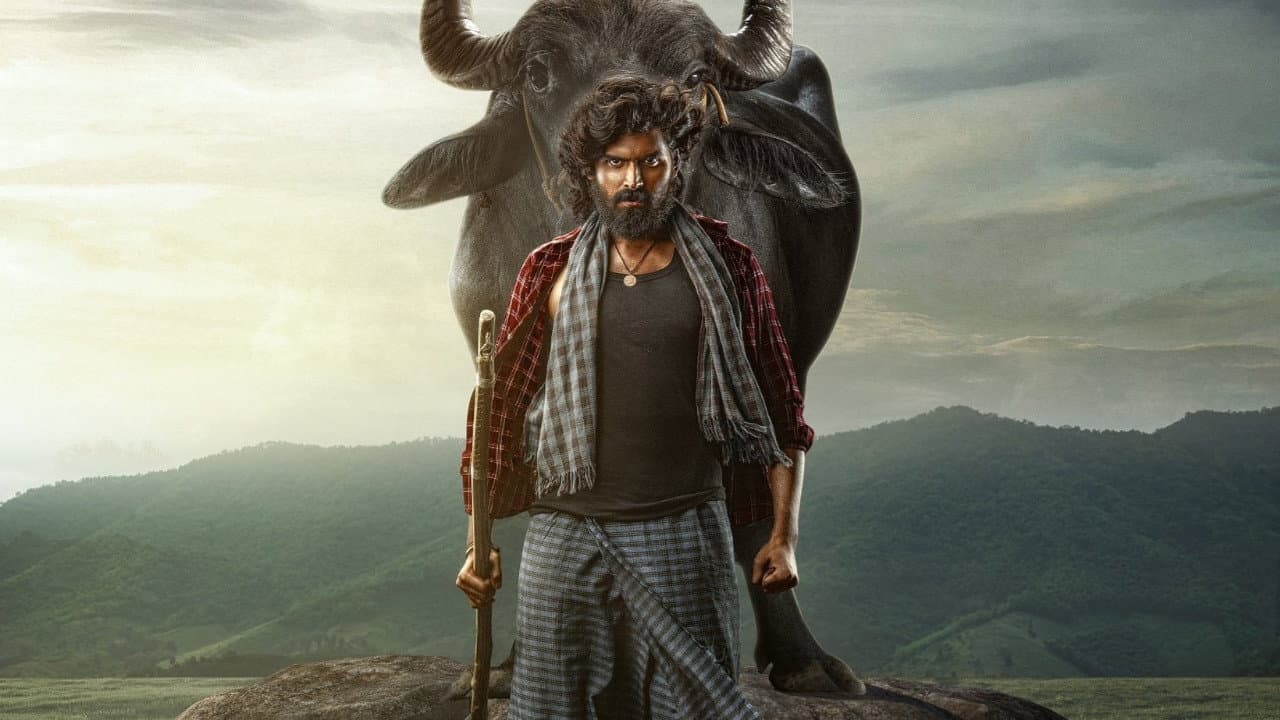
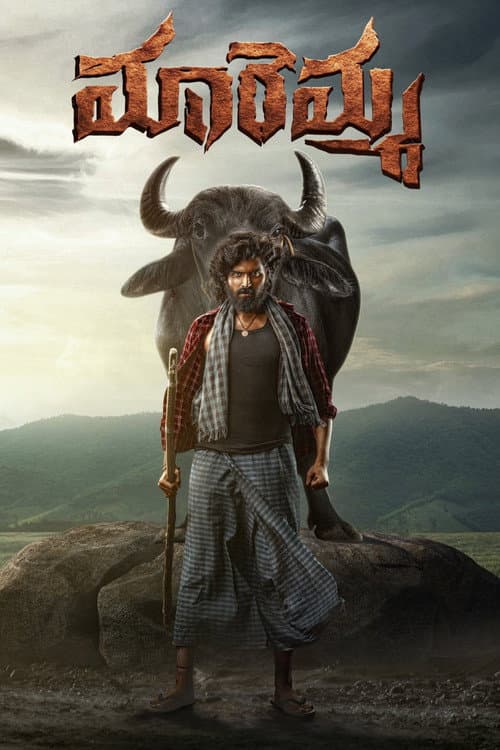
There is a particular kind of silence that hangs over a village when tradition and terror share the same altar. That silence is the beating heart of "Maremma," director Manchala Nagaraj's sweeping new Action-Drama that arrives in theatres today, September 10, 2026, carrying with it the weight of a curse and the stubborn hope of a people desperate to outwit fate.
The premise alone is enough to send a chill down the spine of any Tollywood viewer who appreciates storytelling rooted in the soil of rural India. In a village bound by ancient customs, the Maremma Goddess festival is observed with a reverence that borders on dread. Every twelve years, a male bull is sacrificed to the deity. It is a ritual meant to appease, to protect, to ensure prosperity. Instead, it brings ruin. Calamity follows each ceremony like a shadow that refuses to detach itself from the feet of the faithful. The elders have watched their fields wither, their children fall ill, and their fortunes collapse with the precision of a divine punishment they cannot comprehend.
For generations, they have accepted this as the price of devotion. Not anymore.
Determined to break a cycle that has drained the village of its vitality, the elders enact a radical new decree. Any household whose bull bears a male calf within the next one hundred days must offer that calf to the goddess. It is a gamble wrapped in faith and desperation, a ticking clock that transforms every sunrise into a countdown. One hundred days. Every farmer, every family, every pair of eyes fixed on the cattle shed with equal parts prayer and panic. Will the bulls deliver male calves? Will the villagers comply when the moment of reckoning arrives? And perhaps most crucially, will the goddess accept this amended covenant, or will she exact a heavier toll for their audacity?
Nagaraj, a filmmaker known for his unflinching rural narratives, seems to have crafted "Maremma" as less of a straightforward revenge saga and more of a moral pressure cooker. The film's 135-minute runtime suggests a slow, deliberate build, one that allows the audience to steep in the anxieties of a community that cannot distinguish between faith and fear. This is not a story about heroes in shining armour. It is a story about ordinary people making impossible choices, about the suffocating weight of tradition and the terrifying freedom of defiance.
Leading the cast are Maadhav Bhupathiraju and Deepa Balu, two performers whose presence alone signals an emphasis on grounded, performance-driven storytelling. Bhupathiraju, with his rugged intensity, appears to embody the conflicted patriarch or perhaps the sceptic who dares to question. Balu, equally formidable, likely lends the narrative its emotional spine, whether as a mother protecting her household or a woman whose faith is tested beyond endurance. Their chemistry, or their conflict, will likely determine whether "Maremma" transcends its premise to become something genuinely memorable.
What is most striking about the film's concept is its refusal to paint the villagers as simple fools or the goddess as a straightforward villain. The sacrifice is born of devotion. The decree is born of exhaustion. The hundred-day deadline is born of a desperate, almost mathematical attempt to negotiate with the divine. In that sense, "Maremma" taps into a universal truth: when people feel powerless against forces beyond their control, they will invent rules, rituals, and deadlines just to feel like they are doing something. It is profoundly human, and it is the kind of thematic richness that Telugu cinema, at its best, has always embraced.
That TMDb currently lists the film at zero ratings is unsurprising. The film released today, and early audience scores are notoriously volatile for regional releases with heavy mythological and folk undertones. What matters more is whether word of mouth will carry "Maremma" beyond its opening weekend. In Tollywood, where spectacle often rules, a film that prioritises dread, deliberation, and divine ambiguity is a rarity. It is a risk. But it is also exactly the kind of risk that produces enduring cinema.
The title itself is intriguing. "Maremma" refers to the goddess, but it also evokes a maternal, almost protective figure. Yet this mother demands blood. She demands bulls. She demands obedience. And when obedience fails, she sends calamity. The villagers are not fighting a demon or an invader. They are fighting their own protector. That is a far more terrifying antagonist than any sword-wielding villain.
As the one-hundred-day countdown begins on screen, audiences will find themselves counting along. Will the decree hold? Will a male calf be born? Will the goddess relent? Nagaraj has given himself a beautiful narrative engine, one that generates tension from the simplest of questions: what happens next?
For those who appreciate Tollywood cinema that roots itself in village soil, that treats faith as both a shield and a weapon, and that trusts its actors to carry the emotional load, "Maremma" is worth the price of admission. It opens today. The goddess is waiting.