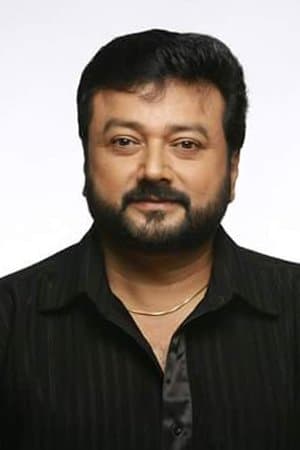
More than 200 film credits. That is the plain fact of scale at the centre of this career study, Jayaram: A Career In Telugu Cinema. He is known first for Malayalam cinema, and alongside that he has built a steady, varied presence in Telugu films.
Readers outside the region need one distinction up front. Malayalam and Telugu are separate film industries, with separate languages, separate star systems and separate audience habits. A performer can be a household name in one and a familiar face in the other. That is roughly where Jayaram sits for Telugu audiences.
The other term worth explaining is character artist, also called a supporting performer. It is the credited role that carries a film's older figures, authority figures and family elders rather than its lead. This is often where an experienced performer does the most varied work.
In 2011 the Government of India conferred the Padma Shri on Jayaram, a civilian honour given for contribution to the arts. That recognition sits on top of a career that moves between comedy, family drama, mythic material and mass action, and in none of them does the performer look out of place.
The Telugu Films And What Each Added
Family Drama And The Emotional Centre
Two films place the performer near the emotional centre of a household story. In Hi Nanna (2023) he appears as Mahi's grandfather. The story turns on a child, her single father and a fractured family, and Mahi's curiosity about her absent mother drives a journey of discovery. In a film like that the older generation carries real weight rather than decorating the frame. Kushi (2023), where he appears as Thomas, belongs to the lighter register of family and romance.
The Mass And Commercial Frame
Mass cinema means the broad, crowd pleasing commercial film built around a lead. In these films the supporting cast is chosen for presence and recognition. Ala Vaikunthapurramuloo (2020), as Ramachandra, and Guntur Kaaram (2024), as Satyam, show the performer inside that frame, giving the audience a face it already trusts.
Authority, Myth And Scale
A striking share of this Telugu work sits inside institutions. Ravanasura (2023) casts him as ACP Hanumanth Rao, a police rank. Radhe Shyam (2022) makes him a ship captain. Dhamaka (2022) gives him the role of JP. Game Changer (2025) places him in a district administration setup as Bobbili Magadheera Munimanikyam, in a story about a newly appointed district collector confronting deep seated corruption.
The mythic and suspense register is just as busy. Mirai (2025) casts him as Agasthya Muni, in a tale of nine appointed warriors guarding ancient scriptures after the Kalinga battle. Bhaagamathie (2018) gives him the role of Eshwar Prasad.
Why The Name Travels
So where does this place the performer in Telugu cinema? As a dependable presence rather than a lead, the person directors cast when a film needs weight in a scene.
One more term helps here: an ensemble is a cast in which several recognised performers share the screen, so the audience reads the film through the faces around the lead. Many of the titles above are built that way.
For the outside reader, two reasons the name matters. First, viewers who meet Jayaram in a Telugu film are meeting a performer with a long career elsewhere, which is why the face feels lived in. The Padma Shri citation noted his contribution to the arts, and the award's official listing is a useful reference point.
Second, following a supporting career across films is one of the clearest ways to read how Telugu cinema changes its moods, from family drama to institutional thriller to large scale myth. The same face anchors a grandchild's story, then a district collector's reforms.
For a reader who wants an entry point, the short list is simple: Hi Nanna and Kushi for family drama, Ala Vaikunthapurramuloo and Guntur Kaaram for the mass frame, Ravanasura and Game Changer for institutional scale, Mirai and Bhaagamathie for myth and suspense. Background on the wider body of work is available through IMDb's profile.
That is the shape of Jayaram: A Career In Telugu Cinema. A body of work, not a headline. The films are the record, and they are there to be watched.