There is a moment in Srikanth Odela’s The Paradise where the dust of 1980s Secunderabad doesn’t just settle on the skin - it settles into the soul. Landing in theatres today, September 23, 2026, this 180-minute epic is not merely a film; it is a raw, visceral excavation of a forgotten chapter in Telugu history. It arrives with a thunderous weight of expectation, marking a stark departure for its lead star and a continuation of the gritty, grounded storytelling that Telugu cinema has been gravitating toward.
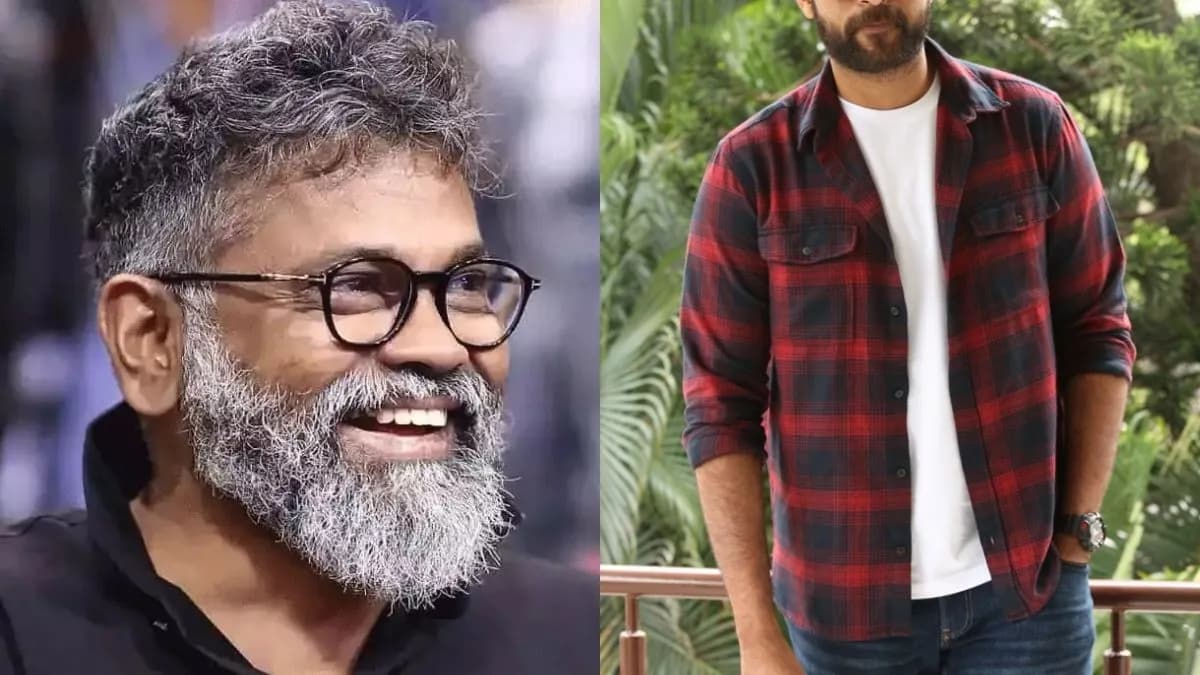
At the helm is Odela, whose previous work hinted at a fascination with the underbelly of society. Here, he scales that vision to a sprawling, three-hour saga. The film plunges us into a marginalised tribe’s desperate struggle for citizenship, a fight that is as much about legal recognition as it is about human dignity. The narrative is anchored by an unexpected leader, a figure who rises from the ashes of oppression to challenge a systemic machine designed to crush his people. It is a premise that drips with the kind of raw, volatile energy that defines the best of the Action and Thriller genres, yet it is the Drama that pulses at its core.
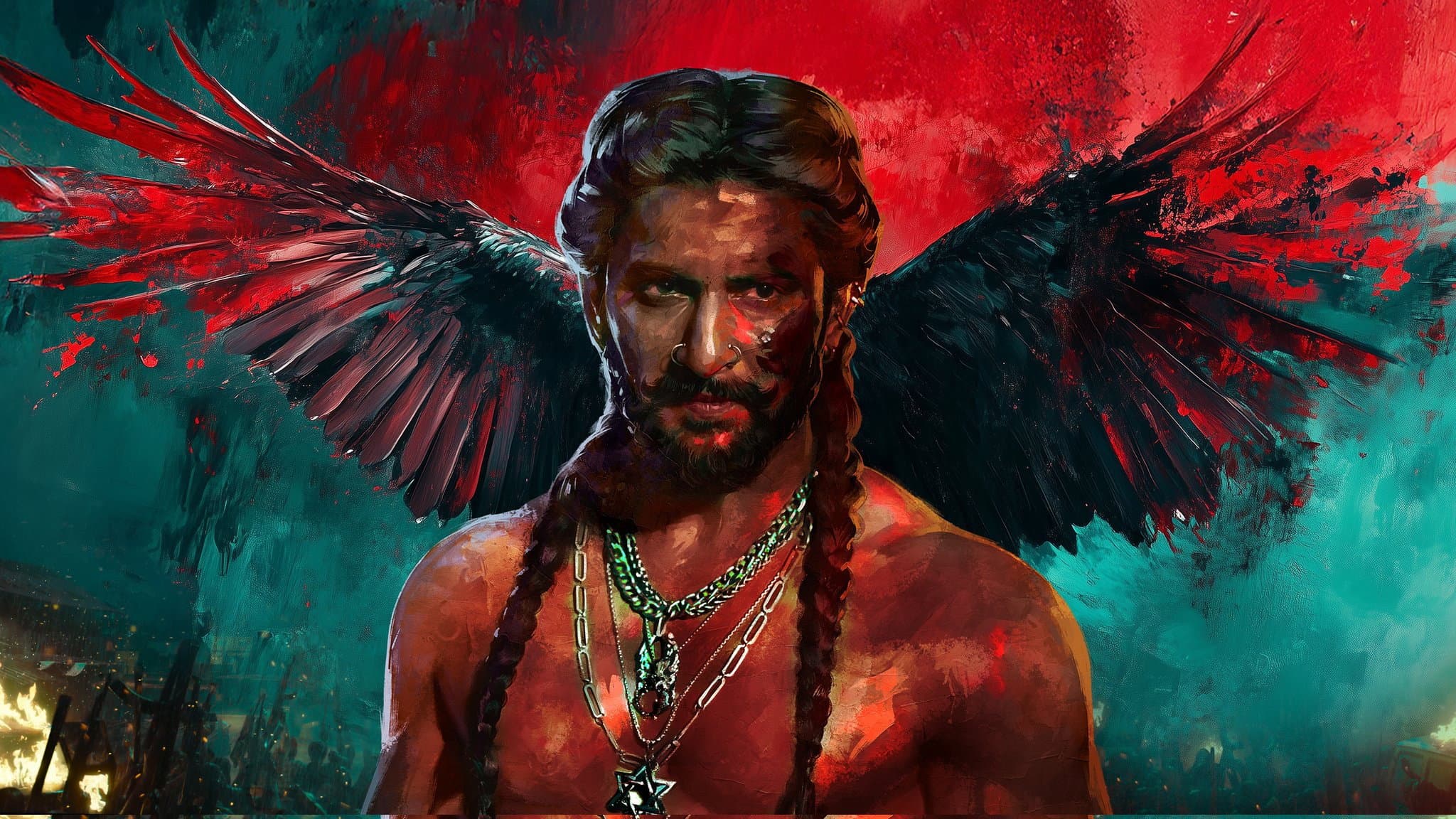
The biggest talking point, without a doubt, is Nani. Known for his boyish charm and romantic comedies, the actor has undergone a metamorphosis as Jadal Zamana. Gone is the urban polish; in its place is a wiry, ferocious intensity. Nani disappears into the role, his eyes carrying the weariness of a thousand battles and the fire of a man who has nothing left to lose. It is a performance of physical and emotional extremes, and it will force a reassessment of his range. Opposite him, Kayadu Lohar as Subbulakshmi, or “Subbu,” provides the film’s emotional anchor. She is not just a love interest but a fellow traveller in the struggle, her performance a quiet counterpoint to Nani’s explosive energy.
The supporting cast is a roster of heavyweights and surprises. Mohan Babu as Shikanja Maalik brings a commanding, almost mythological presence. He embodies the system - the unyielding, cruel machinery of the state. As his son, Vikram Maalik, Raghav Juyal continues to build on his reputation for playing complex, menacing characters, bringing a chilling modern sensibility to a period piece. Sonali Kulkarni as Sammakka delivers a solid, grounded performance, while the presence of Tanikella Bharani and Babu Mohan adds layers of lived-in authenticity. And in a piece of inspired casting, Sampoornesh Babu appears as Biriyani, a role that promises to be a memorable, perhaps scene-stealing, diversion.
Odela’s direction is unflinching. He does not romanticise poverty or struggle; he presents it as a suffocating, everyday reality. The 1980s Secunderabad is not a nostalgic backdrop. It is a character in itself - a dusty, stratified world where every street corner has a hierarchy and every institution is a fortress. The cinematography is likely to be a point of discussion, aiming to capture both the vastness of the struggle and the intimacy of its personal cost. If the film works, it is because Odela refuses to look away.
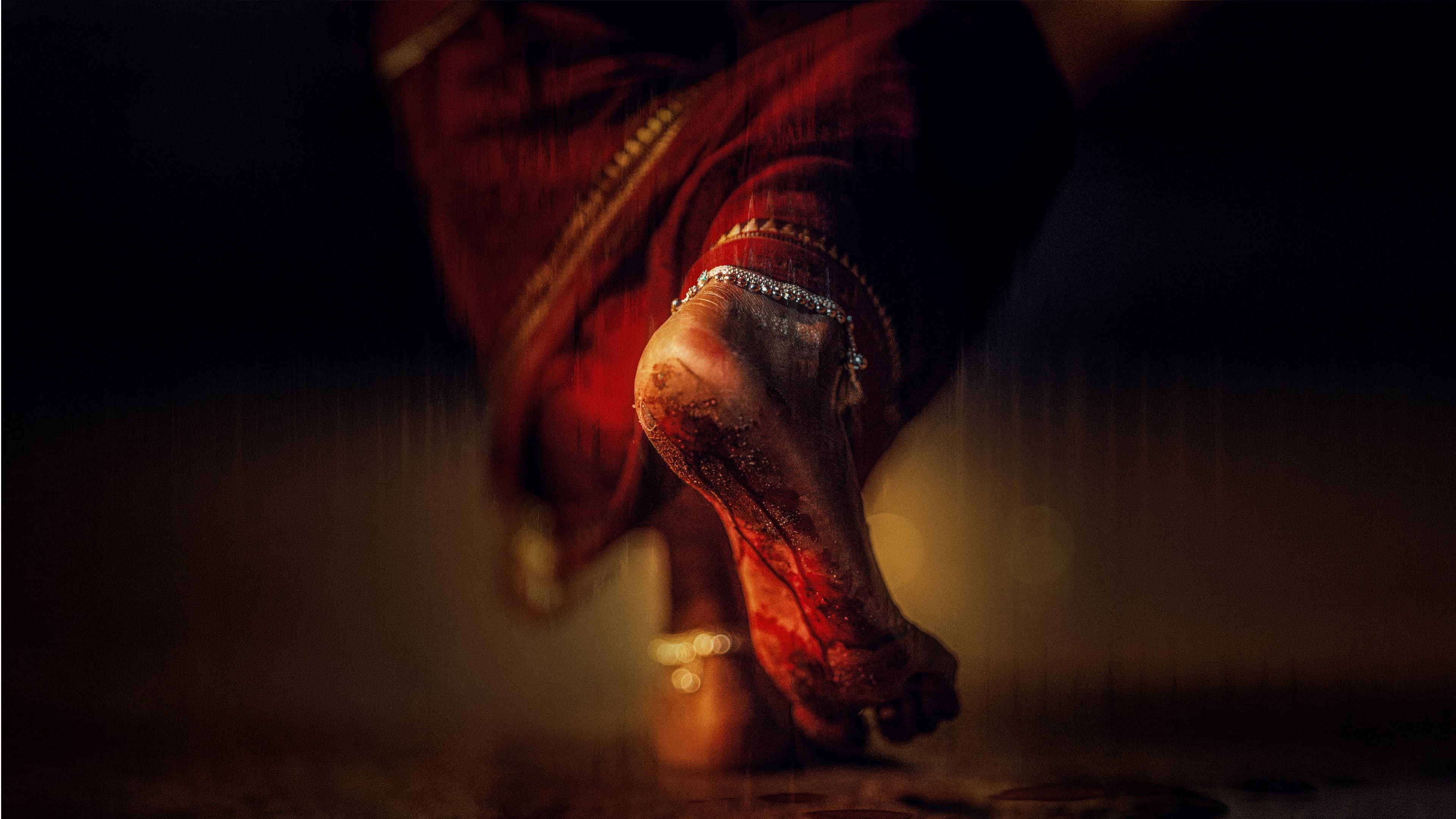
At its heart, The Paradise is a story about a fundamental question: Who belongs? The tribe’s fight for citizenship is a potent metaphor that resonates far beyond its specific historical setting. It is a universal tale of the disenfranchised demanding their place in the sun. The film’s title is laced with bitter irony - the “paradise” of the nation is one that has been denied to its protagonists. It is a bold and politically charged statement that is likely to spark conversation.
At 180 minutes, the film demands patience and investment. This is not a breezy watch. It is an immersive experience that asks its audience to sit in the discomfort of its characters. The runtime allows for a comprehensive development of Jadal Zamana’s journey from a man surviving to a leader fighting. The pacing, one suspects, will be deliberate, building tension before exploding into moments of visceral action.
For the Telugu film industry, The Paradise represents a fascinating intersection. It is mainstream star power harnessed to a fiercely political, arthouse-adjacent narrative. If it succeeds, it could open doors for more such ambitious, challenging stories to be told on a grand scale. It is a film that feels important, and it carries itself with the gravity of a work that intends to be remembered. Whether it fully achieves its lofty ambitions is a matter for the box office and the test of time, but as it hits screens today, it stands as a monument to a kind of fearless filmmaking that is the lifeblood of any thriving industry.