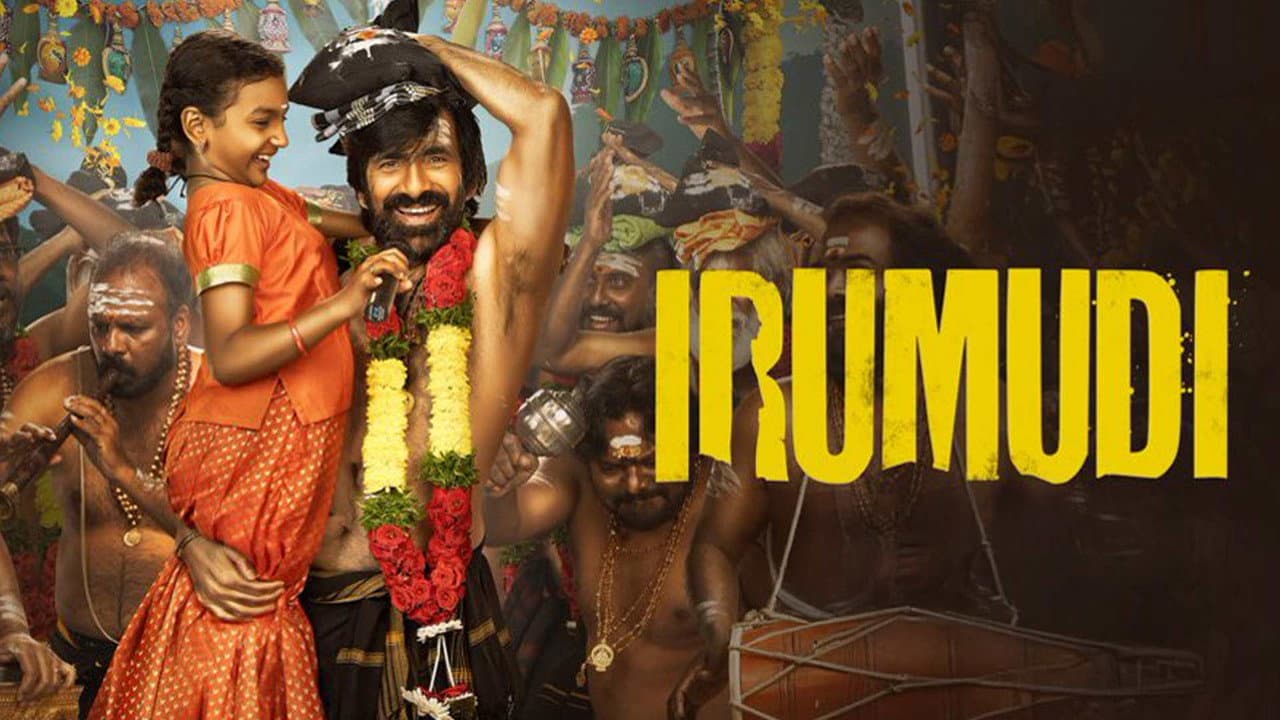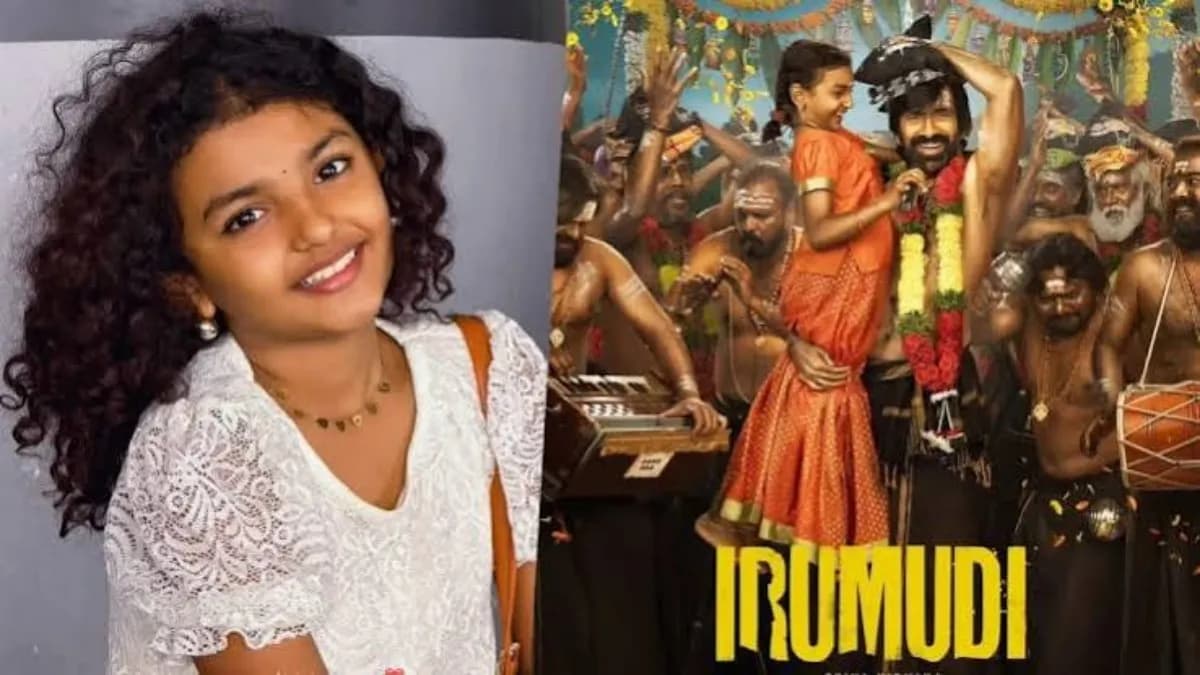
Nakshathra C M, the young actress who drew wide attention for her performance as Manikanta "Manamma" in the Telugu drama Irumudi, has quietly put her first earnings from the film to a purpose that has surprised fans and industry observers alike. Rather than spending her debut fee on the usual trappings that follow a breakout role, the actress chose to give back, a decision that has become the talking point of her young career.
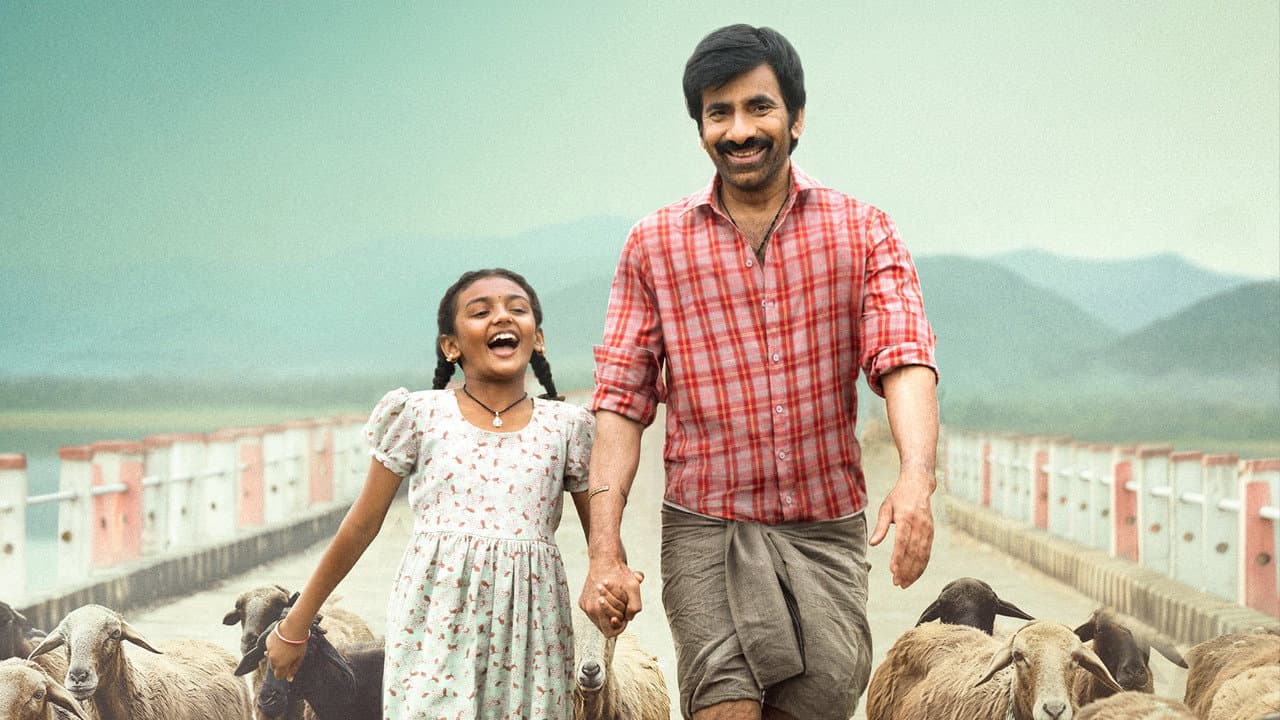
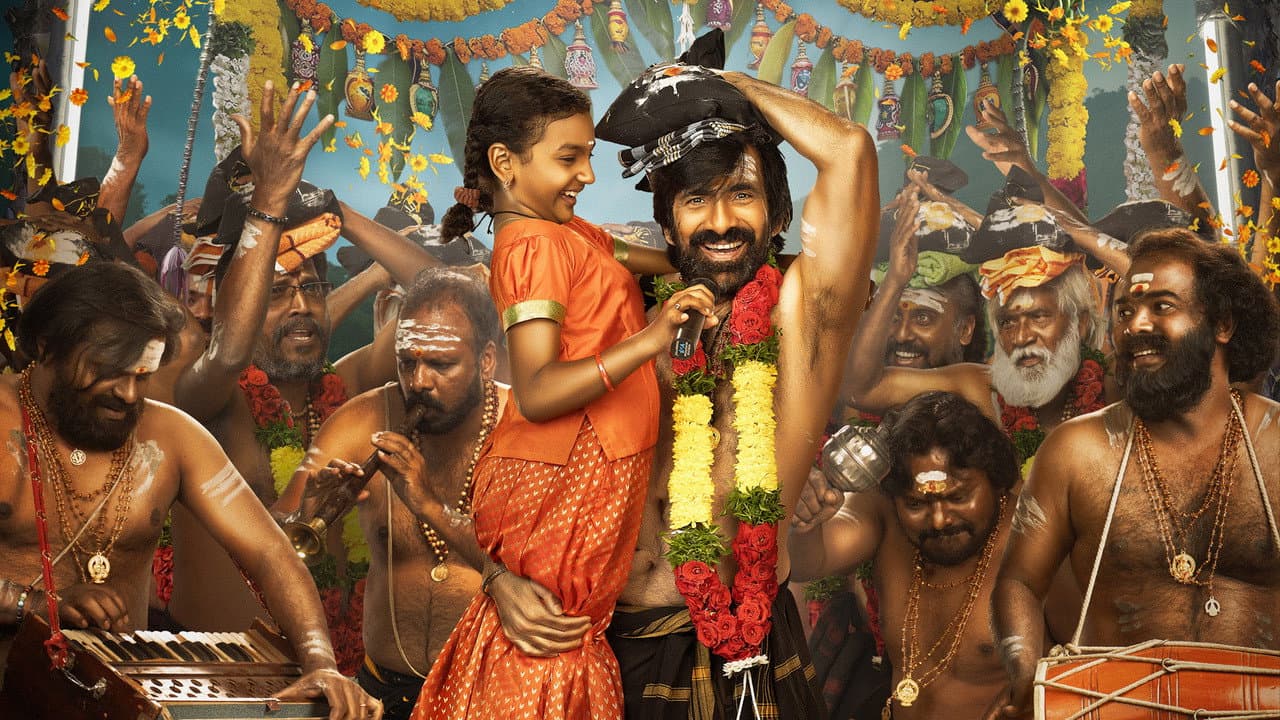
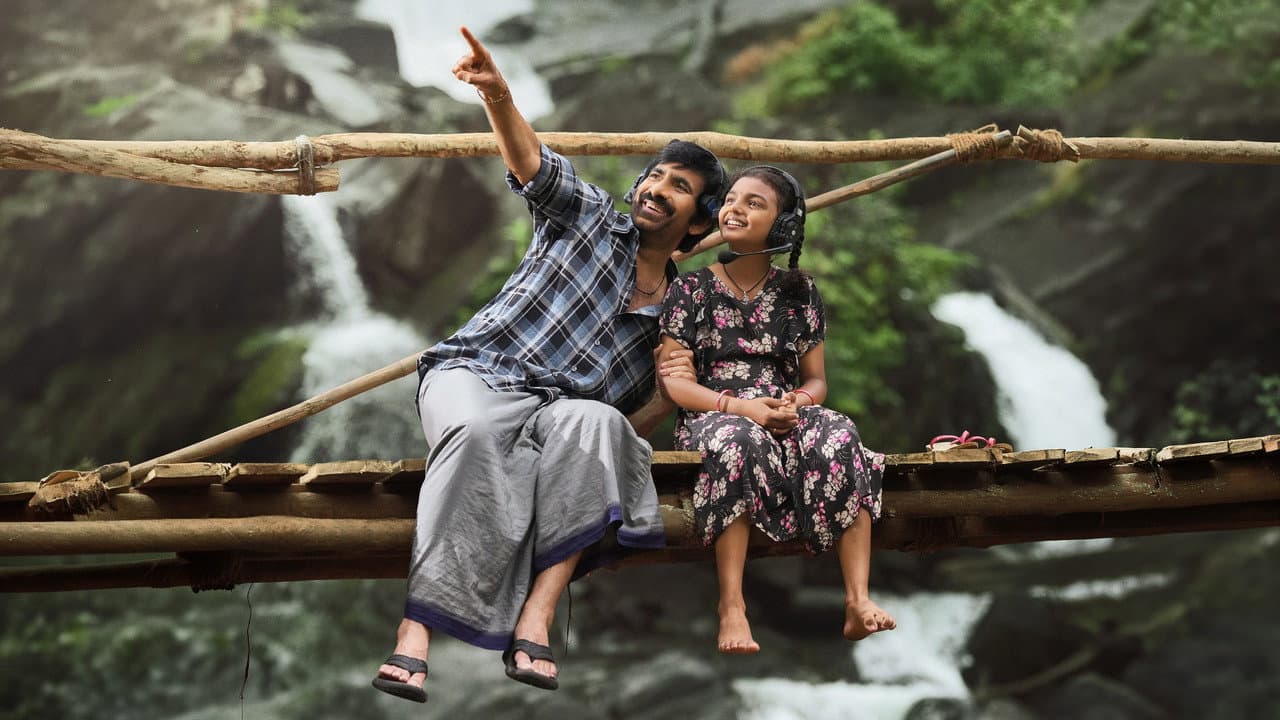
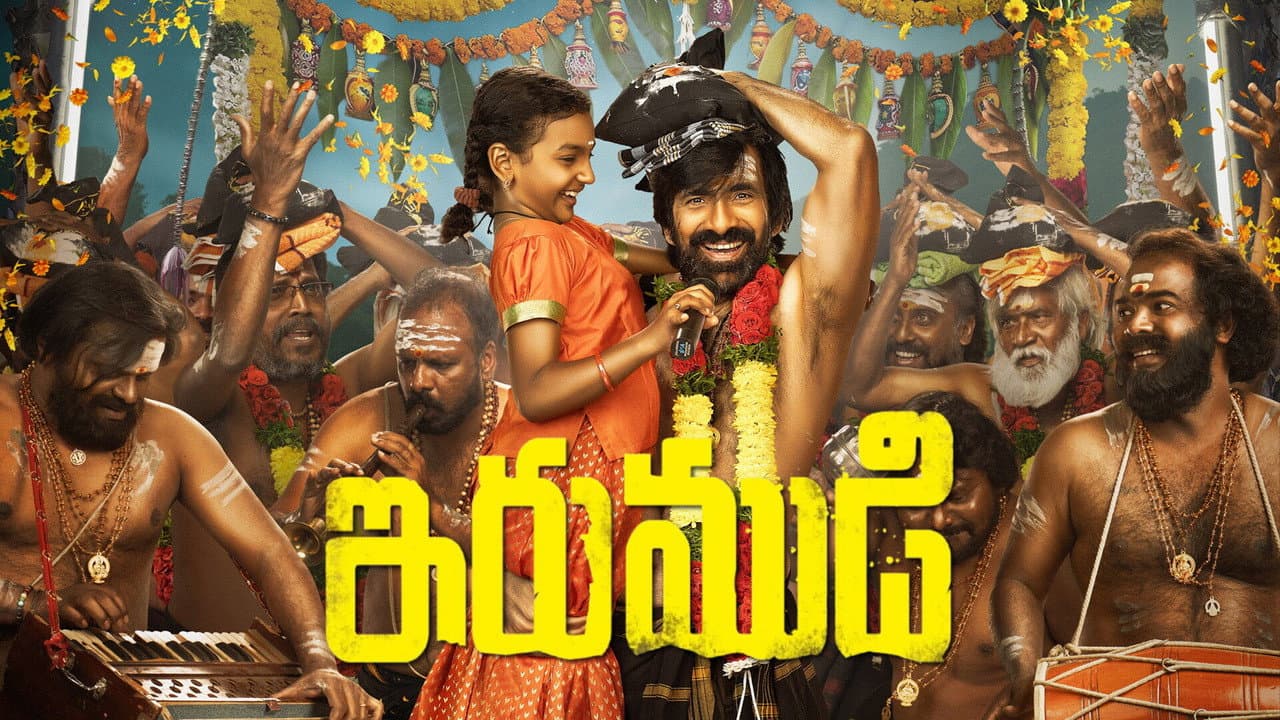
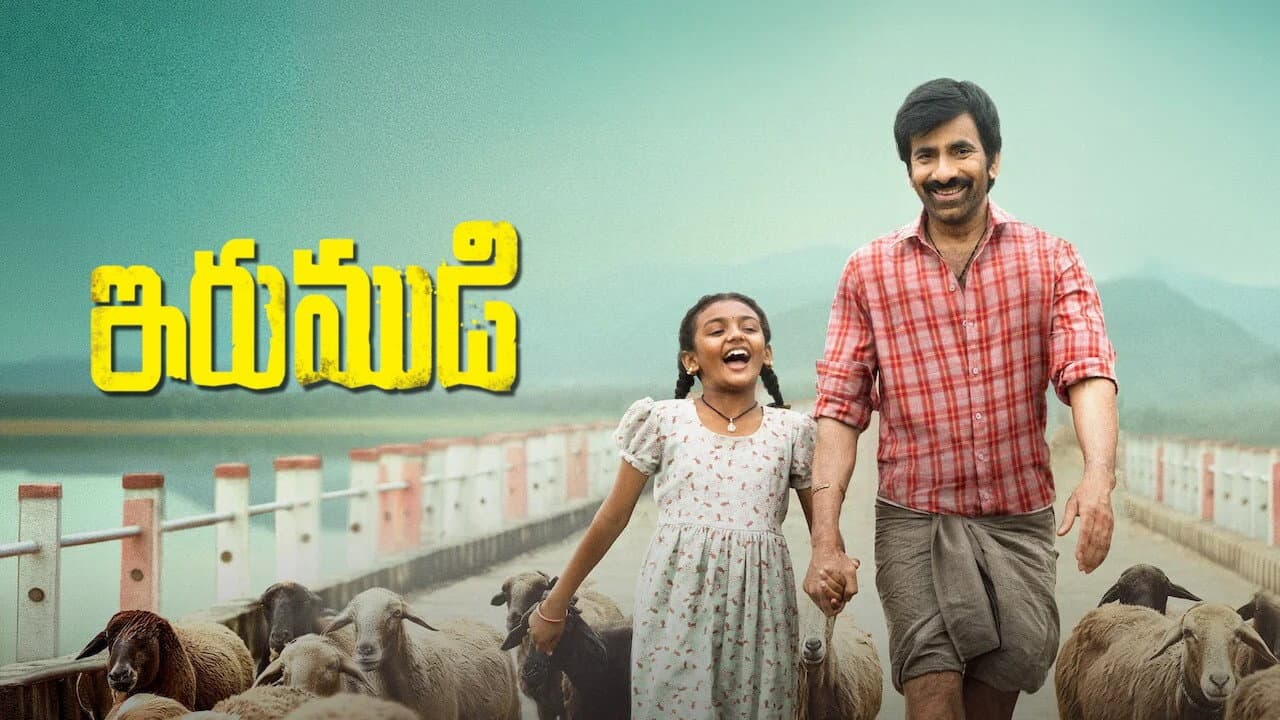
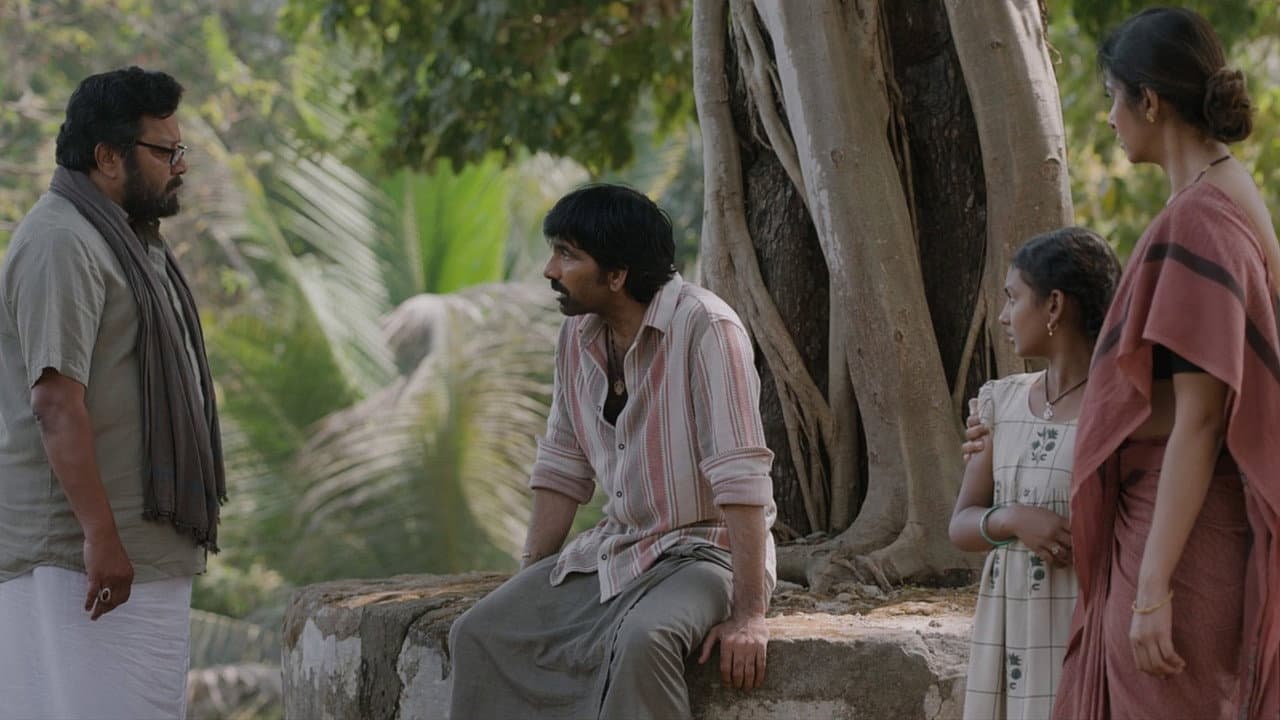
Irumudi, directed by Shiva Nirvana, released on August 20, 2026, and runs 152 minutes. It stars Ravi Teja as Trinadh Rama Kasu, an alcoholic with a violent past who lives peacefully with his daughter beside a waterfall. At her request, he decides to take Ayyappa Deeksha, the 41-day spiritual vow and period of intense austerity. The film blends drama, action and thriller elements, and it is this emotional core, a father-daughter bond set against a spiritual undertaking, that gave Nakshathra her most prominent role to date as the daughter who sets the story in motion.
The supporting cast includes Priya Bhavani Shankar as Kaveri, Sai Kumar as Goparaju "Guru Swamy", Ajay Ghosh as Erraji, Swasika as P. Dhana Lakshmi, Rajkumar Kasireddy as Bushan and Ramesh Indira as M.L.A Bujji. The film is a Telugu-language Tollywood production and currently holds a rating of 6.4 out of 10 on TMDb.
A Debut Paycheck With a Different Destination
What has set Nakshathra apart is not simply the scale of her role but what she did with her remuneration. According to the reports circulating around the film, the actress directed her first earnings toward charitable causes rather than personal indulgence, a choice that has resonated with audiences who have followed her rise.
For a performer still in the early stages of her career, the move carries weight. Debut paychecks in the Telugu industry are often modest, and the expectations that come with sudden visibility can push young actors toward quick, conspicuous spending. Nakshathra's decision instead signals a longer view, one in which public goodwill and personal conviction are treated as assets in their own right.
The timing has also helped. Irumudi leans heavily on themes of faith, discipline and sacrifice, with the Ayyappa Deeksha vow at its center. An actress from that film choosing to give away her first salary has therefore landed as something more than a publicity gesture, and the conversation around her has shifted from screen presence to character off it.
Why the Story Has Struck a Chord
Telugu film audiences have long taken an interest in how young stars handle their first taste of money and fame. Stories of actors who gave back early in their careers tend to travel far, and Nakshathra's case fits that pattern. Her role as Manamma placed her at the emotional heart of Irumudi, opposite a star of Ravi Teja's stature, and the film's premise depends on her character's request that pulls her father into the 41-day vow.
That narrative connection has made her off-screen decision feel like an extension of the film rather than a separate news item. Fans on social media have pointed to the overlap between the movie's message of restraint and the actress's own choice, and the discussion has kept Irumudi in circulation well after its August release.
What Comes Next
For Nakshathra, the attention brings a familiar challenge: following a strong debut with choices that sustain momentum. Irumudi has given her a prominent platform and a recognizable character name, and the goodwill from her first-salary decision adds a layer of public affection that many newcomers spend years trying to build.
Whether that translates into bigger roles is an open question, but the early signs are favorable. The film's mixed-to-positive reception, reflected in its 6.4 rating, has not dimmed interest in its cast, and the actress's gesture has ensured that her name carries a story beyond the screen.
For now, the takeaway is simple. In an industry where first paychecks are often measured in cars and celebrations, Nakshathra C M has offered a different answer, and audiences have noticed.
Source: Filmibeat Telugu