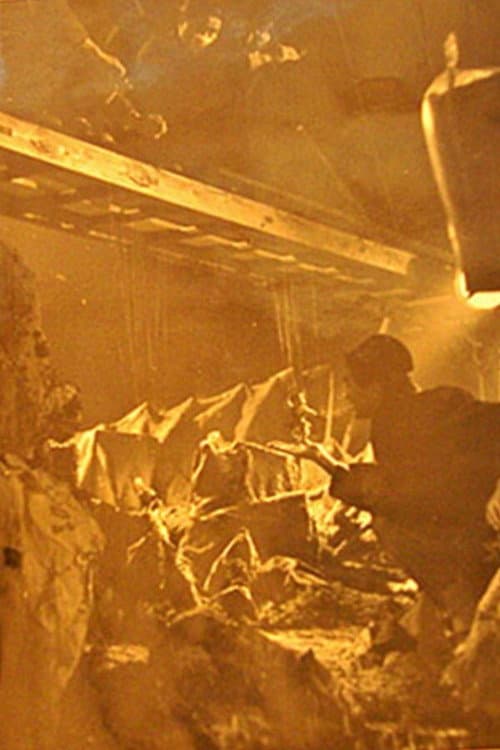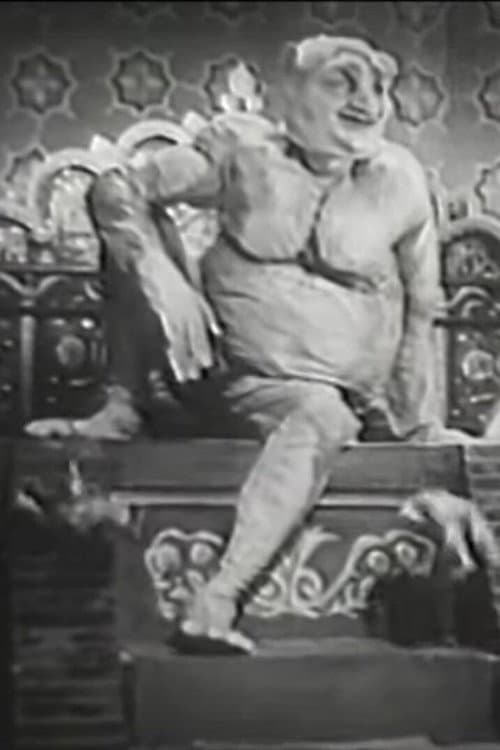
The Japanese animated fantasy "Ramayana" is staging an extraordinary resurgence at the Kerala box office, with trade observers describing its current run as nothing short of a demolition derby. The 1942 release, which runs a brisk 17 minutes, has drawn crowds across the state in numbers that veteran exhibitors say they have not witnessed for a film of its vintage. According to the latest reading of the charts, the title is now closing in on benchmarks set by "Jailer 2" and "Baahubali 2," two of the biggest grossers ever to play in the region.
The scale of the phenomenon has caught even longtime distributors off guard. A film made more than eight decades ago, in a language far removed from the mainstream Malayalam market, has become the talking point of the season. Screening schedules have been expanded in several centres to meet demand, and theatre owners report that curiosity about the film's depiction of the epic has translated into repeat visits, a rarity for any title, let alone one from the 1940s.
A Story Retold Through Ravana's Eyes
The appeal, according to those who have tracked the film's unexpected second life, lies in its unusual narrative focus. The story follows Ravana as he dances with animals, abducts Sita from Rama, and retreats to Lanka while the city of Lankapura burns behind him. That framing places the demon king at the centre of the drama rather than at its margins, offering audiences a perspective that continues to provoke discussion among viewers encountering the film for the first time.
Directed by a filmmaker whose identity remains unrecorded in the available records, the short feature stars Ryunosuke Kabayama in the role of Ravana. Despite its brief runtime, the film carries a reputation for visual ambition that belies its age, and that reputation appears to be driving much of the current footfall. The fantasy genre label attached to the project has also helped position it as something of a novelty in a market dominated by contemporary spectacle.
Ratings Hold Steady as Buzz Builds
Audience response has been consistently warm, with the film holding a rating of 7 out of 10. That score, respectable for any release, is particularly notable for a title whose original run predates the independence of both India and its home industry by several years. Critics who have revisited the film in light of its Kerala performance point to its economy of storytelling, packing abduction, pursuit and conflagration into a fraction of the time most modern epics take to establish their stakes.
The comparison with "Jailer 2" and "Baahubali 2" has become the central talking point in trade circles. Both films are associated with enormous opening numbers and sustained theatrical runs, and the suggestion that a 17-minute Japanese fantasy could approach their records in Kerala alone has prompted heated debate about how box-office performance is measured and reported. Some exhibitors caution that the parallels are symbolic rather than numerical, but the very fact that the comparison is being made at all speaks to the film's hold on the public imagination.
A Singular Chapter in Exhibition History
For Kerala's exhibition sector, the run represents a curious chapter. The state's audiences have long been celebrated for embracing cinema from beyond the mainstream, but the embrace of a wartime-era Japanese short is a different order of enthusiasm. Theatre owners describe packed houses and animated post-screening conversations, with families and young viewers alike turning out to see a title that most had only read about in film histories.
Whether the film can maintain its momentum long enough to genuinely challenge the records held by "Jailer 2" and "Baahubali 2" remains an open question. What is beyond dispute is that "Ramayana" has already achieved something no one forecast: a 1942 Japanese fantasy, running just 17 minutes, has become the most discussed film in Kerala this season, and its unlikely ascent shows no sign of slowing. Distributors are watching closely, and further scheduling changes are expected if demand continues at its present pace.
Source: Filmibeat Telugu