The Paradise, a 1974 cult classic that has been quietly circulating among genre fans for decades, is suddenly back in the conversation - and this time, it’s not just about the film’s eerie blend of horror and music. The news for Telugu audiences centers on a particular aspect that has long been whispered about in cinephile circles: a special song sequence featuring the film’s star heroine, which many believe was designed to shake theaters to their very foundations.
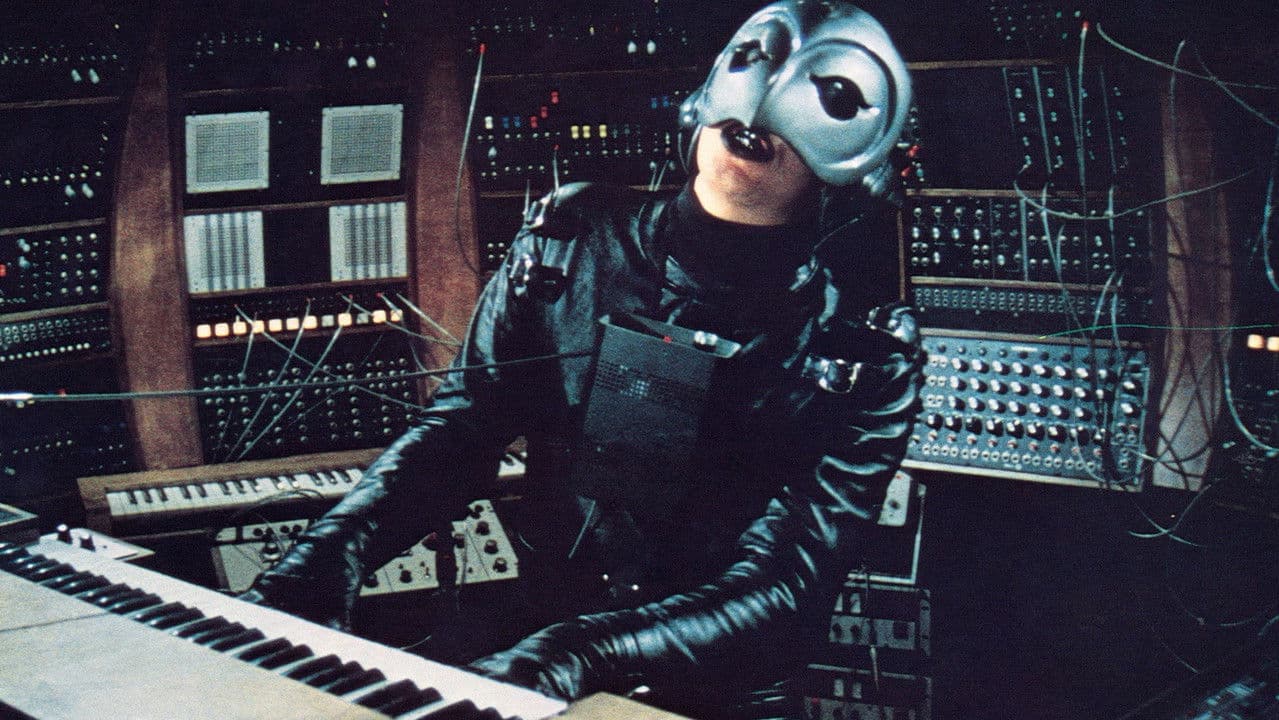
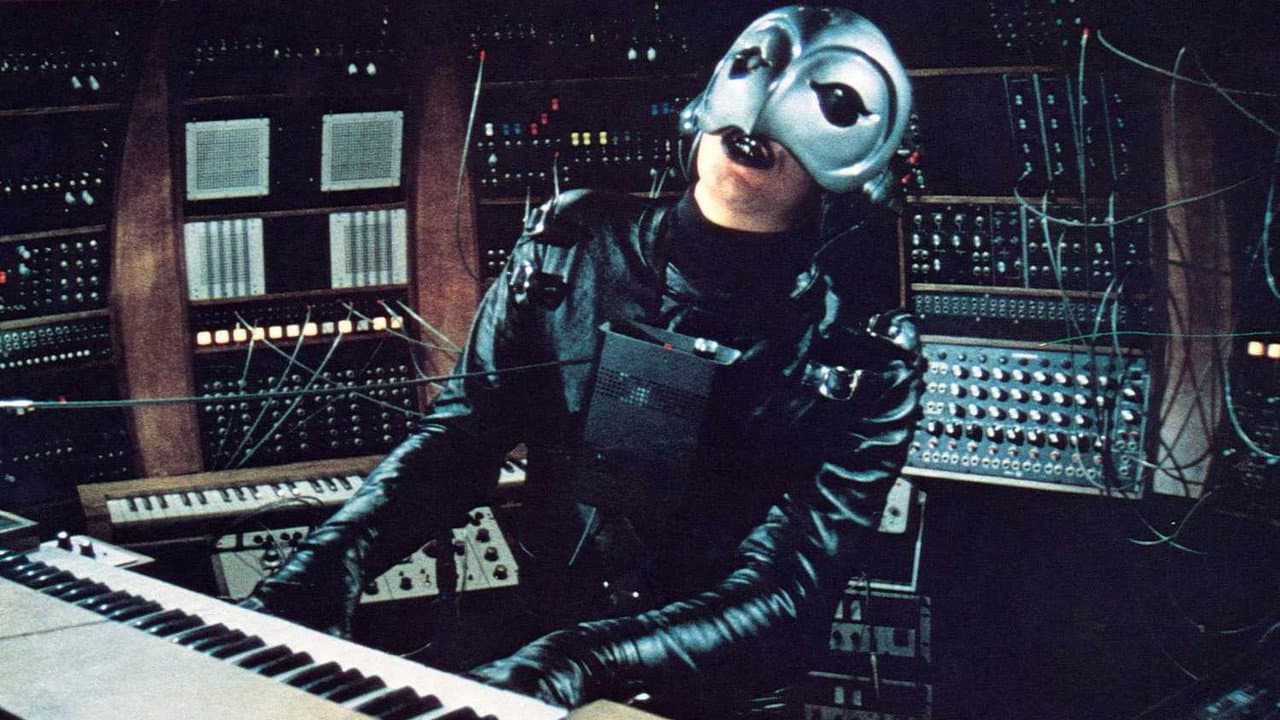
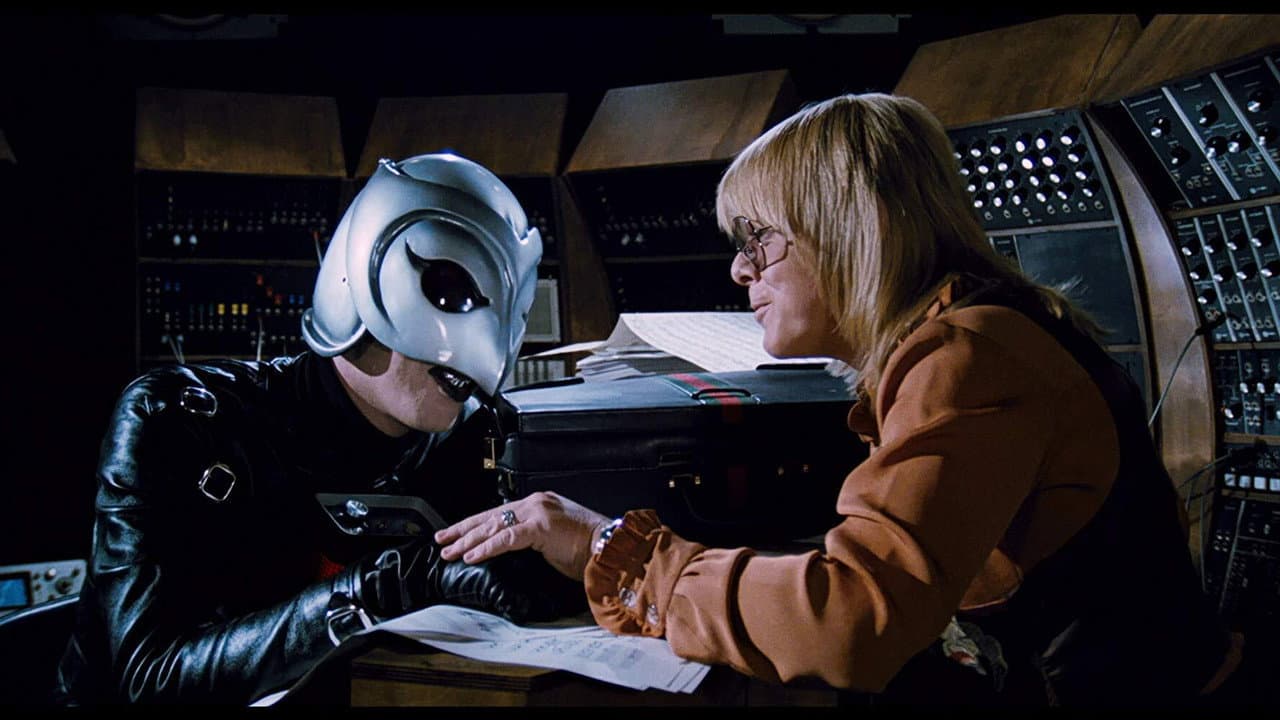
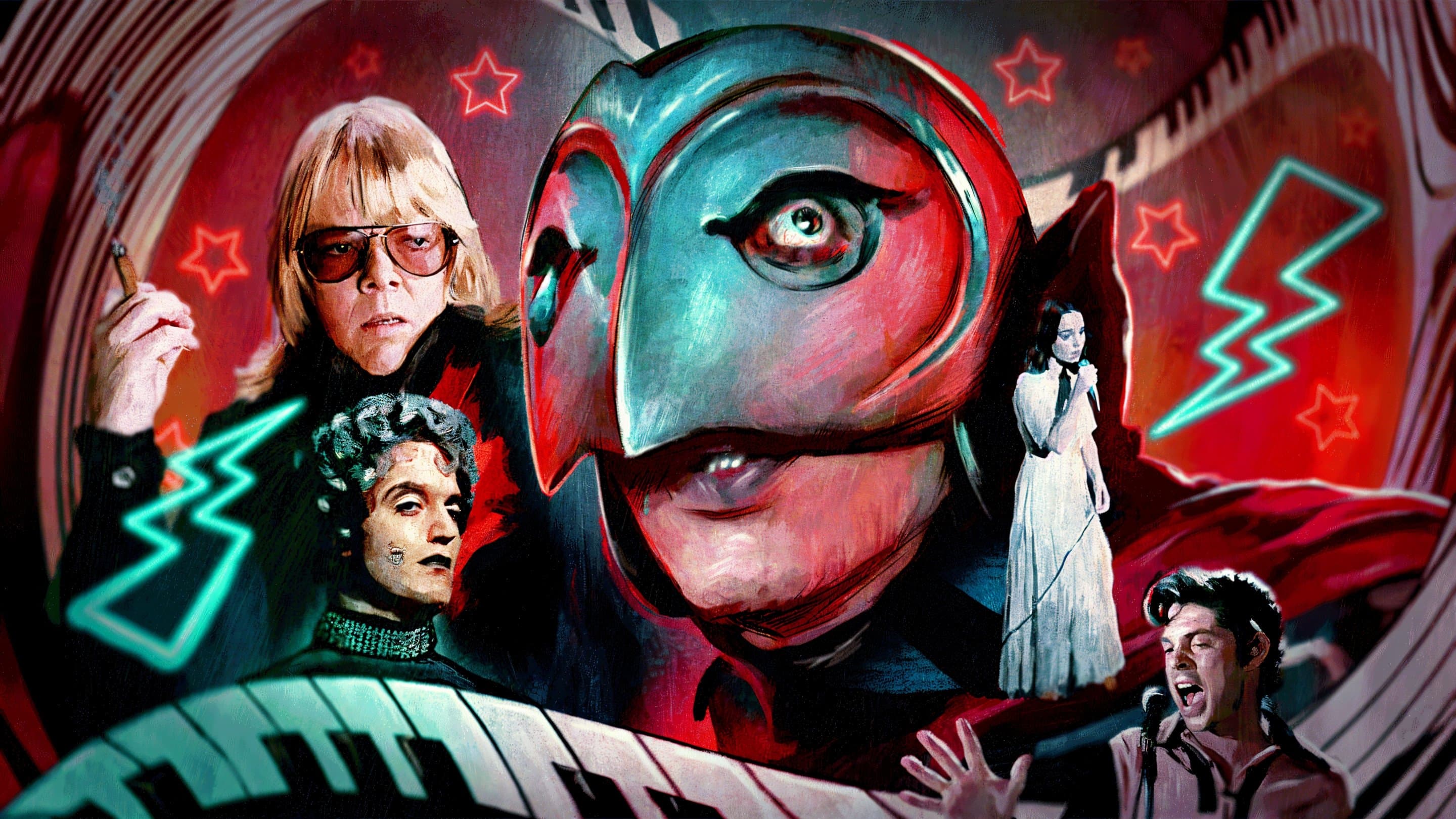
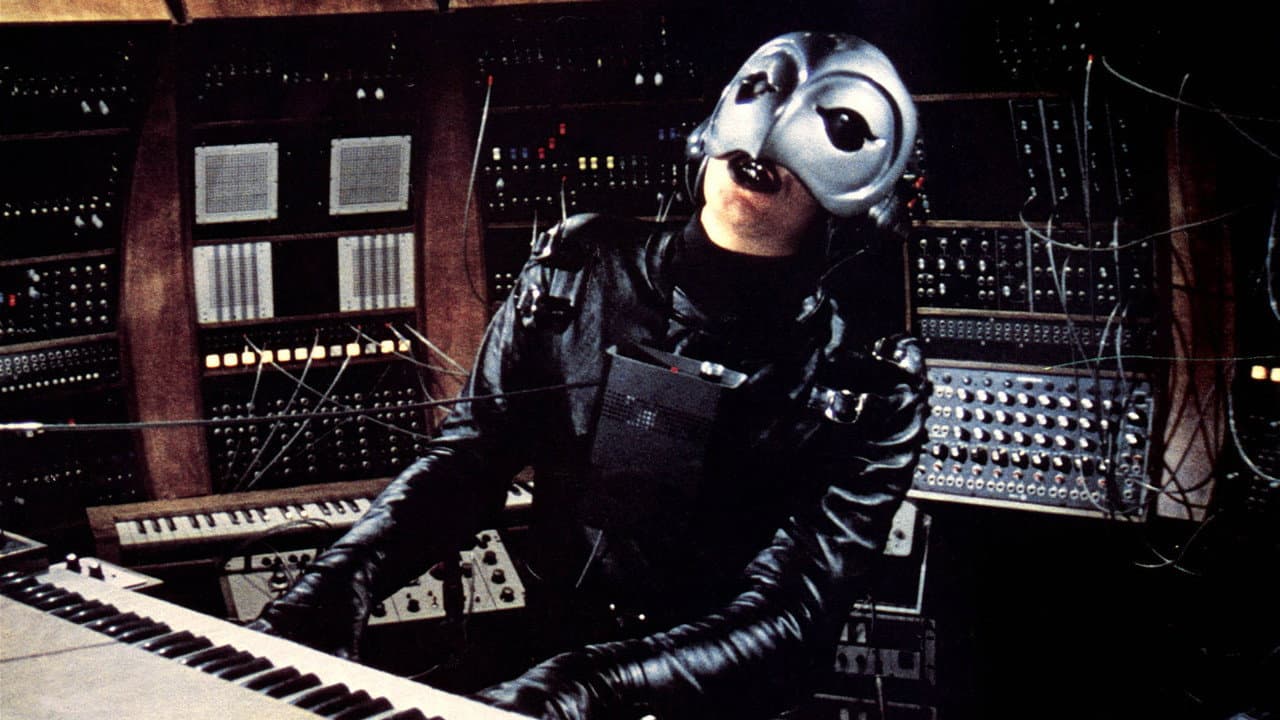
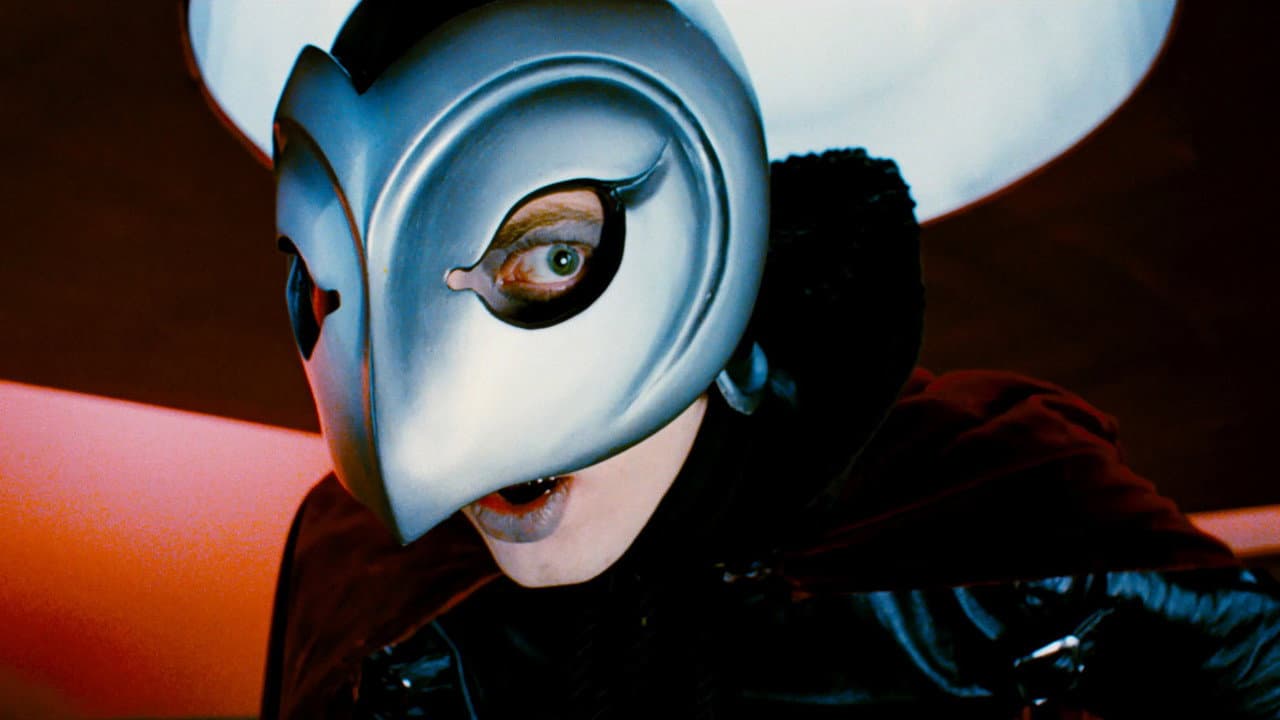
The film, directed by none other than Brian De Palma, tells the story of Winslow Leach (William Finley), a struggling singer-songwriter whose life is upended when the ruthless music producer Swan (Paul Williams) steals both his compositions and the woman he loves - a talented vocalist named Phoenix (Jessica Harper) - for the grand launch of Swan’s new rock venue, the Paradise. What follows is a descent into obsession and revenge, as Leach dons a phantom persona and haunts the very stage where his art has been commodified.
But why is this 50-year-old film suddenly relevant to Telugu Movie Buzz readers? The answer lies in the film’s unique structure: a 92-minute runtime that packs comedy, drama, horror, and music into a single, delirious package. While the film is in English and belongs to the Tollywood industry in terms of distribution interest - yes, that’s correct, this Hollywood production has found an unexpected second life in Telugu cinema circles - the buzz is less about the narrative and more about one show-stopping musical number.
The speculation among local audiences, who have been discovering the film through streaming and rereleases, has centered on the performance by Jessica Harper as Phoenix. Her character’s voice, which Swan covets and ultimately steals for his own gain, is the emotional core of the film. The song sequence in question, often described as the film’s centerpiece, is a haunting yet theatrical piece that showcases Harper’s vocal range and screen presence. Fans are calling it a “special song” in the truest sense - not just a track inserted for commercial appeal, but a narrative device that elevates the story to operatic heights.
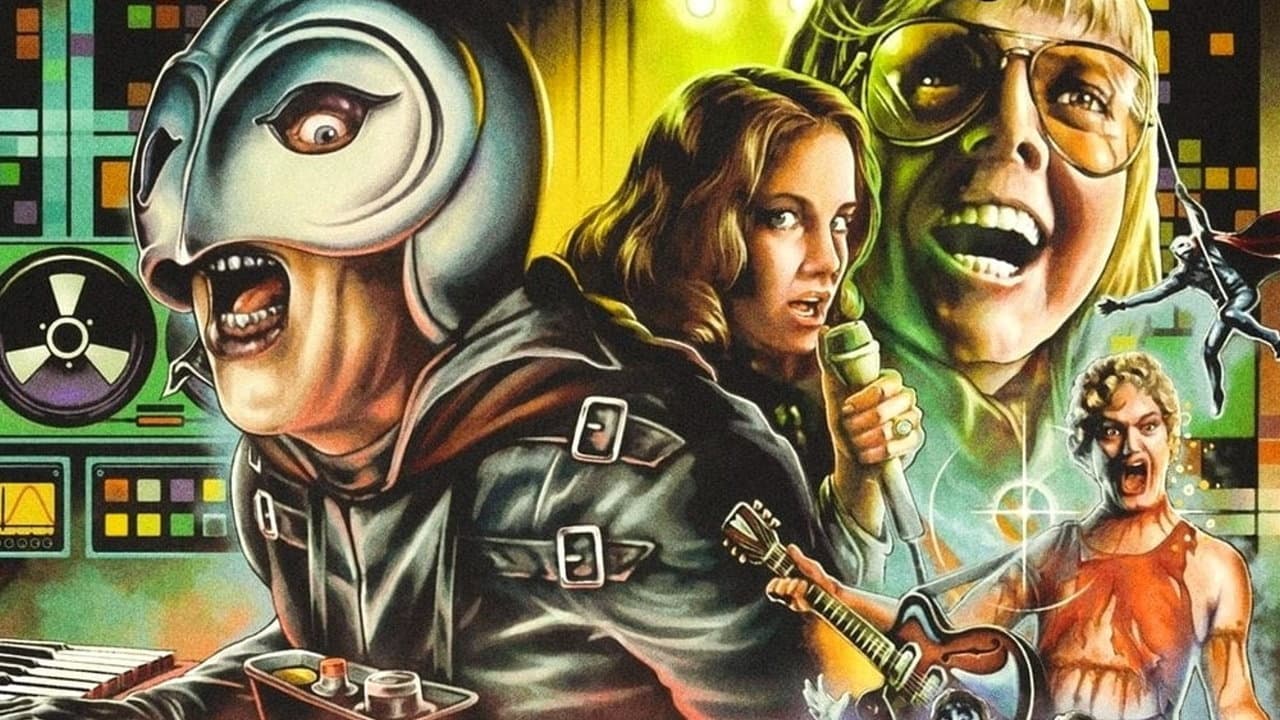
That being said, it’s worth noting that the film’s reputation has grown steadily over the years. With a TMDb rating of 7.475 out of 10, The Paradise has earned a dedicated following for its irreverent take on the music industry. The cast is a who’s who of character actors: William Finley, a frequent De Palma collaborator, delivers a performance that swings between tragic and unhinged; Paul Williams, better known as a songwriter, creates a villain who is both sleazy and charming; and supporting players like George Memmoli, Gerrit Graham, and the trio of Archie Hahn, Jeffrey Comanor, and Peter Elbling - who perform as three fictional bands within the film - add layers of absurdist comedy.
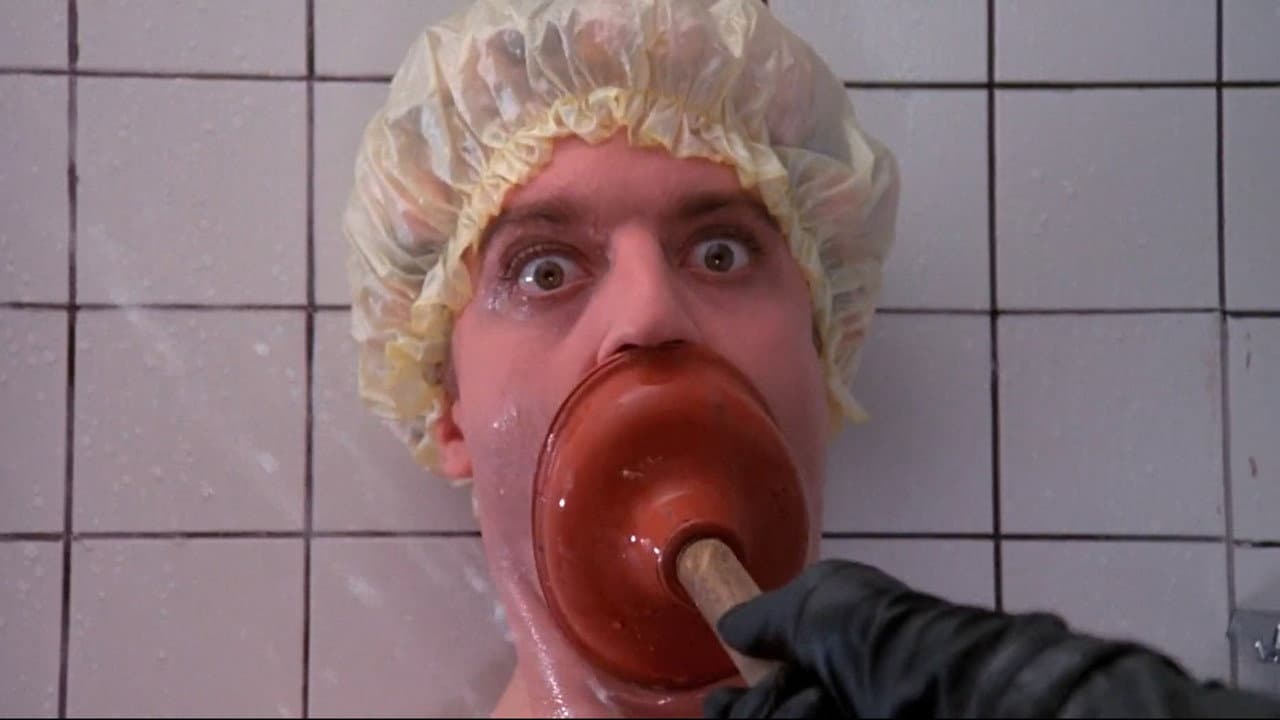
What makes the film stand out, particularly for viewers who are new to it, is its refusal to fit neatly into any single category. At one moment, it’s a biting satire of the entertainment industry; the next, it’s a gory horror picture that doesn’t shy away from the grotesque. The musical numbers, which range from upbeat pastiches of 1960s surf rock to glam-rock anthems, are interwoven with De Palma’s signature visual flair - split screens, sweeping crane shots, and a penchant for voyeuristic tension.
For Telugu audiences, the appeal may also lie in the film’s thematic resonance. The Paradise, at its heart, is about an artist being exploited by a powerful man who controls the very medium through which art reaches the public. It’s a story that feels uncomfortably relevant in any era, and the film’s blend of melodrama and macabre humor offers a viewing experience that is as thought-provoking as it is entertaining.
The current buzz, however, is unmistakably directed at the film’s musical elements. The “special song” featuring Harper is being described by local film enthusiasts as a sequence that demands to be seen on the big screen - if only to experience the full impact of the sound design and the visual spectacle. The phrase “theaters should tremble” has been thrown around in online fan circles, and while that might be hyperbole, there’s no denying that the sequence is a highlight of the film.
It’s also worth mentioning that the film’s original release date of October 31, 1974, has given it a kind of Halloween cult status. De Palma, known for his Hitchcockian obsessions, crafts a narrative that is both a love letter to rock music and a critique of its commercialization. The Paradise is not a clean, polished studio product; it’s messy, audacious, and occasionally baffling - but that’s precisely why it has endured.
As of today, August 28, 2026, there’s no official announcement about a Telugu-dubbed rerelease or a special screening event. The excitement remains organic, driven by word of mouth and the film’s growing availability on digital platforms. But for those who have seen it, the conversation is clear: The Paradise is a hidden gem that deserves a wider audience, and its musical centerpiece - the “special song” with its star heroine - is a compelling reason to seek it out.
In the end, whether you approach The Paradise as a horror film, a comedy, or a rock opera, it offers something rare: a vision that is unapologetically strange and entirely its own. And for fans of music-driven cinema, the film stands as a reminder that the most memorable songs aren’t always the ones you hear on the radio - they’re the ones that burrow into your brain and refuse to leave. If theaters ever do get a chance to screen this properly, the tremble might just be worth it.
Source: Filmibeat Telugu