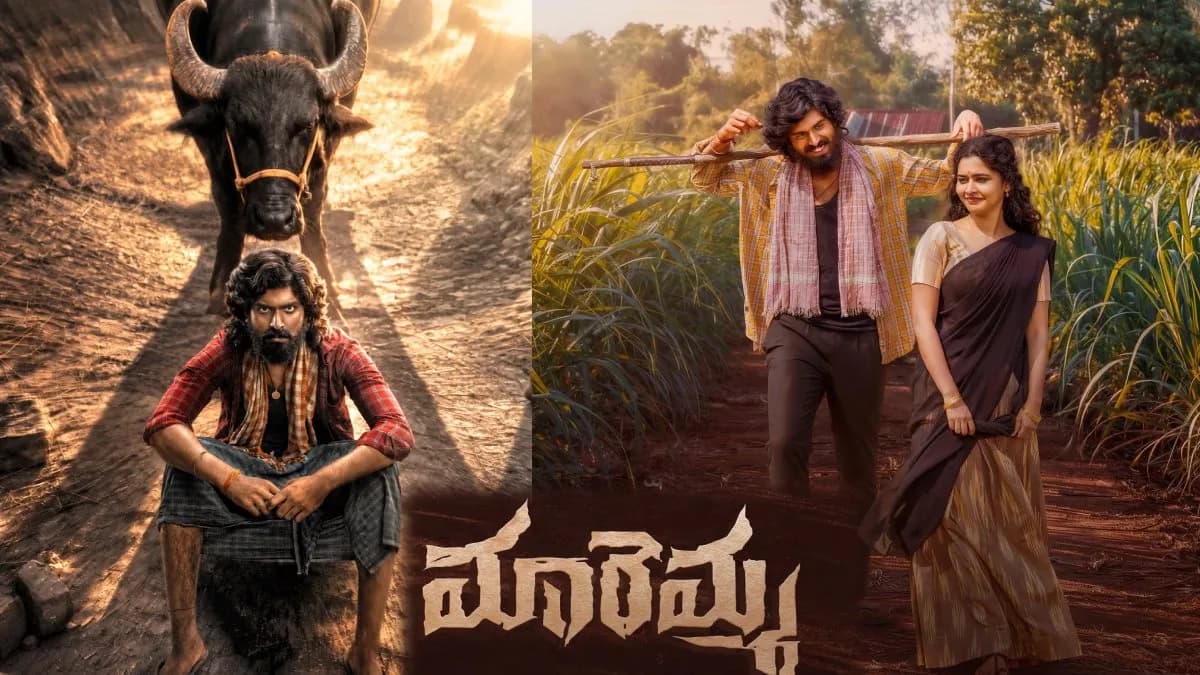
The Telugu film landscape has a new entrant vying for audience attention this week, and early buzz suggests it is a project that wears its cultural roots on its sleeve. Titled Maremma, the film has officially hit the screens, prompting a wave of reactions from critics and moviegoers alike as they dissect its narrative merits and cinematic execution. While the promotional campaign leaned heavily on its rustic appeal and strong performances, the question on everyone’s mind is whether the final product delivers on that promise.
At its core, Maremma appears to be a story steeped in the traditions and raw emotional conflicts of its setting, a choice that immediately sets it apart from the urban-centric dramas that often dominate the box office. The film’s title itself, a reference to a local deity, hints at a plot that intertwines faith, community, and personal vendettas. Early reviews indicate that the director has made a sincere attempt to create an immersive world, focusing on the authenticity of the dialect and the visual texture of the region to ground the narrative in a believable reality. This attention to detail has not gone unnoticed, with several reviewers noting that the film’s atmosphere is one of its strongest assets, effectively transporting the audience into the heart of its conflict without resorting to overt stylization.
Performance-wise, the cast seems to be the primary engine driving the film forward. According to the initial wave of critical feedback, the lead actors have shouldered the burden of the emotionally charged screenplay with considerable conviction, particularly in the high-octane sequences that punctuate the story. The supporting cast, too, has been singled out for praise, adding layers of authenticity to the rural milieu. However, the consensus appears divided on the screenplay’s pacing. While some argue that the slow-burn approach builds necessary tension for the climax, others feel that certain stretches in the middle act could have been tightened to maintain narrative momentum. This split is a common fate for films that prioritize mood and character study over relentless plot progression, suggesting that Maremma is a patient watch rather than a purely commercial entertainer.
The technical crew has also made significant contributions to the film's overall reception. The cinematography, in particular, is being lauded for capturing the sprawling landscapes and intimate close-ups with equal finesse, lending a cinematic grandeur to the proceedings. The background score, composed to complement the film’s somber and intense tone, is said to amplify the emotional weight of key scenes, even if it occasionally feels overbearing. In contrast, the editing has come under a bit of scrutiny, with critics pointing out that a sharper cut might have elevated the storytelling. These observations point to a film that is visually and sonically rich but struggles slightly with the rhythm of its own narrative.
On the thematic front, reviewers have noted that Maremma attempts to tackle weighty issues regarding superstition, social hierarchy, and the consequences of blind faith. The narrative reportedly does not shy away from dark spaces, exploring how fear can be weaponized against the vulnerable. This ambitious thematic scope is a double-edged sword; while it grants the film a level of depth uncommon in mainstream releases, it also runs the risk of alienating viewers who seek purely escapist fare. The resolution of these conflicts is where opinions diverge sharply, with some finding the conclusion powerful and resonant, while others describe it as slightly abrupt given the careful build-up. Without venturing into specific plot spoilers, it is fair to say the film demands engagement from its audience until the very last frame.
In terms of its box office viability, Maremma is likely to rely on strong word-of-mouth rather than a massive opening-day turnout. Its positioning as a content-driven film suggests that its target demographic is the discerning viewer who appreciates regional authenticity and strong acting. Comparisons to other recent hits in the same genre are inevitable, but early signals suggest that Maremma holds its own as a standalone effort. Industry observers are watching to see if the positive critical chatter translates into sustained footfall, especially in the face of competing releases that might offer more mainstream entertainment value.
Ultimately, the verdict on Maremma is one of cautious appreciation. It is not a film that will appeal to every palate, but for those who gravitate towards gritty, realistic dramas, it offers a substantial cinematic experience. The film’s greatest strength lies in its unwillingness to compromise its vision, presenting a story that is unflinchingly local in its flavor yet universal in its examination of human folly and resilience. As the weekend progresses, the true test will be whether this earnest storytelling finds its intended audience, solidifying its place as a noteworthy entry in the current crop of Telugu cinema.
Source: Filmibeat Telugu