

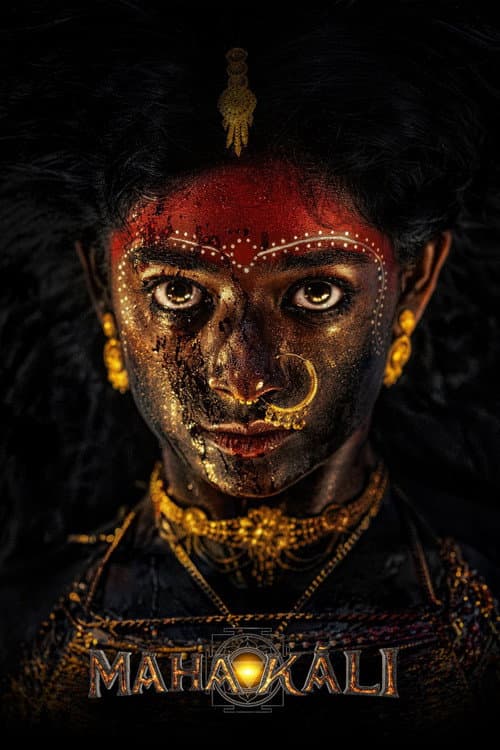
The calendar might say August 28, 2026, but the Telugu film industry is already looking ahead to the first big spectacle of 2027. And leading that charge is Mahakāli, a film that promises to be far more than just another mythological actioner. With a title that evokes the raw, primordial energy of the Goddess herself, this Puja Kolluru directorial is positioning itself as a cinematic event - one that blends dizzying fantasy with grounded, familial emotion. The buzz is palpable, and the early whispers from the production house suggest we are in for a visual and spiritual feast that will redefine how we perceive goddess-centric stories in Tollywood.
Release Date & Where to Watch
Mark your calendars for January 8, 2027. This is not a tentative window or a rumored slot; this is the official release date. It’s a smart move, strategically placed after the New Year festivities and in the run-up to Sankranti, a period traditionally reserved for family-friendly, high-concept entertainers. The producers are clearly betting on Mahakāli to be the first major blockbuster of the new year.
As for where you can catch it, the standard theatrical release is a given. Expect a massive, worldwide opening across Telugu-speaking states, with dubbed versions in Hindi, Tamil, Kannada, and Malayalam likely to follow shortly after. Given the scale of the production and the visual effects involved, this is a film that demands the big-screen experience. The OTT landscape is a different story; typically, a film of this magnitude will hold its theatrical window for a solid four-to-six weeks before landing on a major streaming platform. No official digital partner has been announced yet, but given the track record of such productions, expect a lucrative deal with one of the top-tier platforms like Amazon Prime Video, Netflix, or Disney+ Hotstar post-theatrical run. For now, the plan is simple: go big, go to the cinemas.
Cast & Crew
At the helm is Puja Kolluru, a director who has consistently shown a penchant for strong, character-driven narratives with a visual flair. With Mahakāli, she is stepping into the big-ticket fantasy arena, and the industry is watching closely. She has assembled a fascinating ensemble that mixes raw power with seasoned gravitas.
Leading the charge is Bhoomi Shetty in the titular role. This is a career-defining opportunity. Shetty, known for her expressive eyes and physicality, has the unenviable task of embodying both the fierce and the compassionate aspects of the Goddess. That duality is the film's core, and her performance will make or break its emotional resonance.
Opposing her is the ever-impressive Akshaye Khanna as Asuraguru Shukracharya. This is a brilliant piece of casting. Khanna’s controlled, menacing intensity is perfect for the guru of the demons, a character who is not a mere villain but a complex strategist with his own tragic motivations. His presence adds a layer of intellectual heft to the film’s conflicts.
The supporting cast is a who's who of talent: the formidable Sriya Reddy, the charming Rohit Saraf, the seasoned veterans Rakesh Bedi, Rajat Kapoor, Murali Sharma, and the legendary Nassar. This isn't just a list of names; it's a guarantee of performance depth. Each of these actors brings a specific texture to the world - be it wisdom, conflict, or comic relief. The dynamic between Shetty’s raw divinity and Khanna’s calculating evil, with this ensemble backing them, is the stuff of serious cinematic promise.
Story & What to Expect
The official overview speaks of "an epic journey of empowerment, faith, and resilience, inspired by the fierce and compassionate nature of the Goddess Kali." What does that mean in practical terms? The production has been tight-lipped about specifics, but the character of Asuraguru Shukracharya offers a huge clue. In Puranic lore, Shukracharya is the preceptor of the Asuras, known for his mastery over the Mritasanjivani mantra - the power to revive the dead.
This sets up a classic but high-stakes conflict. We can likely expect a world where the forces of adharma, led by Shukracharya’s followers, have created an imbalance, threatening the cosmos and the familial fabric of the earth. This isn't just a cosmic war in the heavens; the "Family" genre tag suggests the story’s roots are firmly planted in human emotions. The Goddess's avatar likely descends not just to vanquish a demon, but to restore order to a family, a community, or perhaps a kingdom that has lost its way.
Expect stunning visual effects that bring the Kali iconography to life - not just the fearsome, dark-skinned goddess with a garland of skulls, but the protective mother. The action sequences will be grand, no doubt, with Khanna’s Shukracharya utilizing his necromantic powers to create an ever-rising army. But the true spectacle will be the internal conflict. How does a Goddess balance her destructive fury with her nurturing side? The film’s journey will likely be about Mahakali discovering the true source of her power, not in annihilation, but in the resilience of faith. There’s a strong potential for a deeply emotional soundtrack and a background score that elevates the divine and the dramatic moments equally.
Why It's Worth Watching
In an era where Tollywood is increasingly dominated by pan-Indian action spectacles and mass masala entertainers, Mahakāli feels refreshingly different. It is a female-led, mythological fantasy, a genre that is both ancient and, in this form, remarkably novel. This alone makes it a must-watch.
First, it’s the sheer scale. The combination of Puja Kolluru’s vision, a substantial budget (evident from the casting and VFX demands), and a release date slated for a major festival window all point to a production of epic proportions. This isn't a film shot on a studio lot; this is a world-building exercise.
Second, the cast. Akshaye Khanna returning to a performance-driven antagonist role is an event in itself. Watching him share screen space with Bhoomi Shetty is a masterclass in acting ticket. And the underused talents of Sriya Reddy and Nassar? This film seems to be creating space for them to truly shine.
Finally, the thematic core. The story of empowerment and resilience is universal. It’s a narrative that speaks to the strength that comes from within, the power of faith in the face of overwhelming darkness, and the idea that compassion can be the most potent weapon of all. It doesn’t matter if you’re a devout follower or a fan of high-concept action cinema; the themes here are timeless. If the team executes even half of its ambition, Mahakāli will not just be a film; it will be an experience - a powerful, visual prayer told with the tools of modern blockbuster filmmaking. Mark the date; this is one journey you don't want to miss.