Advertisement
160×600
Left Ad
Advertisement
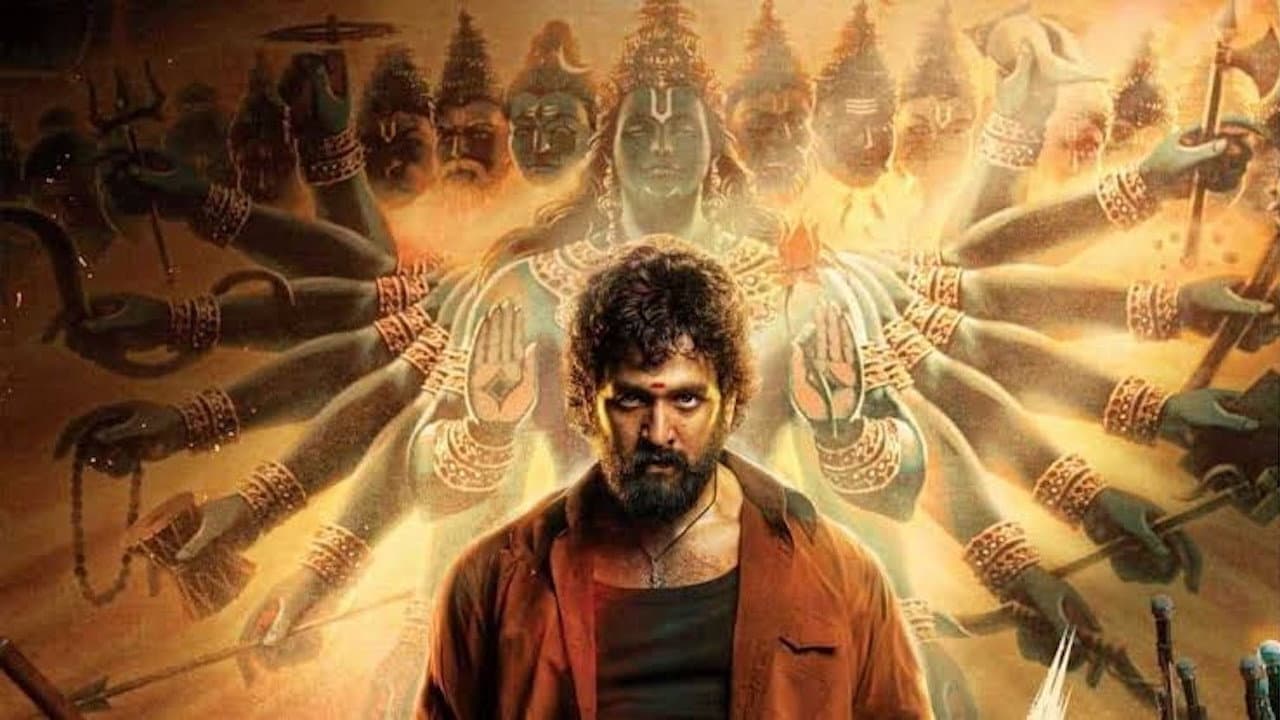
"Lenin Movie Review: A Nuanced Look at a Revolutionary"
This gripping review of *Lenin* explores the revolutionary's complex legacy, revealing both his ideological fire and ruthless pragmatism.
Director
Murali Kishor Abburu
Language
TE
Release
2026-07-10
Runtime
156 min
Quick Verdict
“Lenin” is a deceptive beast. It walks into the theatre like a breezy, urban romance, only to detonate into a ferocious, sprawling drama about land, pride, and the collateral damage of love. Director Murali Kishor Abburu has crafted a film that’s both a star vehicle for Akhil Akkineni and a genuinely gritty village saga, held together by a surprisingly sharp script and a powerhouse supporting cast. At 156 minutes, it never drags, though its tonal whiplash might rattle viewers expecting a simple love story. The TMDb rating of 7.7 feels earned: ambitious, messy in the best way, and unapologetically intense.
Story
Lenin (Akhil Akkineni) is a city-bred young man whose name is a political irony he rarely thinks about. He works in Hyderabad, drives a hatchback, and falls for Bharathi (Bhagyashri Borse) in that affable, modern way-café dates, playful banter, sudden intimacy. But Bharathi hails from a volatile village in coastal Andhra, where her father Yatirajulu (Sivaji Sontineni) is a local strongman nursing a generations-old feud. When Lenin follows her home to propose, his naive, urban charm-so endearing in the city-becomes a spark in a powder keg. A minor misunderstanding, an old rival’s provocation, and Lenin finds himself at the epicentre of a conflict that escalates from heated arguments to brutal violence. What begins as a romantic detour turns into a fight for survival, forcing Lenin to unearth a resilience he never knew he had.
Review
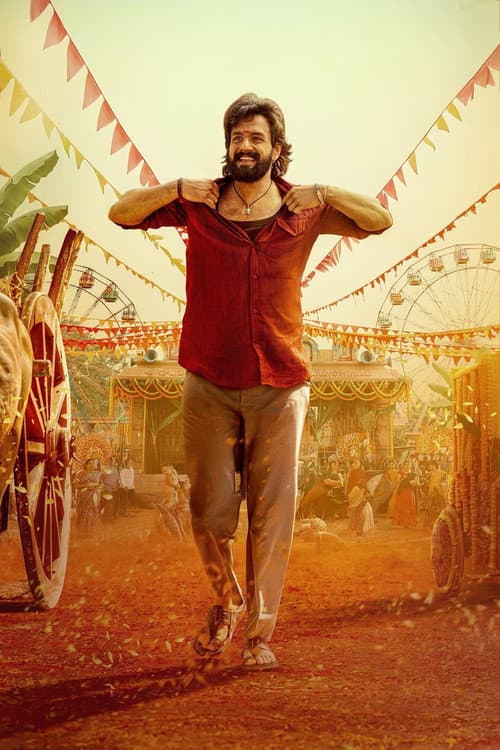
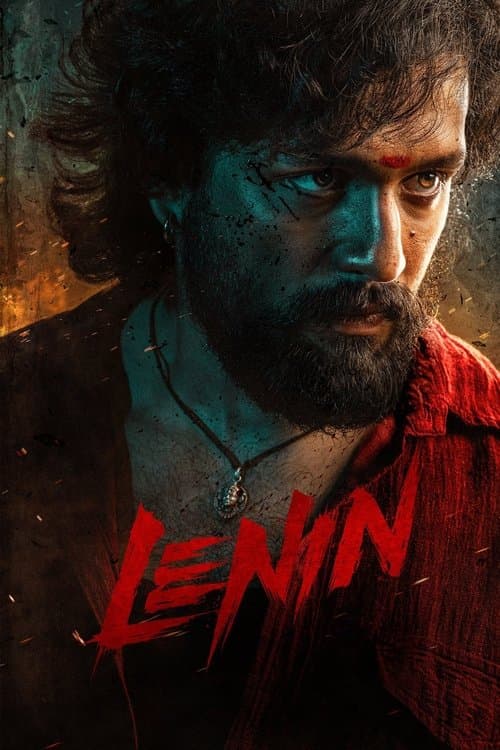
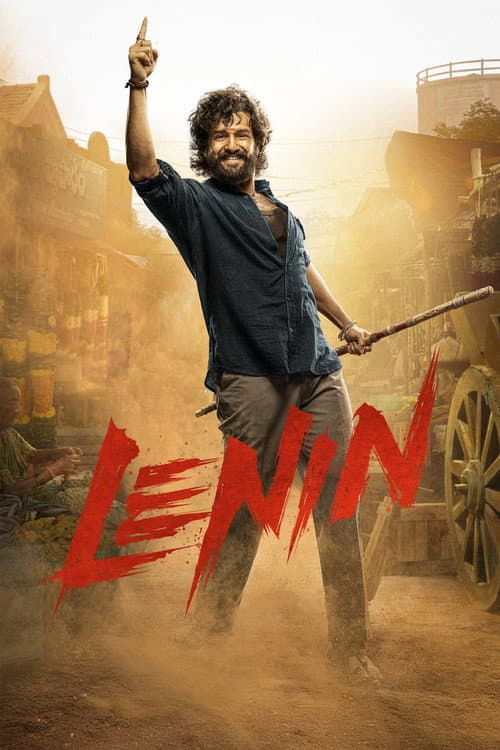
Let’s start with Akhil Akkineni. I’ve watched his career with curiosity-moments of promise, frequent misfires-but here, he finally disappears into a role. His Lenin is convincingly soft, almost frustratingly passive in the first hour; you want to shake him for being so unaware of village dynamics. Then, when the violence hits, his transformation is not a cheap “hero switch” but a reluctant, soiled awakening. He earns every punch he throws, and the physicality-particularly a staggering, single-take fight in a rain-soaked field-is raw, not slick. Bhagyashri Borse has a tricky part: the love interest who must also be the moral centre. She nails it, especially in a quiet scene where she tells Lenin, “You don’t understand our land. It eats people like you.” The warmth between them feels real, which makes the later tragedy hurt more.
The real MVPs, however, are the antagonists. Sivaji Sontineni’s Yatirajulu is a villain you almost sympathise with-he’s not a cartoon; he’s a man trapped by his own legacy. His confrontation with Easwari Rao (playing his wife Jayanthi) in the second half is a masterclass in subtext: two people who love each other but are drowning in inherited hatred. Brahmaji and Sunil Varma provide the requisite comic relief, but their humour is situational, not jarring. And N.T. Rama Rao Jr.’s voice-over narration? It’s spare, poetic, and only appears three times, but each line lands like a stone in a pond.
Director Murali Kishor Abburu, known for tighter genre films, shows remarkable range here. He films the village with a documentary-like grit-dust, sweat, natural light-contrasting it with the sterile, blue-toned Hyderabad segments. The violence is unsettling, not glorified; one death occurs off-screen, and the sound design (a thud, a silence) is more effective than any splash of blood. The romance, too, is handled with restraint: the first kiss happens at the interval, and it’s placed against a backdrop of burning fields. That’s the film’s central metaphor-love cannot exist without igniting something destructive.
The runtime is a concern, but it’s justified. Every subplot serves the central conflict: a land dispute from 1995, a character’s buried trauma, a village elder’s silence. The only misstep is a slight over-reliance on montages in the second hour-three songs, though well-shot, slow the momentum. Also, the climax, while cathartic, resolves a little too neatly. A story this volatile deserves an ending that leaves a scar, not a bandage.
Pros & Cons
Pros
- Akhil Akkineni’s career-best performance; nuanced, vulnerable, and physically committed.
- Sivaji Sontineni and Easwari Rao deliver layered, human antagonists.
- Murali Kishor Abburu’s direction balances urban romance and rural brutality with tonal precision.
- The fight choreography feels chaotic and real, avoiding superhuman heroism.
- N.T. Rama Rao Jr.’s narration adds dramatic weight without overstaying.
Cons
- The pace dips during the middle-act song sequences, which feel too polished for the gritty narrative.
- A predictable third-act twist undercuts some of the emotional complexity built earlier.
- The urban-village cultural clash is handled well, but city audiences might find the initial setup slow.
- Some supporting characters (Pavani Karanam’s Sulochana) are underutilised, leaving their arcs dangling.
Rating Breakdown
Final Verdict
“Lenin” is not a comfortable watch, nor is it meant to be. It’s a film that asks if love can truly be apolitical, and answers with a resounding, bloody “no.” Akhil Akkineni finally has a film that matches his ambition, and Murali Kishor Abburu proves he can handle large canvases without losing detail. It stumbles in its over-polished moments and a slightly safe conclusion, but the journey-violent, tender, and unflinching-is worth the price of admission. For fans of Telugu cinema who crave substance beneath the spectacle, this is one of the year’s most rewarding experiences. 8/10
Advertisement
Cast
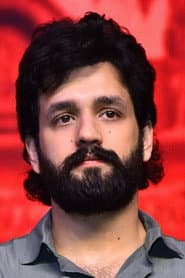
Akhil Akkineni
Lenin

Bhagyashri Borse
Bharathi

Sivaji Sontineni
Yatirajulu

Easwari Rao
Jayanthi
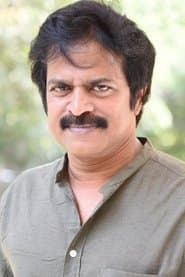
Brahmaji
Damodaram

Sunil Varma
Parthasarathi

N.T. Rama Rao Jr.
Narrator (voice)

Pavani Karanam
Sulochana

Getup Srinu
Murli

Saranya Pradeep
Murali wife

Pramod Panju
Vasanth
Ramesh Indira
MLA
Gallery
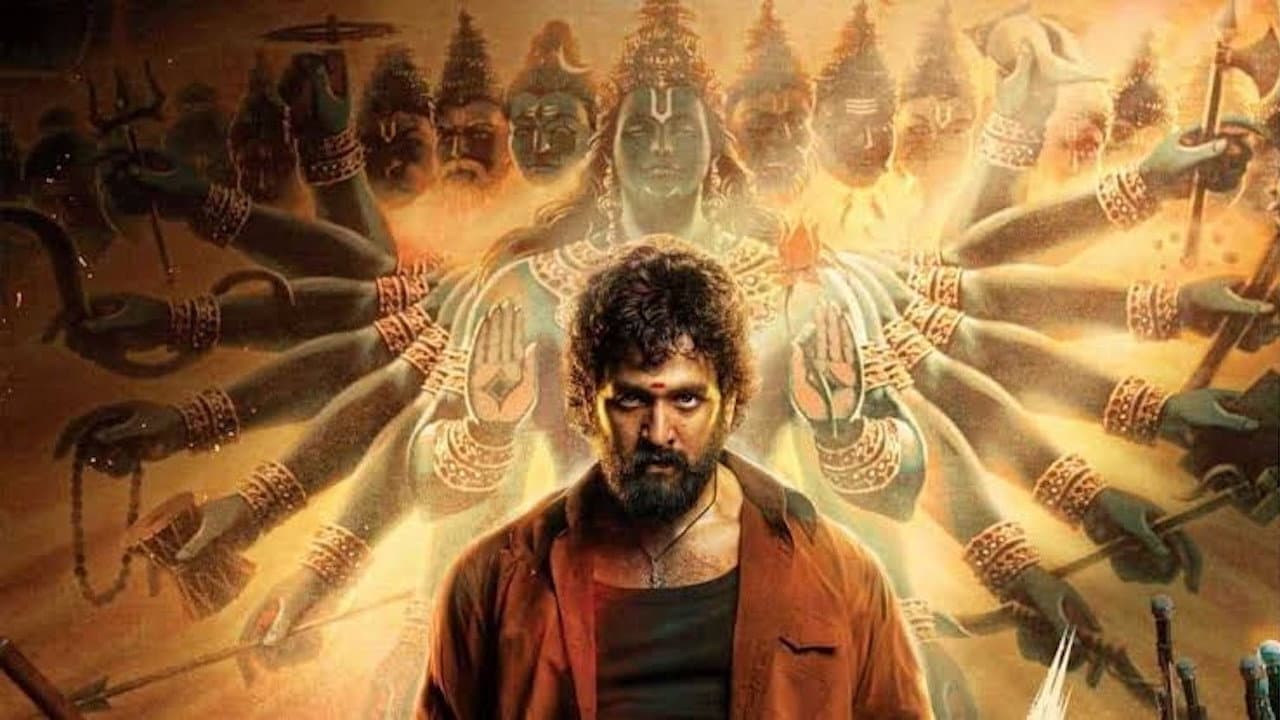


Related Reviews
Advertisement
Advertisement
160×600
Right Ad