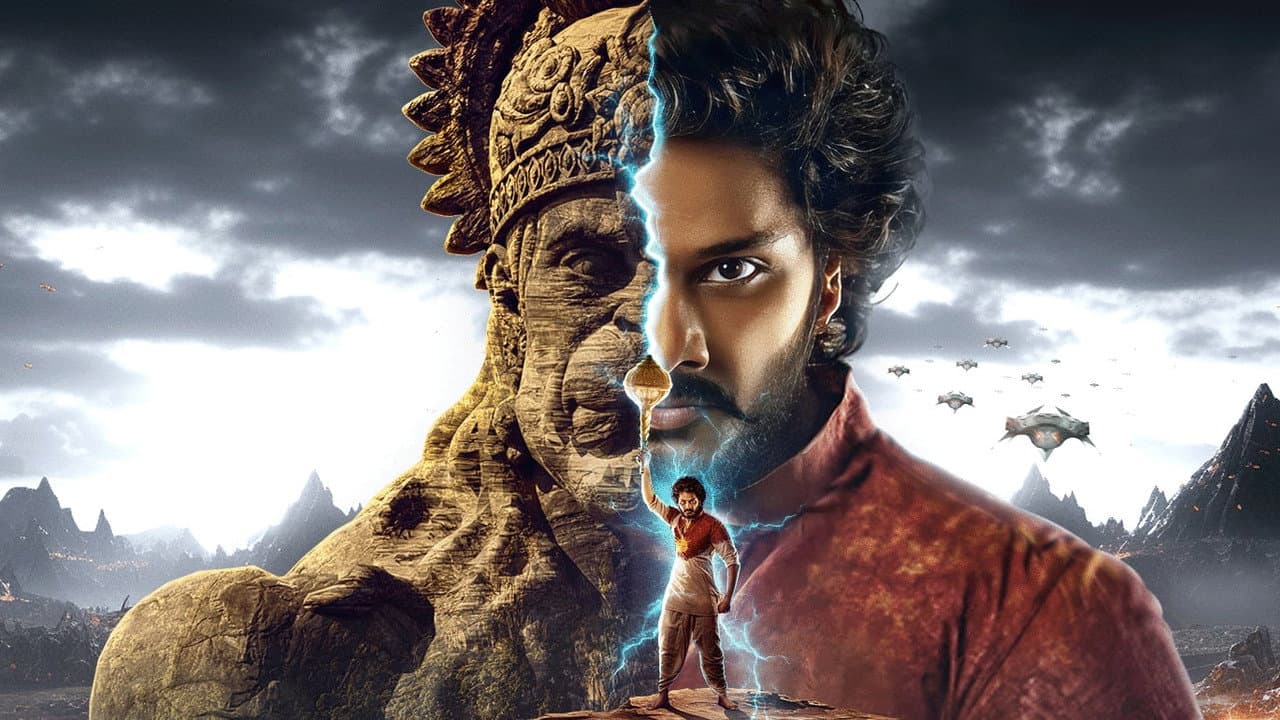
The Telugu film industry witnessed a remarkable financial success story with the release of Hanu-Man, a fantasy action comedy that turned a modest ₹3 crore budget into a staggering ₹150 crore in worldwide box office collections. The film, which hit theaters on January 11, 2024, has been widely celebrated for its unprecedented return on investment, marking a historic milestone for the Tollywood banner.
Directed by Prasanth Varma, the movie stars Teja Sajja in the lead role of Hanumanthu, a small-time thief from a rustic village whose life changes dramatically after he stumbles upon a mysterious gem. This chance discovery bestows upon him divine, god-like abilities, setting the stage for a high-stakes battle where he must protect his newfound powers from those who would misuse them for evil. The narrative also brings in Vinay Rai as the antagonist Michael, also known as Mega-Man, who poses a significant threat to Hanumanthu's community. Amritha Aiyer plays Meenakshi, while the supporting cast includes Varalaxmi Sarathkumar as Anjamma, Vennela Kishore in a comic role as Dr. Siri Vennela, Getup Srinu as Kaasi, and noted actor Samuthirakani portraying Vibhishana.
The film’s commercial triumph stands out not just for the raw numbers but for the sheer scale of the achievement relative to its production costs. A budget of ₹3 crore is considered exceptionally lean for a project aiming to deliver visual effects and fantasy elements, yet Hanu-Man managed to compete with and often outperform far more expensive releases. The collection figures of ₹150 crore represent a 50-fold return, a feat rarely seen in the industry, and the film’s journey from a small-scale production to a massive box office hit has been the subject of extensive discussion among trade analysts and fans alike.
A Genre-Blending Narrative
The story is built on a premise that blends several genres, seamlessly mixing fantasy with action, comedy, and science fiction elements. Set in a quaint, unnamed village, the plot revolves around Hanumanthu’s personal growth from a petty criminal to a guardian of his people. The gem he finds is not merely a source of power but a narrative device that introduces a larger mythological and cosmic conflict, forcing him to confront challenges that test his morality and courage. The science fiction component emerges through the character of Mega-Man, who represents a modern, technologically advanced threat contrasting with the ancient, spiritual powers that Hanumanthu wields. This clash of worlds provides the film with its central conflict, driving the action sequences and the emotional stakes.
The 159-minute runtime allows the director to flesh out the village’s atmosphere, character relationships, and the gradual transformation of the protagonist. Prasanth Varma’s direction was widely praised for maintaining a grounded feel despite the fantastical subject matter, ensuring that the audience connected with the human drama before the special effects took over the screen.
Critical Reception and Cast Performance
While the box office numbers tell a story of immense popularity, the critical reception has been more measured. The film currently holds a TMDb rating of 6.477 out of 10, reflecting a mixed-to-positive response from critics and general audiences. Many reviews have highlighted the earnestness of Teja Sajja’s performance, noting that his portrayal of Hanumanthu carries the film with a relatable charm. His transition from a comedic, bumbling thief to a confident hero was cited as a key strength, keeping the audience invested in his journey. Varalaxmi Sarathkumar’s portrayal of Anjamma, a fierce maternal figure, was singled out as a standout performance that added significant emotional weight to the proceedings. The comedic timing of Vennela Kishore also provided levity, balancing the more intense moments of the plot.
The special effects, while clearly produced on a limited budget, were considered effective, particularly during the climactic sequences where the visual spectacle reaches its peak. Though some critics pointed out that the CGI occasionally showed its limitations, the sheer ambition of the visual storytelling won appreciation, especially given the constraints under which the team operated.
Impact on the Industry
The success of Hanu-Man has had a ripple effect across Tollywood, serving as a case study for filmmakers who believe that strong content and innovative marketing can overcome a lack of financial backing. It has sparked conversations about how the industry distributes resources, with many suggesting that this film proves audiences are hungry for original stories, even when they are built on a smaller canvas. The film’s release during the Sankranti festival season in January 2024 proved to be a strategic advantage, allowing it to capitalize on the holiday crowds in key markets.
The victory is particularly sweet for the team, considering that the film was in production for several years and faced numerous delays, which often create negative buzz. Instead, the final product emerged as a surprise package, silencing skeptics with its engaging screenplay and heartfelt execution. The character of Hanu-Man, named after the legendary Hindu deity, resonated strongly with the core audience, tapping into a sense of cultural pride and devotion that elevated it beyond a standard superhero flick.
As the dust settles on this blockbuster run, the industry is left with a benchmark for profitability and creativity. The film has not only made a star out of Teja Sajja but has also firmly established Prasanth Varma as a director capable of delivering grand visions on a modest budget. The tale of the ₹3 crore film that earned ₹150 crore will likely be retold for years as one of the most inspiring underdog stories in recent Telugu cinema history.
Source: Filmibeat Telugu