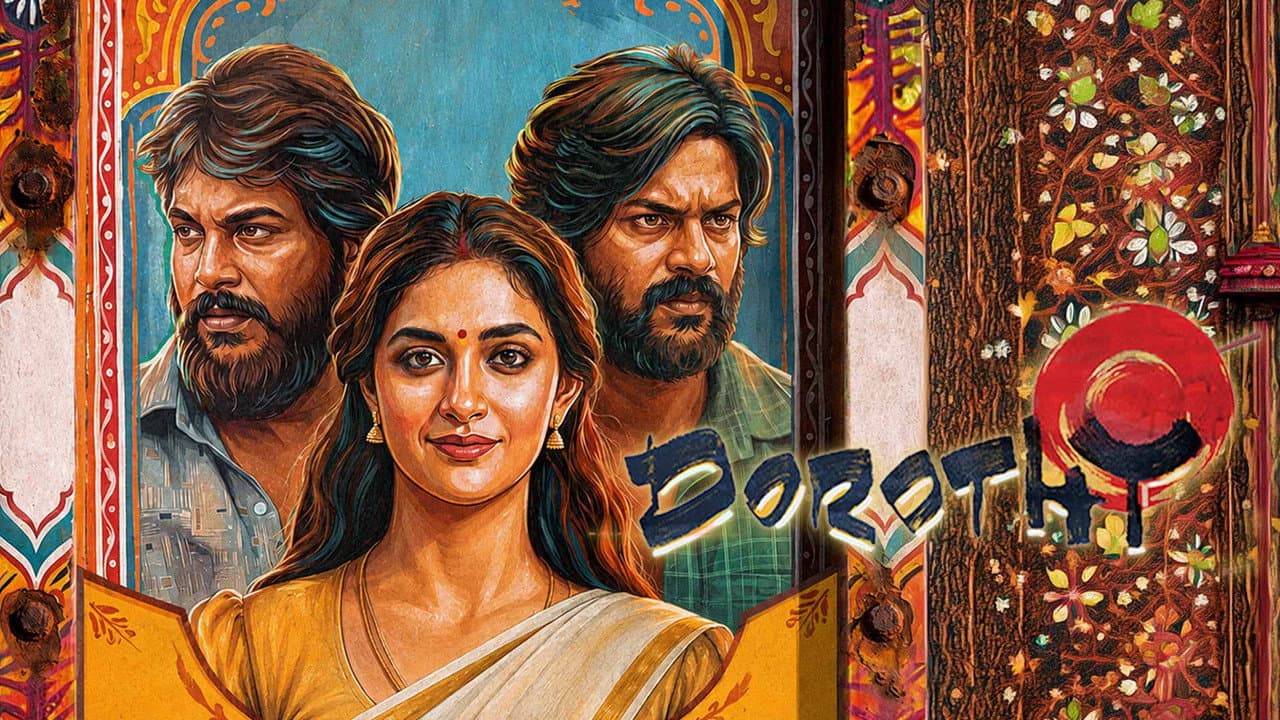
A Telugu-dubbed release of the Tamil film Dorothy, headlined by Keerthy Suresh, has been banned in a development that has caught the industry off guard barely a day after the movie reached theatres. The Karthik Subbaraj directorial, which opened on September 25, 2026, was pulled from screens amid growing confusion over the reasons behind the restriction, leaving exhibitors and audiences scrambling for answers.
The film, produced under the Tollywood banner and dubbed for Telugu-speaking viewers, had been positioned as one of the more ambitious crossover releases of the season. Its sudden removal from the exhibition circuit has triggered speculation across trade circles, though no official statement has emerged to clarify whether the ban stems from a regulatory directive, a distribution dispute, or concerns raised by certain groups.
A Story Rooted in Caste and Compassion
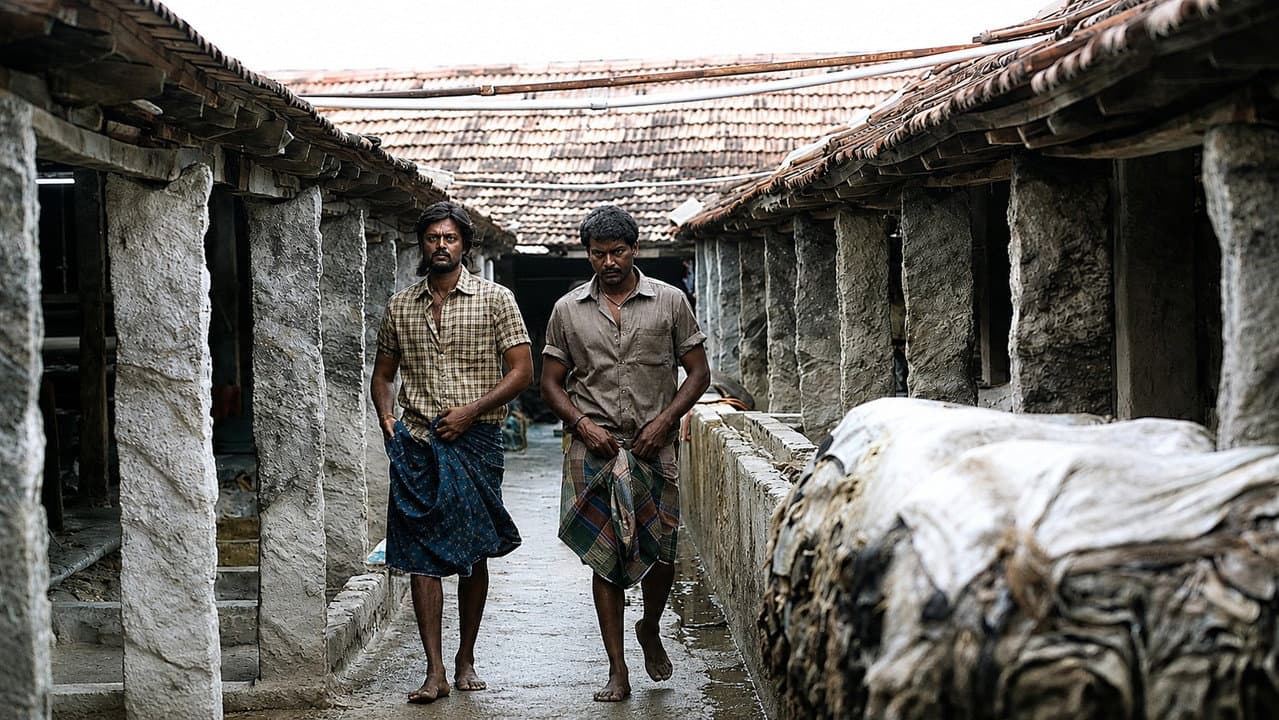
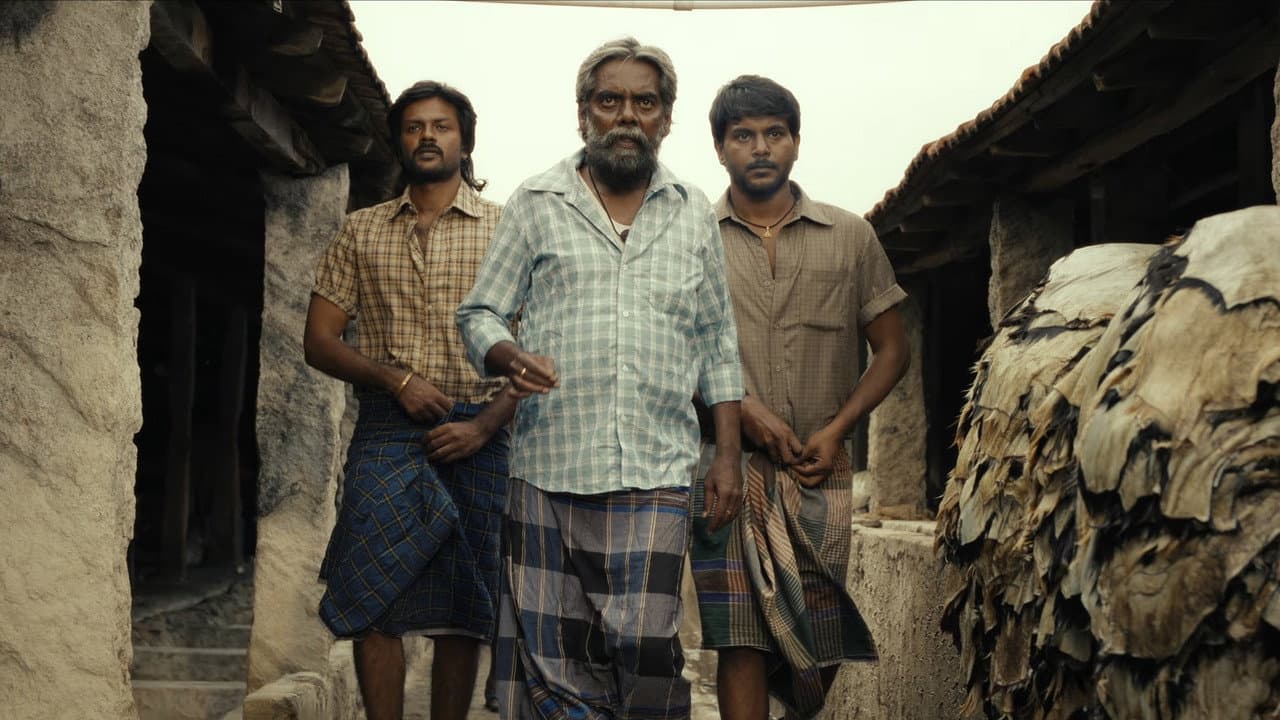
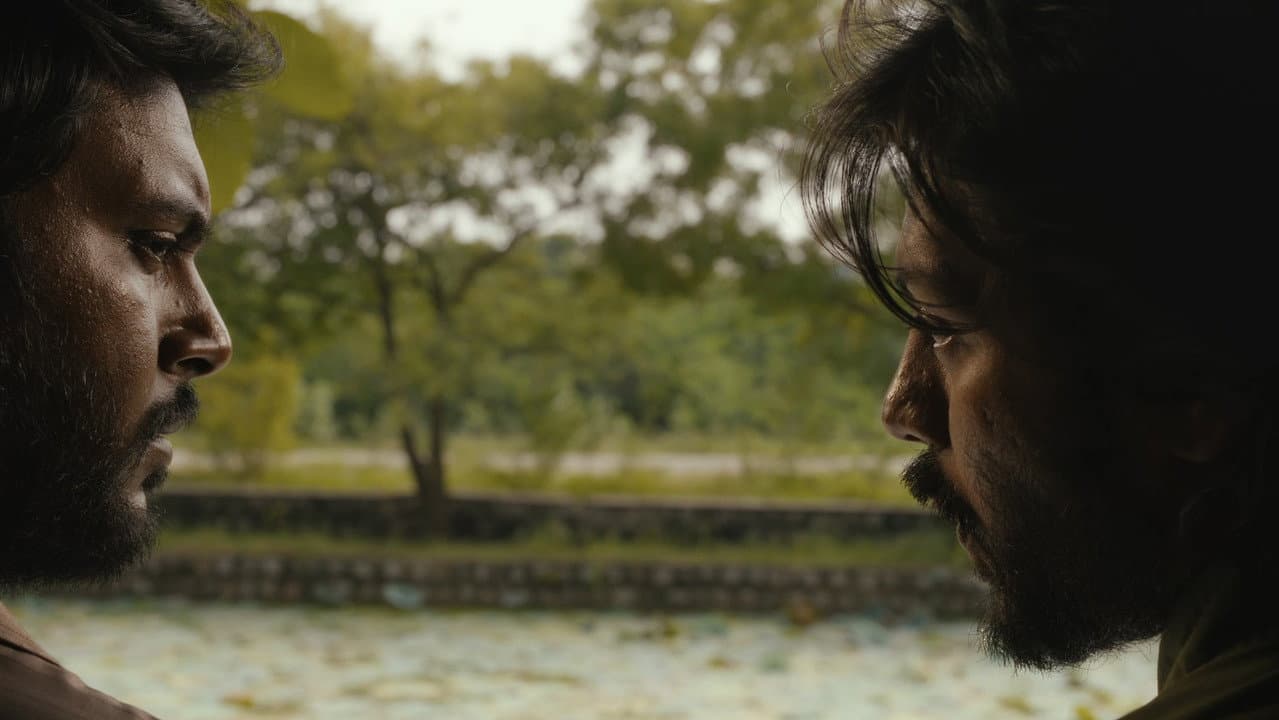
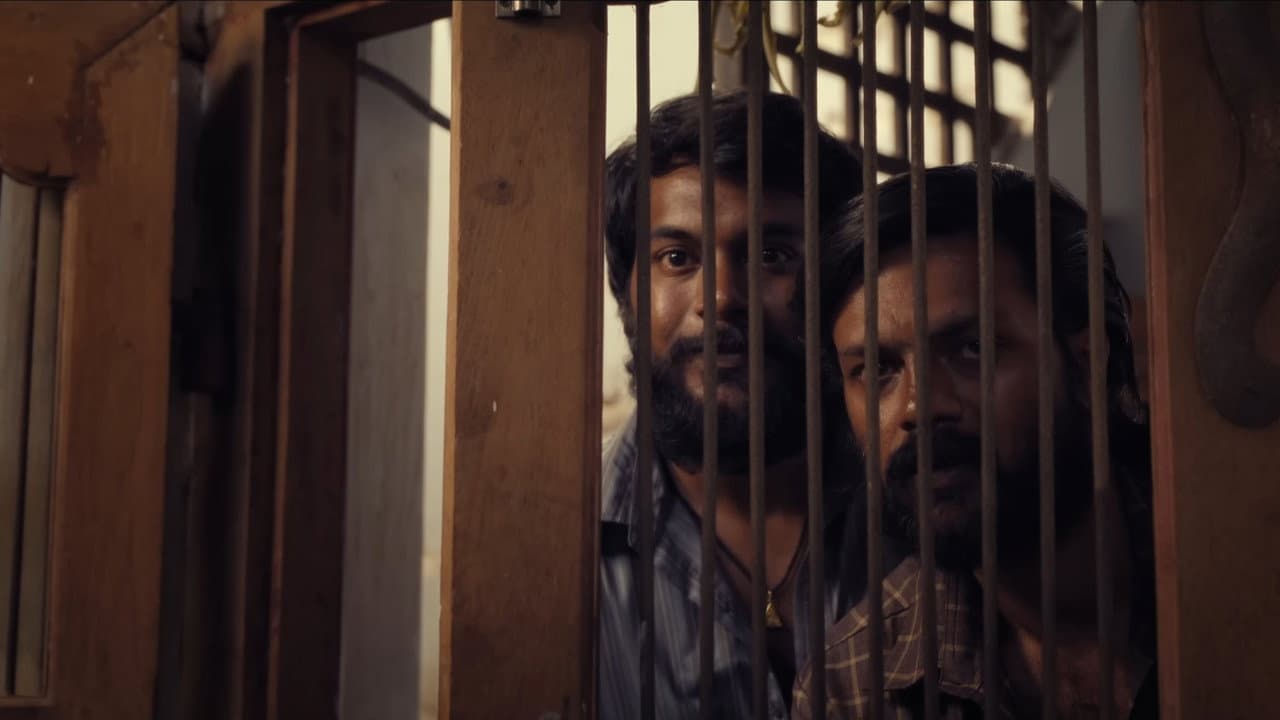
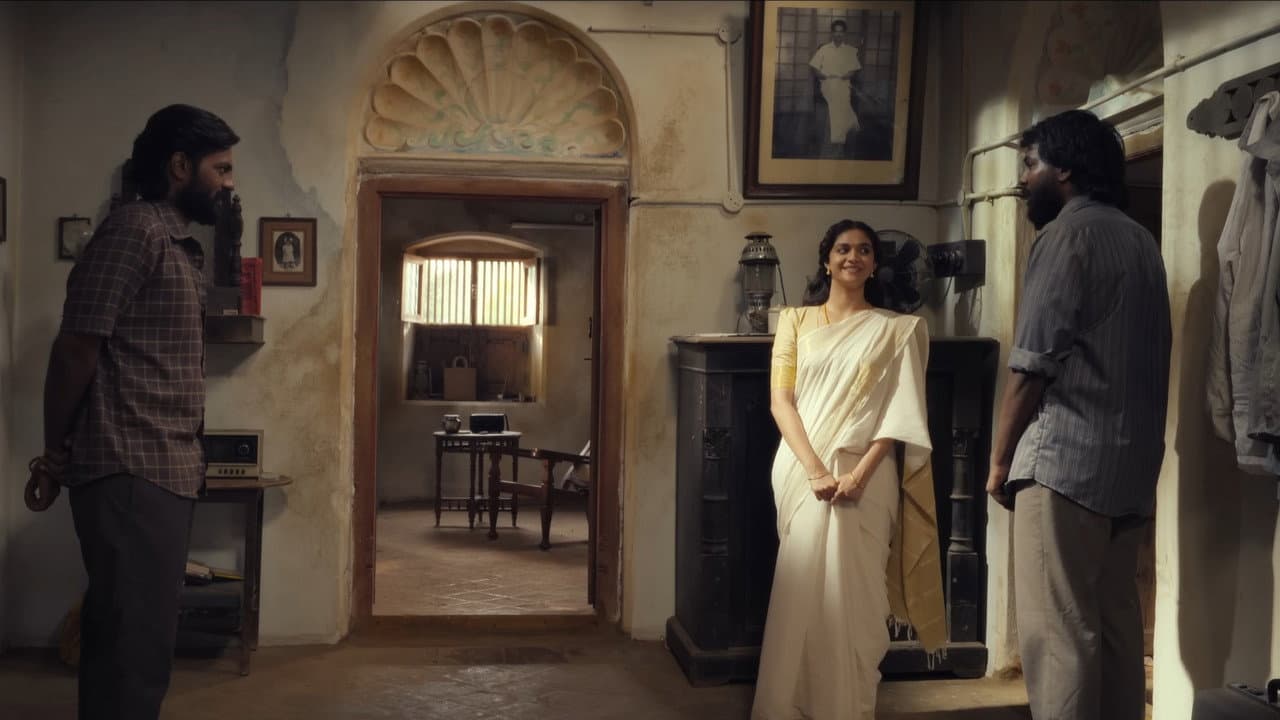
Dorothy unfolds in rural Tamil Nadu, in a world defined by rigid caste hierarchies, everyday violence, and an entrenched culture of toxic masculinity. At its centre are two childhood friends who grow up inseparable, their bond tested by the harsh realities of their surroundings. Into this fraught landscape arrives Dorothy, played by Keerthy Suresh, a woman whose quiet compassion begins to unsettle the established order.
The narrative blends action and adventure with drama and romance, running a full 150 minutes. Subbaraj, known for his ability to fuse genre thrills with sharp social observation, has assembled a cast that includes Sananth as Subbu, Rishikanth as Karthi, and Jeeva Subramanian. Ramachandran Durairaj, Muthukumar as Whistle Veeraiya, Soundara Raja, and Anthony Daasan, appearing as himself, round out the ensemble.
The film's themes - caste violence and the corrosive effects of aggressive masculinity - are hardly new territory for Tamil cinema, but Subbaraj's treatment appears to have struck a nerve. Whether that nerve is the source of the ban remains unconfirmed.
Keerthy Suresh's Pivotal Role
For Keerthy Suresh, Dorothy represents a significant departure from the roles that have defined her recent filmography. The National Award-winning actress has built a reputation for choosing projects that place women at the emotional centre of the story, and this film appears to continue that trajectory. Her character, Dorothy, functions as a catalyst - a figure whose empathy disrupts a community accustomed to brutality.
The actress has not publicly commented on the ban. Neither has Subbaraj, whose silence in the face of the controversy is notable given his usual willingness to engage with press and fans alike.
Distribution and Dubbing in Focus
The film's classification as a Tollywood release, despite its Tamil origins, points to the increasingly blurred lines between South Indian film industries. Dubbed versions have become a lucrative avenue for filmmakers seeking to expand their reach beyond their home markets, and Telugu audiences have embraced Tamil imports with growing enthusiasm in recent years.
That makes the ban particularly puzzling. A dubbed release typically undergoes certification and clearance well before its theatrical debut. For a film to be pulled after opening day suggests either a last-minute intervention or a problem that only surfaced once the content reached viewers.
Trade analysts have pointed out that the absence of a rating on TMDb - the film currently sits at 0/10, reflecting a lack of aggregated user reviews rather than a measure of quality - makes it difficult to gauge early audience response. Whether the ban is temporary or indefinite, and whether it applies to all Telugu-dubbed screenings or only specific regions, has not been clarified.
Questions Without Answers
The timing of the ban is especially awkward. Dorothy arrived in theatres with considerable anticipation, buoyed by Subbaraj's track record and Keerthy Suresh's star power. A single day later, that momentum has been halted.
Exhibitors who had allotted screens to the film now face scheduling gaps. Distributors are awaiting guidance. Audiences who had booked tickets are left uncertain about refunds or rescheduled shows. The lack of transparency has only amplified frustration.
It is worth noting that bans on films in India have historically emerged from a range of triggers - from political sensitivities and religious objections to contractual breaches and censorship rulings. Without an official explanation, any attribution of motive remains speculation.
What Comes Next
For now, Dorothy exists in limbo. The film has been made, certified, and released - and then, abruptly, restricted. Its cast and crew have yet to break their silence. Its producers have not issued a statement. Its future in the Telugu market hangs on decisions being made behind closed doors.
What is clear is that a film exploring caste, violence, and the possibility of compassion in a divided world has itself become the subject of a division. Whether that irony is intentional or incidental, it has turned a cinematic release into a broader conversation about who gets to tell which stories, and where those stories are allowed to be seen.
Telugu Movie Buzz will update this report as official information becomes available.
Source: Filmibeat Telugu