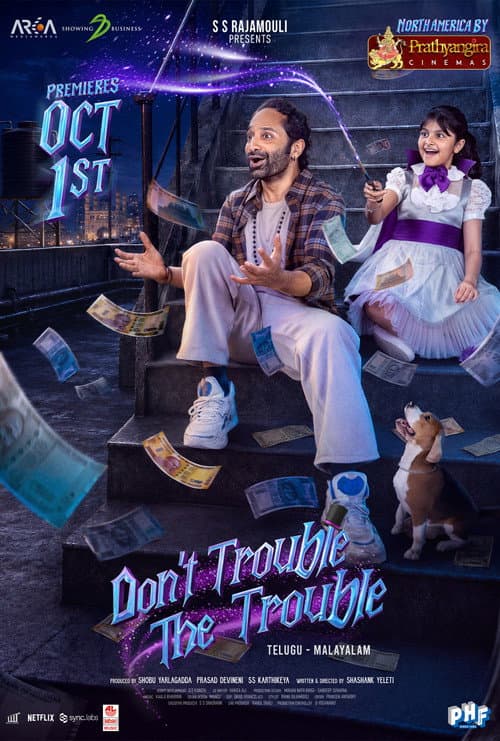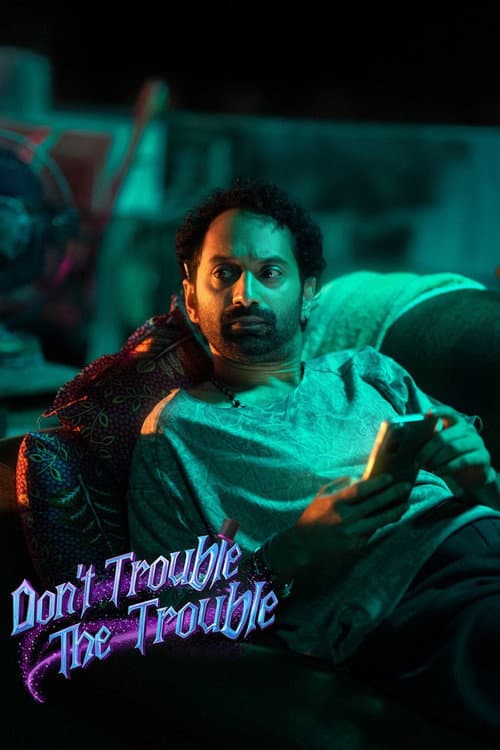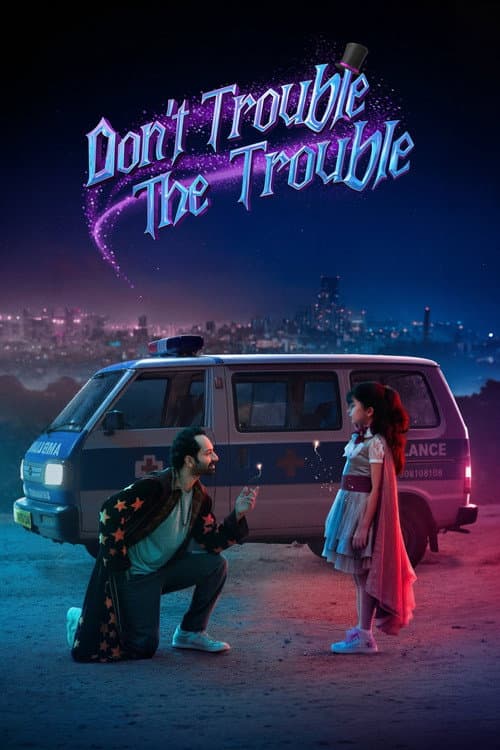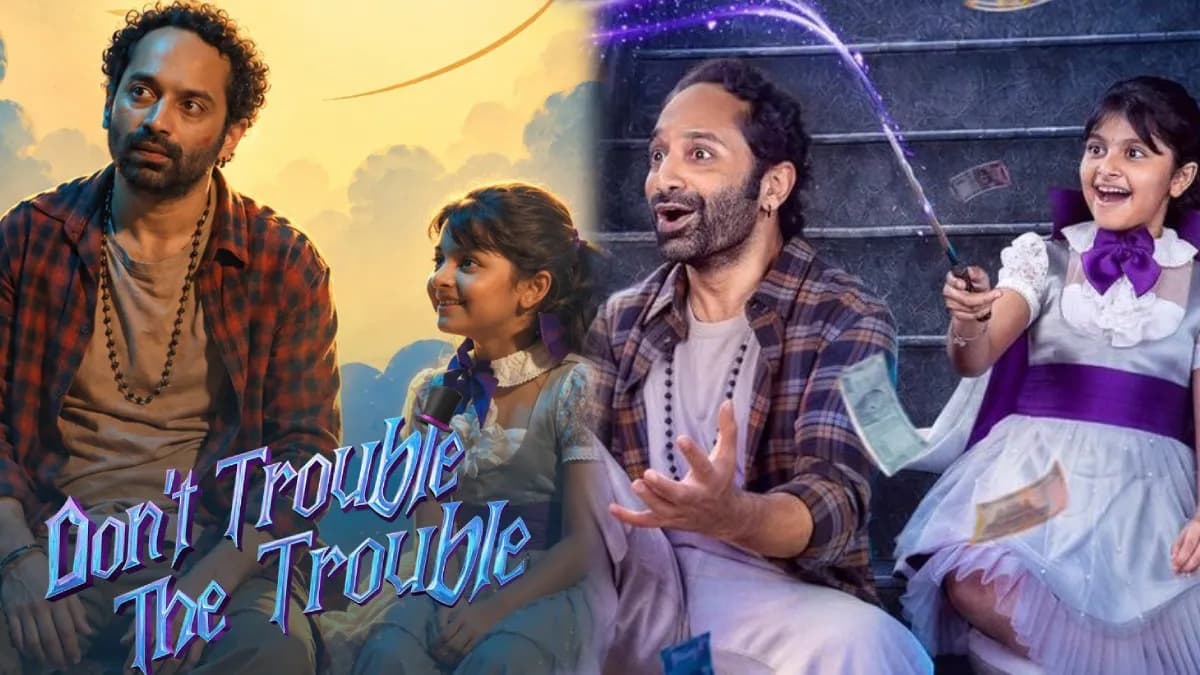

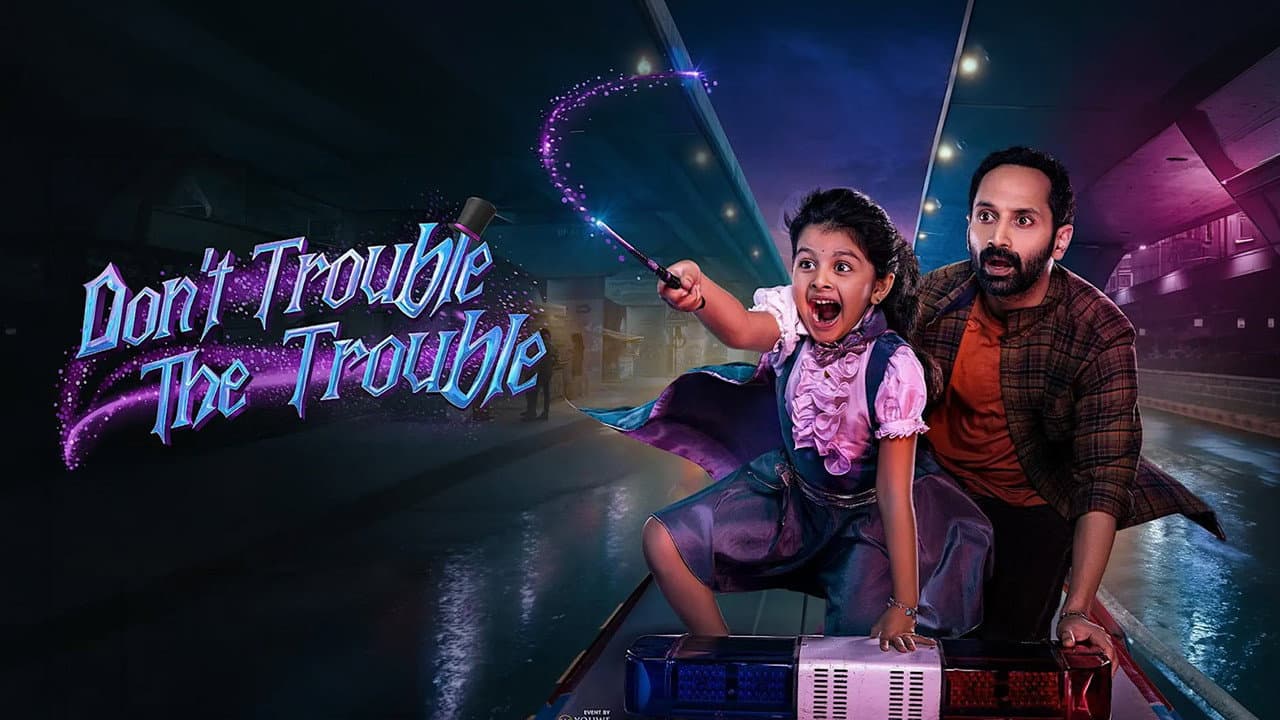
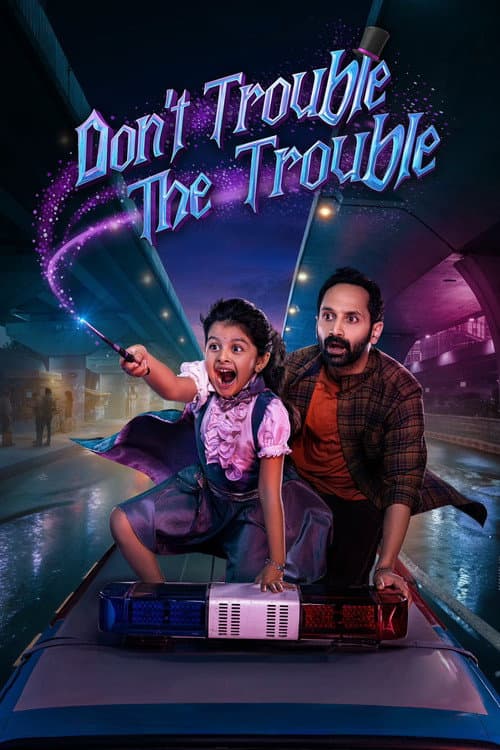
Don't Trouble the Trouble has wrapped its theatrical run, and the closing numbers paint a picture that Tollywood watchers did not see coming when the fantasy drama arrived in cinemas on October 2. The Shashank Yeleti directorial, headlined by Fahadh Faasil in the role of a stage magician named Suri, has ended its full theatrical cycle without recovering its investment - a result that has become the talking point of the season, especially given how loudly the title echoed the catchphrase of a certain filmmaking giant.
The film's premise was built around Suri, a magician whose trick goes catastrophically wrong when a spell sends a young girl into thin air. She returns as something far more dangerous - a genie with the power to grant wishes, and a short fuse to match. What follows is a tour of the city through the eyes of this childlike yet volatile force, with Suri scrambling to contain the chaos her temper unleashes. Packaged as a blend of fantasy, drama and action, the material invited comparisons to the kind of larger-than-life storytelling that has defined Telugu cinema's biggest successes in recent years. The title itself borrowed a mischievous twist on a phrase that audiences across the country associate with a very specific brand of spectacle - and that association, according to trade observers, may have cut both ways.
Where the film scored was in its craft. Reviews and audience chatter consistently flagged the visual imagination behind the genie sequences and the controlled silliness of the first half, with Ssara Palekar drawing particular praise for a turn that had to shift between innocence and menace without warning. Saurabh Sachdeva and Venkatesh Kakumanu rounded out a supporting cast that gave Yeleti's screenplay a lived-in texture. The runtime of 156 minutes, though, became a recurring complaint - several viewers argued that the middle stretch, where the genie's wish-granting escapades are at their most episodic, diluted the momentum of the central premise. A TMDb rating of 7 out of 10 suggests that those who did catch the film largely came away satisfied, but satisfaction among ticket buyers and success at the box office are two very different ledgers.
The gap between taste and turnout
That gap is at the heart of the disappointment. A 7 out of 10 aggregate score reflects genuine affection from the audience that showed up. The problem, in the blunt arithmetic of distribution, is how few showed up relative to what the film cost. The theatrical window was not long enough to build the kind of word-of-mouth that rescues a slow starter, and the early announcement of streaming arrival tends to dampen repeat footfalls in the second and third weeks. For a film whose appeal rested on spectacle, the big-screen advantage did not convert into sustained occupancy.
Fahadh Faasil's presence was expected to be a differentiator. The actor's reputation for choosing unusual material has earned him a loyal following that crosses linguistic lines, and his decision to lead a straight Telugu fantasy was widely read as a vote of confidence in Yeleti's vision. That faith was not misplaced on the creative front - his Suri is the film's most quietly funny creation - but star credibility alone could not offset the commercial headwinds. For a production that traded on scale, the closing tally lands as a loss, and the shortfall has been substantial enough to reignite the familiar debate about how much spectacle the market can absorb in a single festive corridor.
What the result means for Tollywood's fantasy gamble
The loss carries implications beyond a single title. Telugu cinema has spent the better part of a decade proving that mythological and fantasy frameworks can travel nationally and internationally, but every cycle produces cautionary tales alongside triumphs. Don't Trouble the Trouble was never positioned as a tentpole on the order of the industry's biggest outings, yet its numbers will be cited in production meetings for months. Producers weighing similar mid-budget fantasy projects will now ask harder questions about runtime discipline, marketing hooks, and the risky business of leaning on a title that invites audiences to measure the film against something much larger than itself.
None of this erases the work. Yeleti's film remains a curious, occasionally inspired piece of genre filmmaking, and the genie at its center - playful, petty, and terrifying in equal measure - is a creation that deserves a longer cultural life than a three-week theatrical run. Whether the film finds a second, more appreciative audience once it settles into streaming is now the only question left with a happy answer. For the people who financed it, though, that consolation arrives too late. The closing collections are in, and they spell a loss - the kind of loss that studios remember far longer than they remember a well-reviewed first half.
Source: Filmibeat Telugu