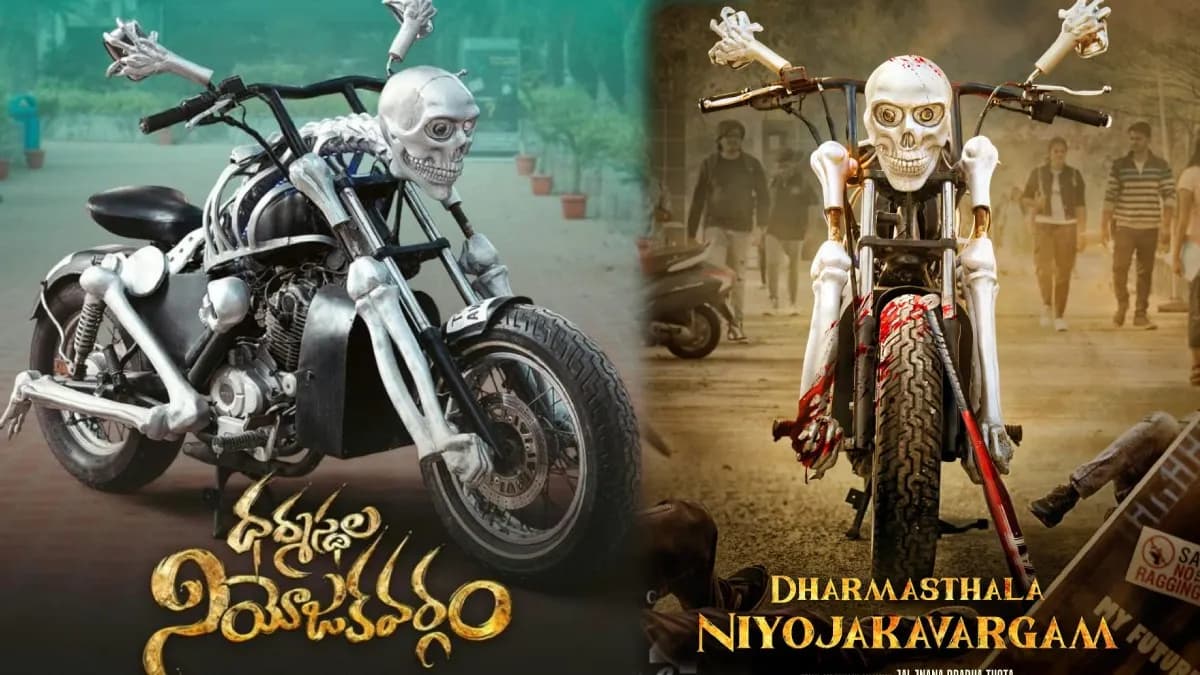
The first public screenings of Dharmasthala Niyojakavargam wrapped up last evening, and the initial word from the audience suggests this political drama has struck a chord with Telugu movie lovers. Early reactions pouring out of the premiere shows point to a film that balances raw emotional weight with the high-stakes maneuvering of local politics, though a few voices note the pacing takes its time in the middle act.
Set against the backdrop of a fiercely contested constituency, the narrative follows the rise of a common man thrust into the murky world of electoral power. While the title translates roughly to “Dharmasthala Constituency,” the story appears to be less about a specific real place and more a fictional microcosm of how power operates in rural Telangana and Andhra Pradesh. According to several viewers who walked out of the theaters, the first half establishes the world with deliberate care, introducing a sprawling cast of characters - from village elders to aspiring young leaders - before the second half shifts into intense confrontations and strategic gambits.
One of the most consistent points of praise centers on the lead performance. The actor anchoring the film is described by early responders as having shed all traces of his previous on-screen personas, delivering a portrayal that is both physically restrained and emotionally volatile. A recurring comment from attendees is that his transformation into a reluctant leader feels authentic, especially in the quieter moments where he wrestles with the moral compromises that politics demands. Supporting actors, particularly the antagonist who runs a parallel shadow government of bribes and intimidation, are also singled out for adding texture to the conflict. The female lead, though given a somewhat limited arc, reportedly makes her presence felt in two crucial scenes that steer the plot’s direction.
Director’s vision is another element drawing attention. Rather than resorting to high-octane action sequences or melodramatic twists, the filmmaker reportedly opts for a grounded, almost documentary-like realism. Long, unbroken shots of village squares and heated debates inside cramped offices give the movie a lived-in feel. However, this commitment to realism is a double-edged sword. Several audience members admitted that the first thirty to forty minutes are slow, with the screenplay investing heavily in establishing the socio-political hierarchy of the region before the central conflict truly ignites. This deliberate setup may test the patience of viewers expecting a more immediate pay-off.
The technical craft is earning near-universal approval, particularly the cinematography. The camera captures the dust and heat of the rural landscape, contrasting it with the sterile, air-conditioned corridors where backroom deals are struck. The background score is described as effective rather than flashy, swelling at key emotional beats without overpowering the dialogue. Editing, however, receives mixed remarks - while the second half tightens considerably, some critics in the early crowd felt a few subplots involving minor characters could have been trimmed to sharpen the focus.
Thematically, the movie reportedly does not shy away from uncomfortable truths. It touches on caste dynamics, the commodification of votes, and the hypocrisy of politicians who promise development while quietly enriching themselves. One particular sequence, where a village elder breaks down describing how a new highway will displace families, is being called the emotional heart of the film. Several viewers noted that the movie’s climax avoids a clean, heroic resolution, opting instead for a cynical yet realistic ending that leaves room for a necessary conversation.
On the positive side, the dialogue writing is being lauded for its authenticity - lines are delivered in a natural mix of dialect and formal Telugu, with few moments of forced punch-dialogue that often plague political films. The production design, particularly the election campaign offices cluttered with posters and party flags, adds another layer of believability.
Yet, there are criticisms beyond the pacing. A segment of the audience expressed disappointment that certain supporting characters, introduced with great promise, are abandoned without resolution. The romantic subplot, while tasteful, is described as underdeveloped, serving more as a plot device than a genuine emotional arc. Additionally, the film’s second half contains a lengthy courtroom-style debate scene that, while well-acted, slows the narrative momentum right before the final stretch.
For fans of serious, message-driven cinema, Dharmasthala Niyojakavargam appears to be a rewarding experience. Those seeking a mass entertainer with high-voltage action or romantic songs may find the film’s sober tone off-putting. The general consensus from first-day viewers is that this is a mature, assured piece of filmmaking that respects its audience’s intelligence, even if it occasionally overestimates their patience.
As with any premiere, the true test will come with the wider weekend release. Trade experts within the early crowd suggest that positive word-of-mouth could drive decent collections in urban centers and smaller towns where politically themed dramas have a dedicated audience. But whether the slow-burn narrative can attract the family crowd that typically defines box-office success remains an open question.
One thing is clear from the initial reviews: this is not a film that will leave anyone indifferent. It is a bold, occasionally flawed, but heartfelt attempt to understand why ordinary people fight so hard for a seat of power - and what that fight does to their souls. For cinema lovers who appreciate nuance over spectacle, Dharmasthala Niyojakavargam is well worth a watch this week.
Source: Filmibeat Telugu