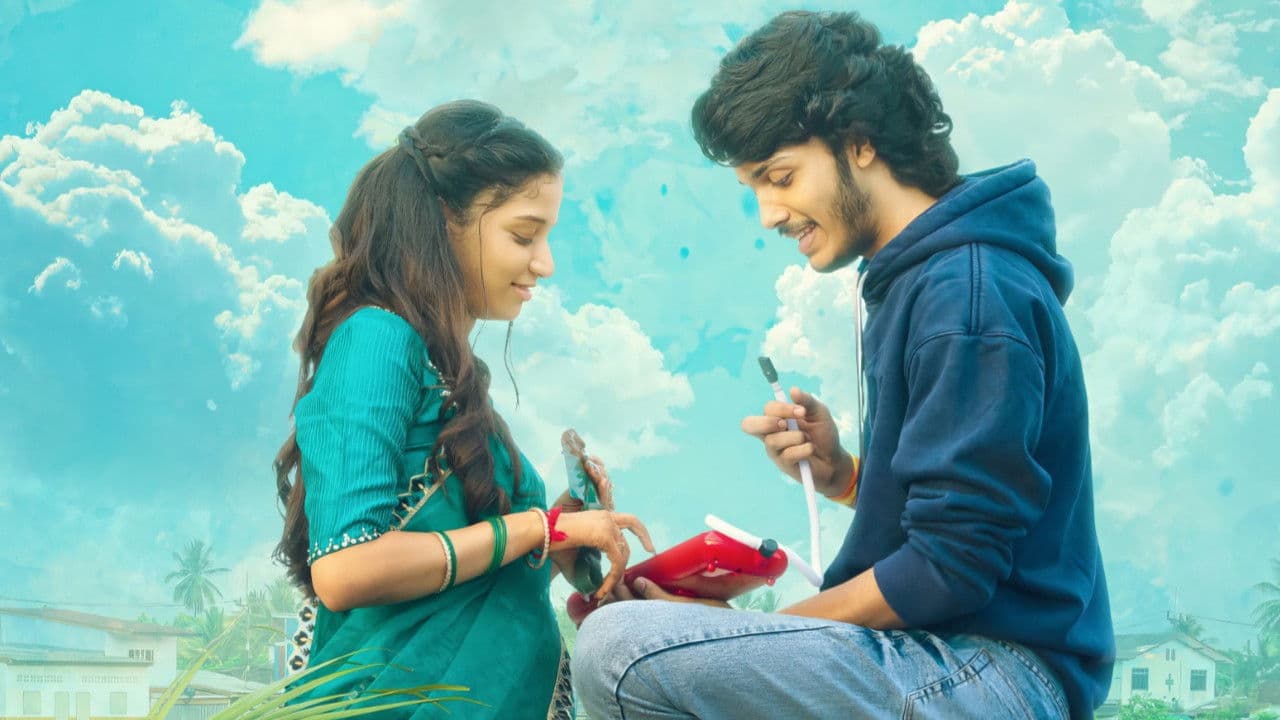
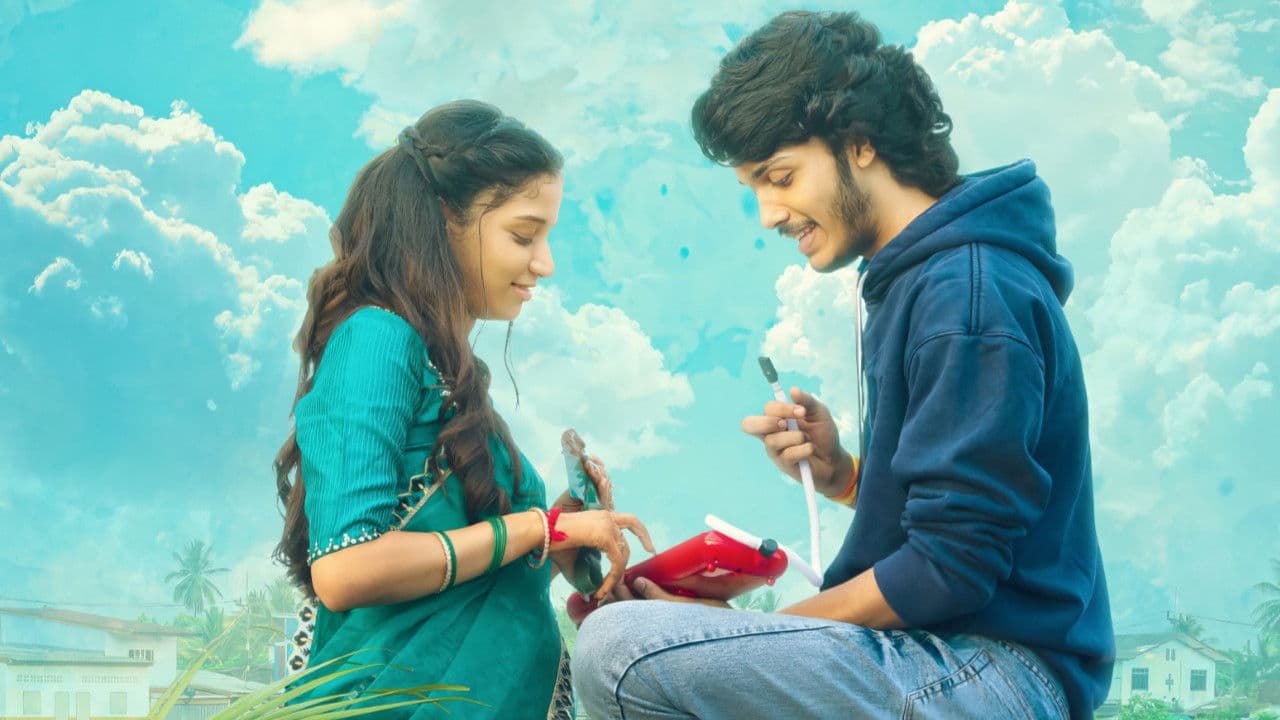
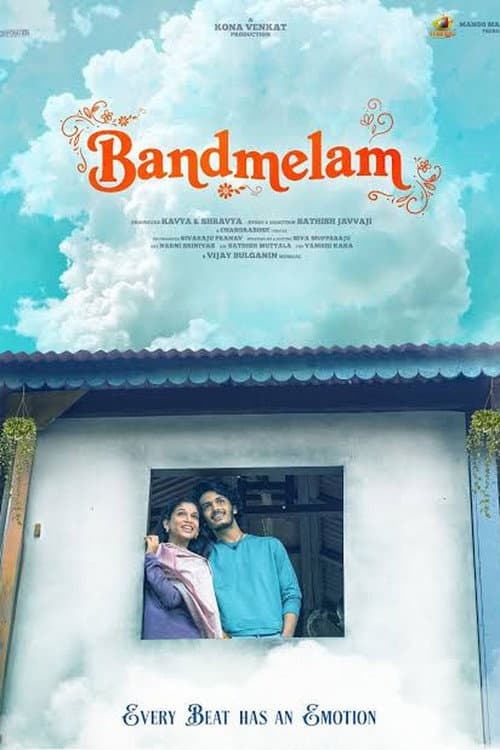
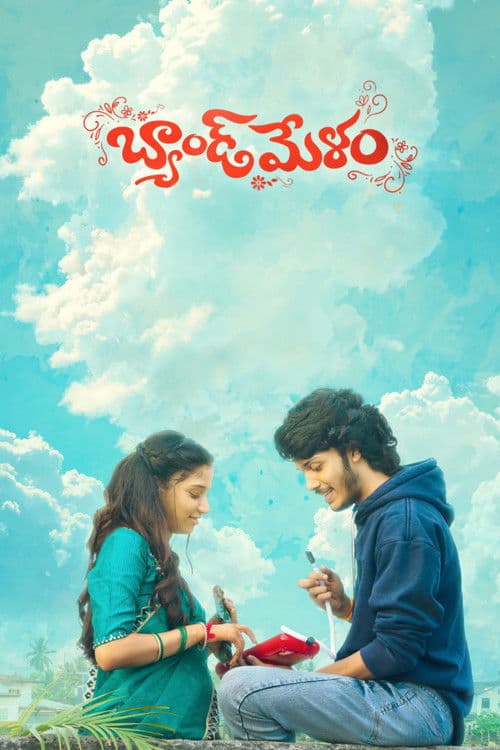
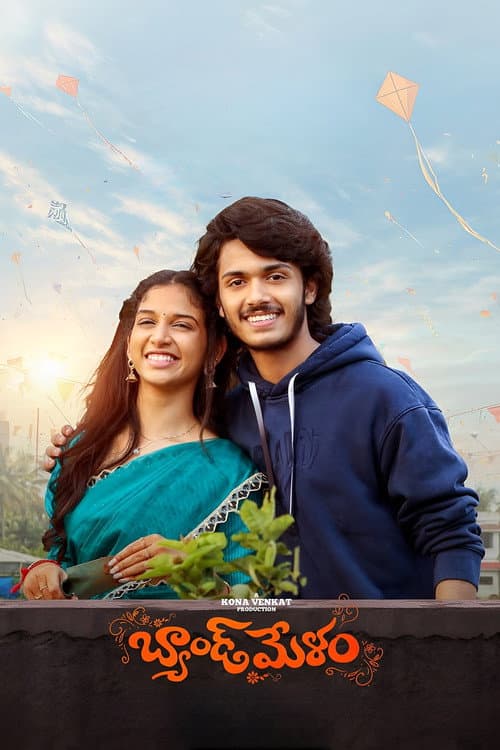
Sathish Javvaji directs with a clear reverence for the Telugu village backdrop - the red earth, the temple bells, the dusty lanes where gossip travels faster than light. The cinematography captures a raw, lived-in beauty; you can almost feel the humidity and hear the cicadas. The director wisely lets the camera linger on the actors’ faces during key scenes, trusting Harsh Roshan and Sridevi Apalla to carry the silence.
And they do. Roshan’s Giri is a beautifully understated performance - a boy-man who wears his heartbreak on his sleeve, yet never tips into melodrama. Watch his eyes during the scene where he watches Rajamma’s engagement photo being circulated. He doesn’t cry; he just blinks a little slower, swallows once, and turns away. That’s the kind of acting that elevates a workmanlike script. Sridevi Apalla, as Rajamma, matches him beat for beat. She portrays a woman torn between duty and desire with subtlety - her small smile at a memory, the way she clutches her dupatta when she sees Giri after years apart. Sai Kumar, as the village elder, provides gravitas, though his role feels underutilized.
The music, unsurprisingly given the title, is the film’s heartbeat. The band sequences - rowdy, chaotic, and full of off-tempo energy - are the most alive moments in the film. One sequence, where Giri’s band plays a wedding song only to watch the bride dance with another man, is simultaneously joyous and heartbreaking. The background score, however, occasionally overwhelms quieter scenes, as if afraid the audience won’t feel the emotion without a siren call.
Where “Band Melam” stumbles is in its second act. The middle stretches feel padded, with repetitive scenes of Giri moping and Rajamma looking conflicted. The “misunderstanding” that originally separates them feels flimsy - a single overheard conversation that could have been resolved with two minutes of honest talk. The film also leans heavily on coincidences that strain credibility. And the climax, while emotionally satisfying, wraps up a little too neatly. Real life rarely offers such tidy resolutions.
The runtime of 141 minutes could have been trimmed by at least fifteen minutes. A few subplots - particularly involving Giri’s bandmates and their personal dramas - feel like filler, distracting from the central romance. The dialogue, mostly natural, occasionally dips into exposition-heavy speechifying, as if the director didn’t trust the audience to understand the stakes.