Villains Dance in Item Songs, Not Heroes? Telugu Debate
Read why filmmaker argues villains, not heroes, should groove around heroines in item numbers. Bold take sparks online row.
Advertisement
Read why filmmaker argues villains, not heroes, should groove around heroines in item numbers. Bold take sparks online row.
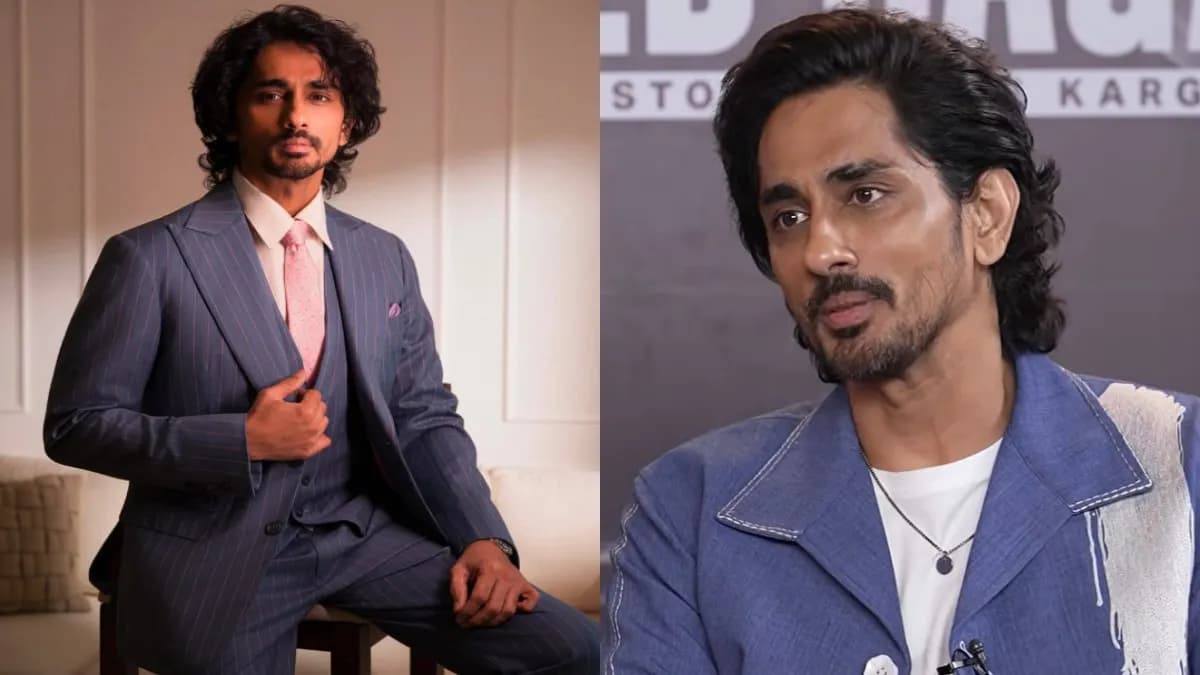
A veteran Telugu filmmaker has sparked a fresh debate by questioning the industry's persistent obsession with placing heroes at the center of item numbers, while pointing out that it is often the antagonists who elevate these sequences with their raw energy. The director, known for his candid takes, made these remarks during a recent promotional interaction, and his comments have quickly become a talking point among cinephiles and trade analysts alike. The core of his argument is a simple yet provocative one: why do leading men surround the female performer in these high-octane tracks, when the film's own villains frequently steal the show with their uninhibited dance moves?
The filmmaker did not mince words when addressing the double standard. He observed that audiences have seen numerous instances where the so-called "villain" characters - often relegated to the background in the narrative - transform into the life of a party song. These actors, he argued, bring a certain reckless abandon to their steps, a quality that sometimes eclipses the hero's polished but predictable moves. The director’s pointed question, roughly translated as, “Villains will be jumping around for item songs... why are heroes around the girl instead?” has struck a chord because it highlights a creative paradox. If the negative characters are the ones generating the visual excitement, the logic of reserving the frame for the hero in these moments appears increasingly outdated.
The statement arrives at a time when Telugu cinema is seeing a notable shift in how item numbers are conceptualized. For decades, the template was almost rigid: a glamorous track would feature the hero as the primary male presence, with the heroine or a guest dancer performing around him. However, the director’s observation points to a subtler trend in recent blockbusters, where the most memorable dance moments in commercial films have often come from actors playing antagonists. Their exaggerated expressions, fluid yet aggressive body language, and the sheer freedom to act without the constraints of a "heroic" image have made their segments viral sensations. The filmmaker’s critique is essentially a call for introspection - if the villain is the one getting the audience on their feet, why is the hero still the default choice for these sequences?
This is not merely a matter of casting, but also of choreography and narrative logic. The director elaborated that an item song traditionally exists to provide a visual break, a moment of celebration or seduction that temporarily pauses the plot. In that space, the hero’s primary job is to be a passive recipient of the dancer's attention, which often results in static framing and repetitive gestures. In contrast, a villain, free from the burden of maintaining an idealized image, can engage in more dynamic interactions with the dancer and the environment. He can be playful, menacing, or even comically lecherous, which adds layers to the performance. The filmmaker’s frustration seems to stem from a missed opportunity - why restrict the male presence to a single archetype when the script already has a character who can provide a more theatrical counterpoint?
The reaction from the industry has been mixed, which is typical for such a pointed observation. Some producers and choreographers privately agree, noting that the era of the "hero standing with his hands in his pockets" is fading. They point to recent hits where supporting actors or negative leads have been given their own dance-focused track, and the audience response has been overwhelmingly positive. These sequences often outperform the film’s main songs on streaming platforms and social media, a clear indicator of where the public's interest lies. On the other hand, a section of the industry defends the traditional approach, arguing that the hero's presence is a matter of commercial insurance. In a mass entertainer, the top star’s face is a selling point, and his absence from a major promotional number could be misread as a lack of screen time. This camp believes that the villain’s appeal, while strong in isolated clips, does not necessarily translate to box-office pull for the film’s opening weekend.
The debate also touches upon a deeper issue of writing. The filmmaker subtly implied that the reliance on heroes for item songs is a symptom of lazy screenwriting. If the narrative is built around a compelling antagonist, why not let that energy spill into the song sequence? The current trend, he suggested, is to graft a song onto the plot rather than let it emerge organically from the conflict between the hero and the villain. For instance, a track where the villain crashes the hero’s celebration could offer both a dance spectacle and a narrative payoff. Instead, what audiences often get is a standalone sequence that feels disconnected from the characters’ motivations.
While the director did not name specific films or actors, his remarks resonate with a broader generational shift. Telugu audiences are increasingly discerning, and they reward novelty. The success of unconventional pairings in songs - where the male performer is not the top-billed star - has proven that the box office rewards risk. The filmmaker’s final appeal was directed at his peers: to trust the craft over the contract. He urged directors to cast the best dancer for the song, regardless of their billing, because the item number’s primary purpose is to entertain, not to serve as a promotional poster for the hero.
As the industry digests this commentary, the question remains whether it will lead to tangible change. For now, it has certainly given fans a new lens through which to watch the next big release. The ball is now in the court of directors and choreographers. Will they listen to a veteran's plea and give the villain the spotlight, or will the old formula hold steady? The next few big-ticket releases will likely provide the answer. This controversy, born from a single candid sentence, has managed to open a necessary conversation about creativity, star power, and the true meaning of a show-stopper.
Source: Filmibeat Telugu
Advertisement
Advertisement