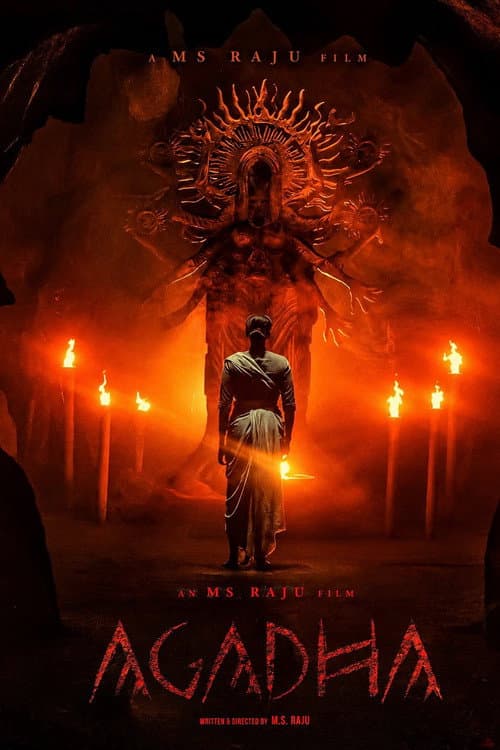
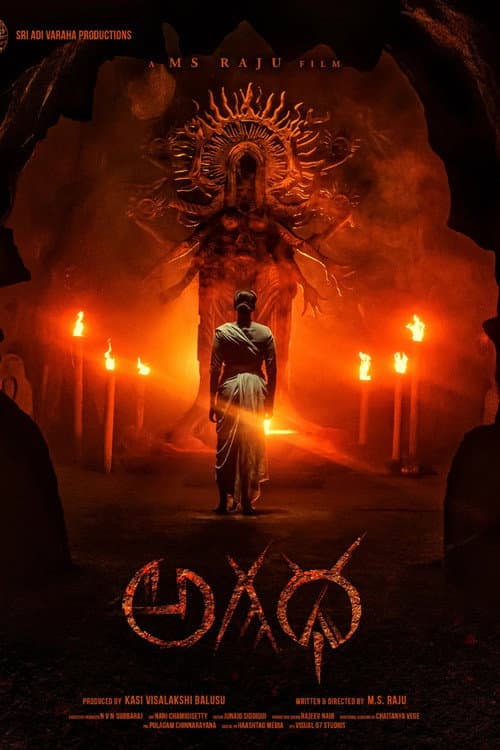
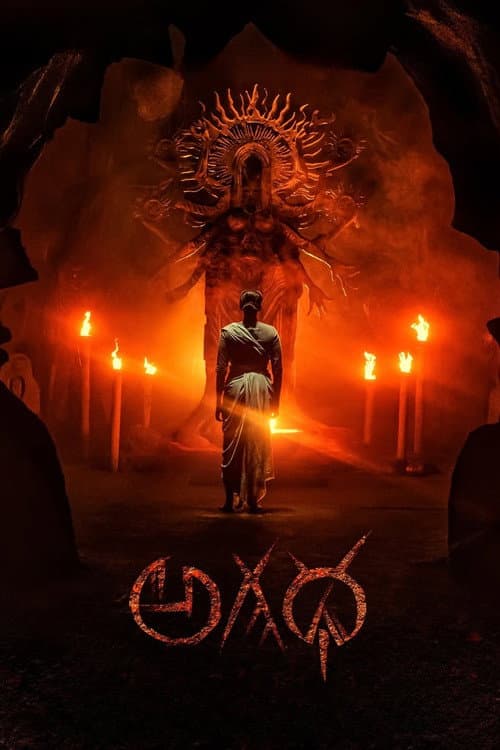
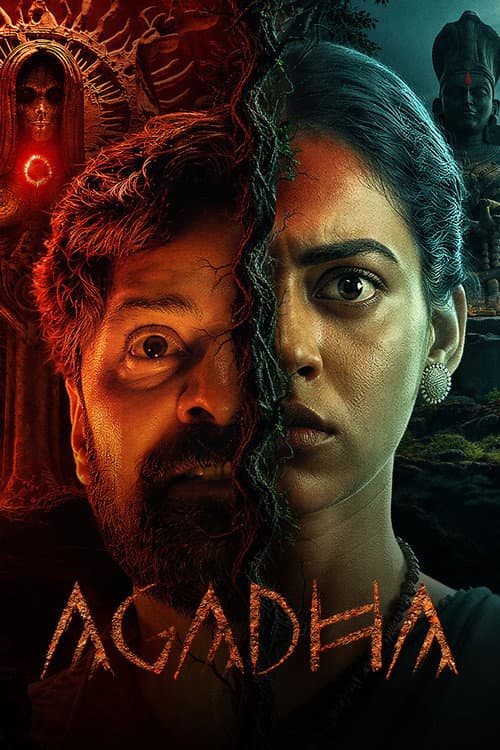
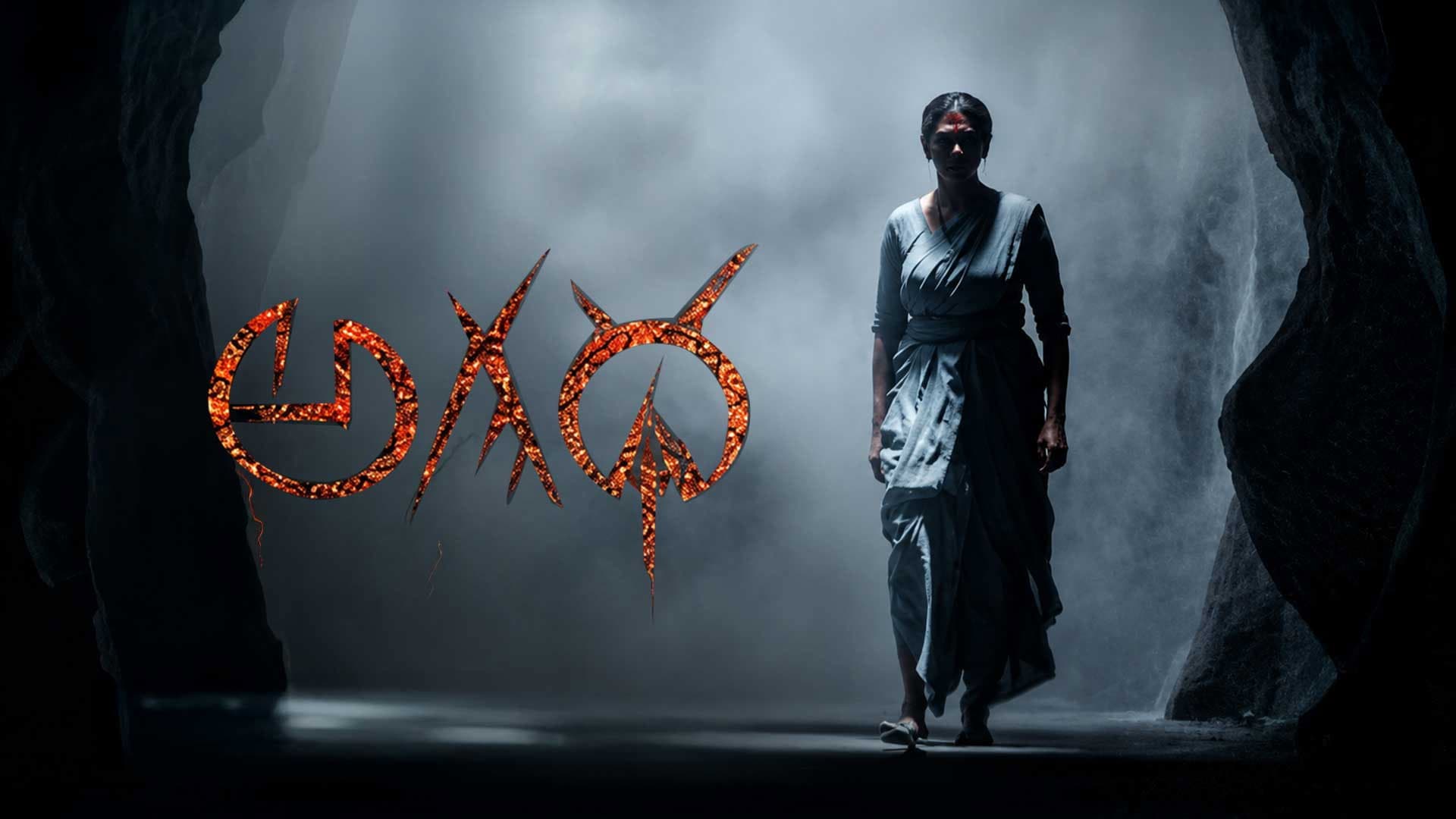
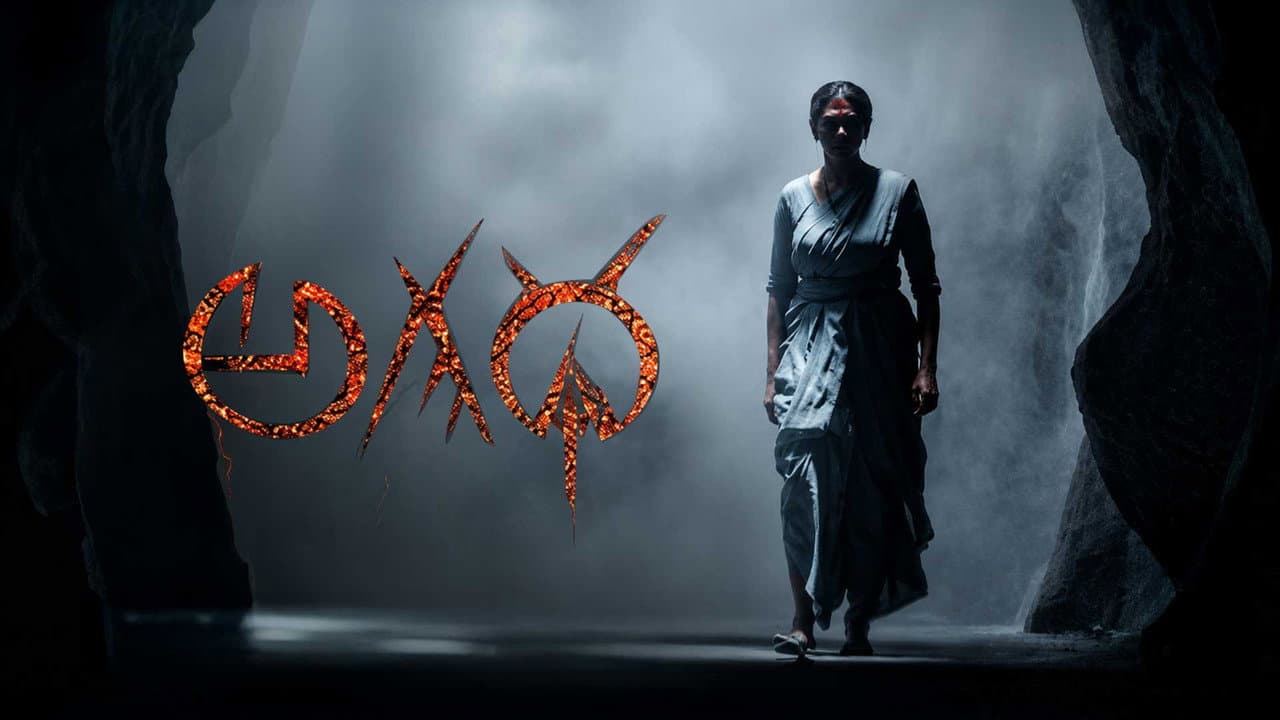
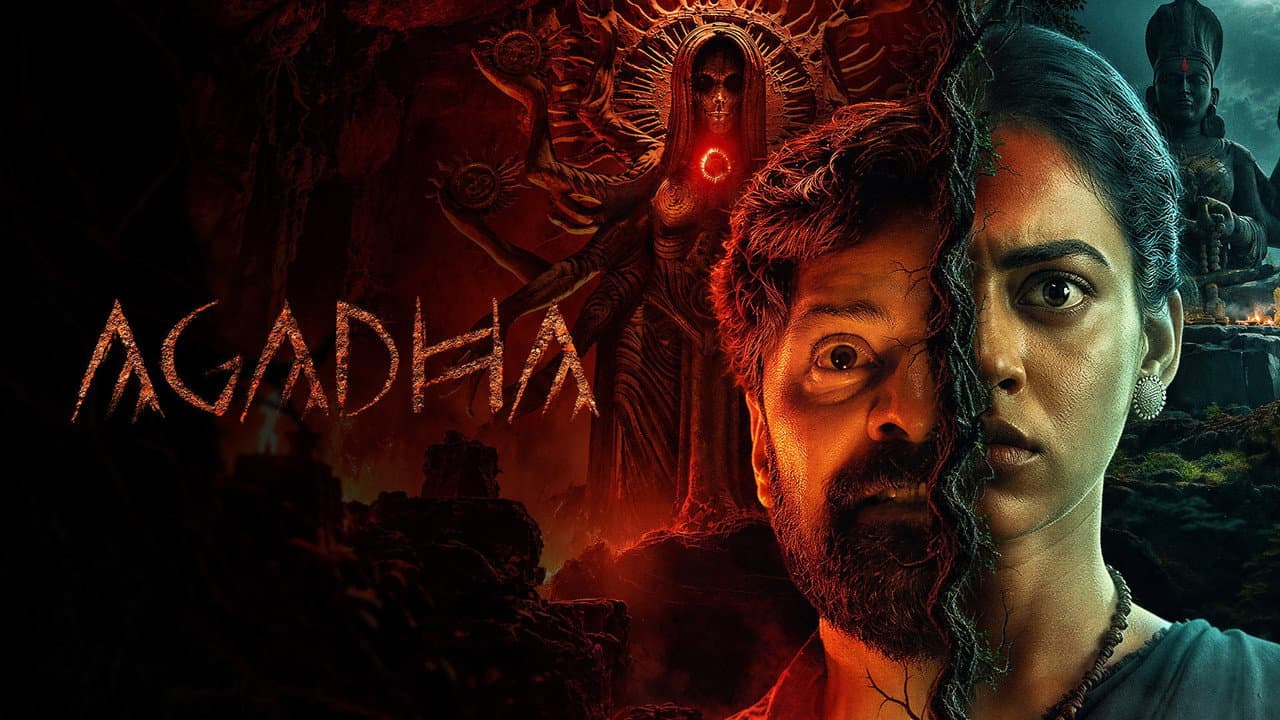
The plot is skeletal by design. A solitary girl, played with fierce, wide-eyed intensity by Kamakshi Bhaskarla, wanders into a vast, torch-lit cave system. She is not lost; she is searching. Inside, she discovers a colossal, twelve-handed idol carved from black stone, its many arms frozen in mudras that feel both protective and threatening. The narrative unfolds as a series of escalating encounters - not with other people, but with the idol itself, with the shifting light, and with the whispers of her own past. Shravan Reddy appears as a spectral, enigmatic presence, a man who may be a guide, a guardian, or a hallucination. There are no clear villains, no chase sequences, and no dialogue-heavy expository scenes. The story is essentially a one-woman pilgrimage into the unknown, where the mystery is not what happens, but why she is there and what the idol wants.
Agadha (2026) Movie Review: M.S. Raju’s Telugu Thriller
Director
M. S. Raju
Language
TE
Release
2026-08-13
Runtime
137 min
Quick Verdict
Agadha is an audacious, visually arresting mood piece that prioritises atmosphere over narrative momentum. It’s a film you admire more than you enjoy, carried by a magnetic lead performance and a genuinely unsettling central image. However, its glacial pacing and deliberately opaque storytelling will frustrate anyone seeking a conventional payoff. For patient viewers who appreciate cinematic texture and spiritual ambiguity, it’s a rewarding, haunting experience. For everyone else? It’s a 137-minute test of endurance.
Story
Review
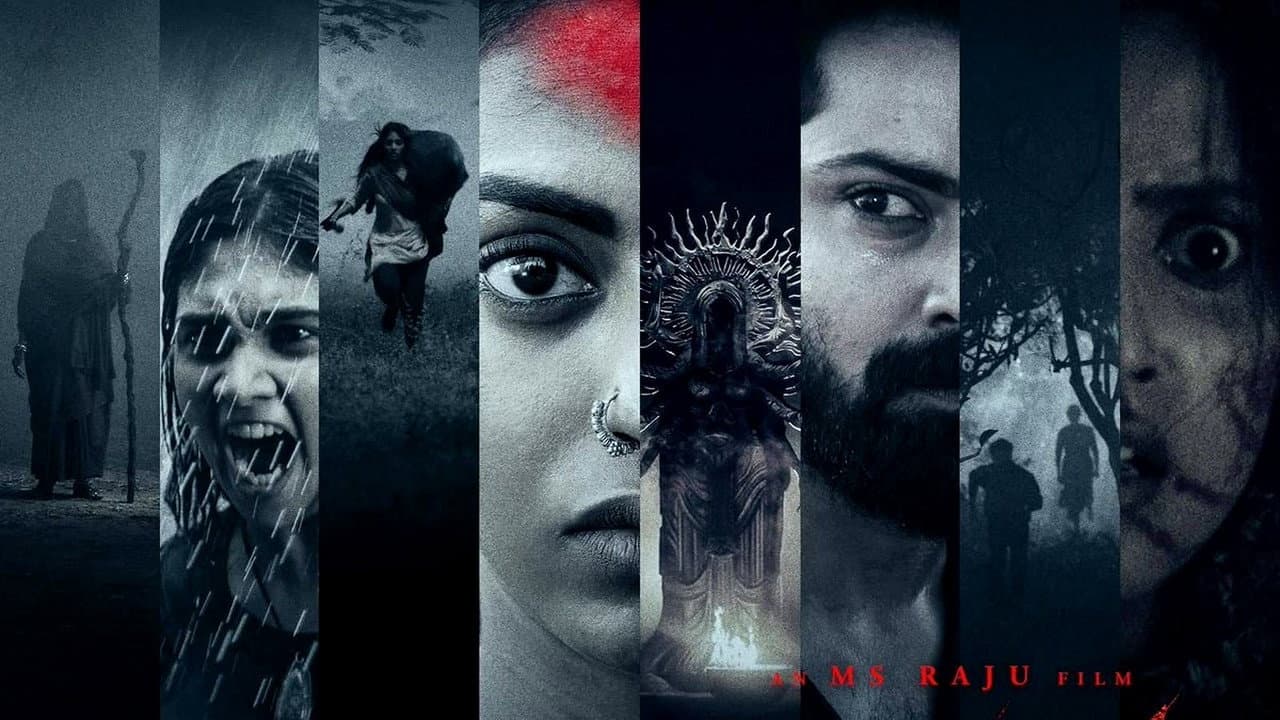
M. S. Raju, known for his more mainstream romantic dramas, takes a radical left turn here, and the result is a film that looks and feels unlike anything he’s done before. The cinematography is the true star. The cave is rendered as a living, breathing organism of flickering flame and oppressive black. The twelve-handed idol is a masterstroke of practical design and CGI augmentation; it dominates every frame it’s in, its multiple arms creating a sense of overwhelming, dizzying divinity. The sound design deserves special mention - a constant, low-frequency drone that builds anxiety, punctuated by the sharp crackle of torches and the girl’s ragged breathing.
Bhaskarla is phenomenal. She carries nearly the entire film on her shoulders, and her performance is a masterclass in physical storytelling. Her eyes dart between hope and terror, her body language shifting from a hunched, fearful posture to a defiant, upright stance as the film progresses. She speaks very little, but her internal journey is written all over her face. The supporting cast, including Ulka Gupta and Roshan Basheer, appear in brief, almost dreamlike flashbacks that hint at a trauma that drives her, but these scenes are frustratingly vague.
This is where Agadha stumbles. The deliberate obscurity begins to feel less like artistic choice and more like a lack of narrative clarity. We are given fragments of a backstory - a lost family, a broken promise - but they’re never assembled into a coherent emotional thesis. The film is a series of powerful, striking set pieces - the idol’s eyes glowing, a hand moving in the periphery, a whispered prayer - but they don't connect into a satisfying narrative arc. The thriller elements are potent in the moment, but they lack the structural scaffolding that would make the tension land. The climax, which should be a cathartic release, is instead another cryptic vision, leaving more questions than answers. It’s a choice that feels intellectually dishonest, as if the film believes ambiguity is a substitute for meaning.
That said, when the film locks into its groove, it’s hypnotic. There’s a sequence where the girl interacts with the idol’s looming shadow, dancing with it as if possessed, that is genuinely unsettling and beautiful. The mood is relentless. This is a film that trusts its visuals and its atmosphere implicitly, and in that sense, it succeeds admirably. It is a pure sensory experience, a fever dream captured on celluloid. Whether that fever dream is a masterpiece or a migraine is a matter of personal tolerance.
Pros & Cons
Pros
- Kamakshi Bhaskarla's tour-de-force, physically demanding lead performance.
- Stunning, atmospheric cinematography that makes the cave a character in itself.
- The twelve-handed idol is a spectacular, iconic piece of visual design.
- Immersive sound design that builds a constant sense of dread.
- A bold, uncompromising artistic vision from director M. S. Raju.
Cons
- Pacing is agonisingly slow, with long stretches of near-static scenes.
- The plot is frustratingly opaque, treating mystery as an end rather than a means.
- Underdeveloped supporting characters who exist only as vague plot devices.
- The climax offers no emotional or narrative closure, which may alienate audiences.
- The ambiguity feels more like obfuscation than meaningful depth by the end.
Rating Breakdown
Final Verdict
Agadha is a difficult film to recommend, and an even harder one to forget. It’s a beautiful, flawed, and deeply frustrating artifact - a film that is often more interesting to discuss than it is to watch. It succeeds as a piece of atmospheric art, a daring, unconventional experiment that pushes the boundaries of Telugu commercial cinema. As a narrative, however, it is a failure, a puzzle without a solution that mistakes inscrutability for profundity. For cinephiles who appreciate the texture of filmmaking, this is a must-see for its visuals and Bhaskarla’s raw power. For the average moviegoer looking for a story, Agadha may feel like an endless night in a cave with no exit. It’s a bold, ambitious misfire, but a memorable one. Watch it for the imagery, the mood, and the sheer, insane craft on display. Just don’t expect it to make sense - it will only offer you the shadow of an answer.
Cast

Kamakshi Bhaskarla
Shravan Reddy

Ulka Gupta
Jovika Vijaykumar

Roshan Basheer

Bhanuchander

Keshav Deepak
Viva Raghav
Shreya Rani Reddy

Shiju

Vanitha Vijayakumar
Gallery