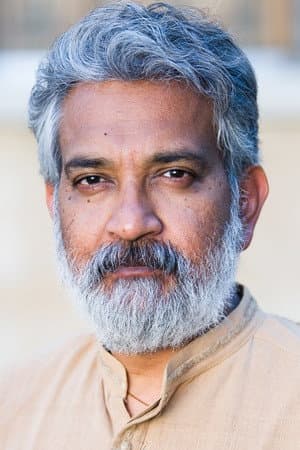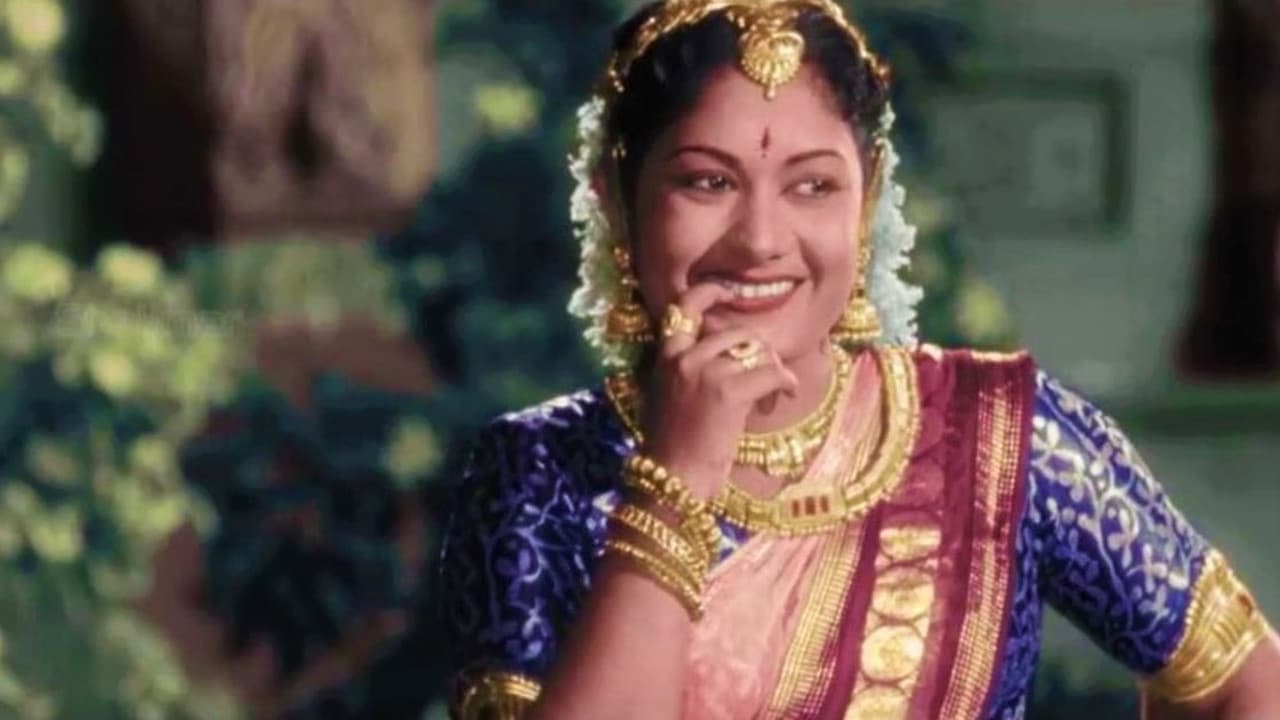
Early Telugu cinema had no single centre. It had two, and they were people. N. T. Rama Rao And Akkineni Nageswara Rao: The Two Pillars Of Early Tollywood is not just a phrase that film writers reach for out of habit. It describes how an industry with little money and no great infrastructure of its own organised itself around two performers who between them seemed to cover everything an audience could want from a screen.
Both men began working in the 1950s. Both stayed near the top for decades. That kind of longevity is rare in any film industry anywhere. Most leading performers get a run of years and then the phone stops ringing. These two did not stop.
A word on the names first, because a reader following Telugu cinema from outside India will meet the short forms everywhere. N. T. Rama Rao is almost always written as NTR, and Akkineni Nageswara Rao as ANR. The industry itself is commonly called Tollywood in English-language writing, a blend of Telugu and Hollywood that has stuck.
One more piece of background helps. In its early decades, Telugu cinema was largely made in Madras, now Chennai. That was where the studios, the laboratories and the trained technicians were. A producer in Andhra Pradesh travelled to Madras to make a Telugu film. That arrangement shaped everything about how the industry worked, and it shaped what the two pillars eventually built.
The Two Poles of a Young Industry
One screen, two kinds of hero
The reason a young industry could run on two names is that the two names were doing different jobs.
NTR is remembered for mythological and heroic parts. These are roles that ask an actor to carry a story older than cinema itself, drawn from the epics, and to make an audience believe in it. That is a particular kind of physical and vocal discipline, and it made him the natural choice whenever a film needed a god, a king or a warrior at its centre.
ANR is remembered for romantic and social drama. His territory was the present tense: families, courtship, the worries and compromises of middle-class life. Where NTR's films reached backward into myth, ANR's films looked at the street outside the theatre.
For a reader abroad, the crucial point is this. The two men were not rivals dividing an audience between them. They were two halves of what the audience wanted. The pairing is a convenience of film history writing, a way of organising a crowded period, not a record of conflict. Audiences went to both. Families watched both.
Why the pairing still matters
It matters because it explains how a small industry with limited capital could hold a very large audience. Two performers with clearly different strengths meant a steady supply of films for viewers who wanted either a myth or a marriage. That range is what kept Telugu cinema's home audience loyal while the industry itself was still borrowing floors in another state.
Leaving Madras: How the Industry Moved Home
The pull of a home state
The move from Madras-based production to Hyderabad-based production was structural, not a single event. A state with its own language and its own vast audience eventually wanted its own floors, its own equipment and its own crews. Land, capital and political attention in Andhra Pradesh made Hyderabad viable as a production base. It is tempting to point at one film or one year as the turning point. That would be tidy and wrong. The shift happened over a long stretch, as each new facility made the next one easier. For a broader view of how Indian film industries built their own infrastructure, the Encyclopaedia Britannica entry on Indian cinema is a useful starting point.
Annapurna Studios and the studio as institution
ANR founded Annapurna Studios in Hyderabad. This is the clearest example of an actor investing in permanent infrastructure rather than only in films.
A studio gives a film industry something a hit cannot: stages, equipment and a place to work that outlives any one production. A hit pays for a house. A studio builds a street. Readers outside India will recognise the pattern from other film cities, where a leading performer becomes, in effect, a landlord of the industry itself, renting out the means of production to everyone else.
Two Families, One Industry
NTR's second career
NTR left cinema for politics and became Chief Minister of Andhra Pradesh. That is the plain fact, and it is worth putting without embellishment.