Six weeks after its October 9 release, Mayookha has settled into that rare space reserved for films that refuse to leave the conversation. Srikanth Kandragula's Telugu thriller, running 131 minutes, arrived with little of the usual fanfare that surrounds big-ticket Tollywood outings. What it has done since is quietly remarkable: a TMDb rating sitting at 9/10, sustained chatter among thriller enthusiasts, and a growing sense that this is the film people will point to when they talk about how the genre changed shape in 2026.
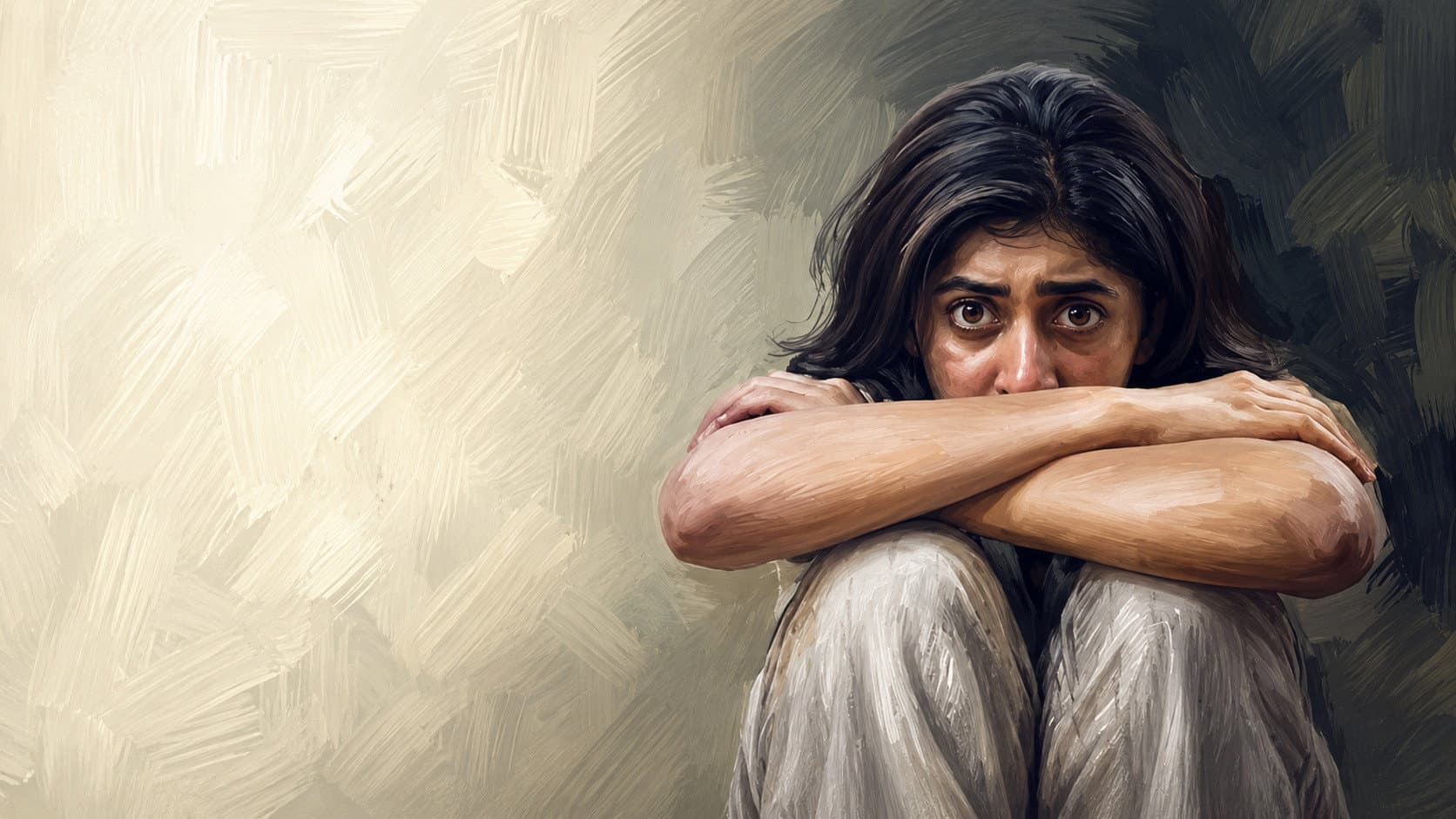
The premise is simple enough to fit on a poster, and that is precisely its strength. Mayookha, played with striking restraint by Payal Chengappa, is a young professional living alone in an unnamed urban city. Her life is ordinary, structured, unremarkable. Then a string of brutal murders targeting single women begins to unnerve the city, and the ordinary starts to curdle. Strange occurrences surface around her apartment. A noise that should not be there. A feeling of being watched. Slowly, then all at once, she becomes convinced she is the next target.
What Kandragula does with that setup is the reason Mayookha has earned its following. The director has spoken about how the film grew out of an observation - that the modern city, for all its density, can be profoundly isolating, particularly for women who live alone. "The scariest thing about a city is not the darkness outside," he said in a recent conversation about the film. "It is how easily you can disappear inside the crowd." That idea pulses beneath every frame. The film's urban landscape is never merely a backdrop; it is a character, by turns indifferent and menacing.
Chengappa's performance carries the weight of that vision. Mayookha is not a conventional thriller protagonist. She does not turn into an action heroine, nor does she spend the runtime trembling in a corner. Instead, Chengappa plays her as someone whose intelligence becomes both her weapon and her burden - a woman who notices everything and can trust almost none of it. The actress has described the part as demanding a kind of "quiet panic," and that phrasing captures the performance well: fear that simmers rather than explodes, held behind a composed face while the world around her grows increasingly wrong.
The film's sound design has drawn particular attention from those who have watched it multiple times. Kandragula and his team treat audio as a primary storytelling instrument, so that a dripping tap or a lift door closing two floors away acquires an almost unbearable significance. Viewers have described leaving the theatre hyper-aware of the sounds of their own homes - which, for a thriller, is about the highest compliment available.
There is also the question of what Mayookha does not show. The murders are brutal by all accounts, yet the camera frequently turns away at the crucial moment, leaving the audience to complete the picture. It is an old technique, but deployed here with unusual discipline. Kandragula has said he was more interested in what fear does to a person than in the violence that provokes it. "Blood is easy," he remarked. "The mind before the blood - that is where the work is."
The supporting cast and the film's sense of place have added texture to the central performance, with early viewers noting how the apartment complex itself - corridors, stairwells, the particular loneliness of a lit window at 2 a.m. - becomes a labyrinth that Mayookha must navigate with growing suspicion of everyone she passes. The city is never named, a choice that lends the story an unsettling universality. This could be any metropolis. It could be yours.
Six weeks on, Mayookha continues to find new audiences, carried largely by word of mouth rather than spectacle. In an industry often measured by opening weekends, its enduring presence is a reminder that some films build their reputation slowly, one unsettled viewer at a time. For Chengappa, it marks a role that will be difficult to follow. For Kandragula, it confirms a filmmaker with an instinct for the spaces between frights - and for the quiet, creeping dread of a locked door that suddenly does not feel locked enough.