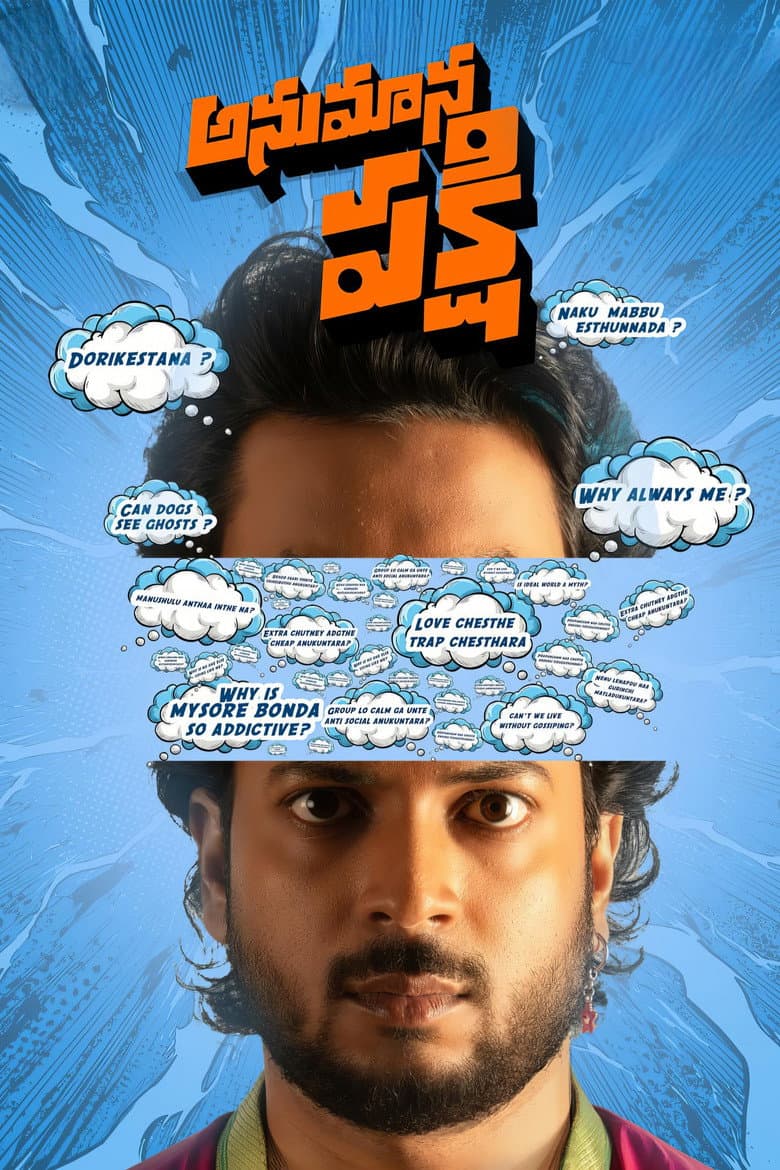
A Telugu film opens in Hyderabad. Within weeks, sometimes on the same day, it is playing in Chennai, Mumbai or Dallas. The version those audiences watch is almost never the one the director signed off on. It is a rebuilt object: new dialogue, a new voice carrying it, a new sound mix holding it together, and often a new promotional campaign selling it.
For readers who follow Tollywood from outside Andhra Pradesh and Telangana, this process explains more than anything else why a film can feel different from the way it was described by someone who saw it in Telugu. Understanding how a dub is made explains most of what shows up on screen.
The Mechanics of a Dubbed Telugu Film
The word "dub" covers a lot of ground. It helps to separate the finished product from the work behind it. A dubbed version is not a translation laid over the original audio. It is a rebuilt soundtrack, assembled in stages by people with distinct jobs.
Writing for the lip, not the page
A dubbing script is written to fit the shape of the original performance. The writer works from the Telugu dialogue and the picture together, counting syllables and watching mouth movements so the new line lands when the old one did. A literal translation of a Telugu line can run three words longer than the actor's mouth allows. So the adaptor rewrites rather than translates. Meaning is preserved, phrasing is not.
This is why a dubbed line can read oddly on paper and sound entirely natural in the theatre. The page is not the test. The only test that matters is whether the words sit inside the performance without the viewer noticing the seam.
The voices behind the voices
Dubbing artists in the Telugu industry build careers out of consistency. One performer often voices the same lead actor across many films, so audiences abroad come to associate a particular voice with a particular face. This is deliberate. A familiar voice carries the same emotional shorthand as the original, and a mismatch is noticed immediately.
The work is technically demanding. The artist performs to picture, matching breath, pause and emphasis, usually with the original track playing quietly underneath as a guide. It is closer to singing along with a recording than to reading lines in a studio.
A separate mix and a separate campaign
Once the dialogue is recorded, the dub gets its own sound mix. Music and effects are rebalanced around the new vocal track, since dubbed dialogue will not sit at the same level as the original.
Promotional material is cut again too. A trailer assembled for a Tamil or Hindi audience uses the dubbed audio, and may lead with different scenes depending on what that market responds to. The film is the same. The sales pitch is not.
Planned Together or Added Later
Timing decides how well a dub turns out, and there are two clear routes. The distinction matters more than most viewers realise, because it shapes everything from the quality of the lip-sync to how many people ever hear about the film.
The simultaneous release
When a film is designed for multiple languages from the start, the dubbing runs alongside production. Writers, voice artists and mixers work while the film is still being finished, and every version arrives on the same day. This costs more and takes planning, but the versions are made as equals.
It also changes the film itself. Scenes that will not translate are adjusted before shooting. Songs are written with the dubbed versions in mind, so a lyric that works in Telugu is composed alongside its counterparts rather than retrofitted around them.
The dub arranged after release
A dub commissioned after a film has already opened in Telugu is a different exercise. The film is locked, so nothing can be changed to suit another language. The team works to a fixed picture and a compressed schedule. There is also no shared release moment: the dubbed version reaches its audience on its own terms, often with little of the original promotional push behind it.
Why the two perform differently
A planned multi-language release builds its audience in advance. Marketing runs in every language at once, and viewers in other states know the film exists before it opens. A later dub depends on word of mouth travelling first. It can still find a large audience, particularly when the original has been widely discussed, but it starts from behind.
The gap is rarely about quality. It is about how much room the makers had to prepare. The Indian film industry's own trade bodies have long tracked how release strategy shapes reach, and the pattern holds across languages.